
Judge Says Trump's Clampdown on Anthropic Violates the First Amendment
A judge ruled the Pentagon's supply chain risk designation of Anthropic was an unlawful, “arbitrary,” and “capricious” decision made to punish Anthropic.


A judge ruled the Pentagon's supply chain risk designation of Anthropic was an unlawful, “arbitrary,” and “capricious” decision made to punish Anthropic.

What the simultaneous revolts against Flock and data centers can tell us about the power and risks of populism

Musk's X Corp., along with other social media companies operating in the state, must disclose whether and how it defines hate speech and disinformation.

Civil liberties advocates warn that Americans’ privacy and surveillance concerns won’t be solved without strong legal protections.

The tentacles of the Trump administration’s domestic spying apparatus are being revealed—and their reach is alarming.
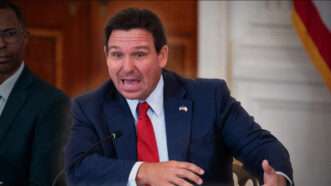
Florida police departments have been adding drones, facial recognition technology, and license plate readers to their arsenals for years.

The State Department doesn’t accuse Autistici/Inventati of doing anything more than providing "untraceable" email accounts. But that’s enough to outlaw it as a terrorist organization.

In a federal lawsuit, Byron Prophet argues that police supervisors "turned a blind eye" for years as Gerald Goines framed innocent people.
"The characteristics of the school as a place of learning reinforce that administrators cannot favor one side of a debate involving parental speech on an issue of prominent public concern, and which, in those parents' views, concerned the safety of their children."
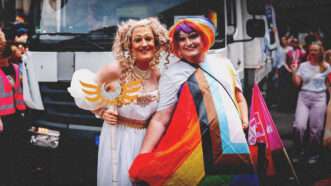
A Texas law restricting “sexually oriented performances” was struck down after a federal judge said it could apply to everything from cheerleading to karaoke to performances by Dolly Parton, Elvis Presley, and Miley Cyrus.

A federal judge sided with the Florida International University students who sued over their school's student expression policy.
According to the Gun Control Lobbies, Everything, Including Prohibition
A police investigation had "verified that Plaintiffs' weapons were secured in a safe and that their daughter did not have access to them."

Sometimes direct action is the only way to get politicians to consider civil liberties.
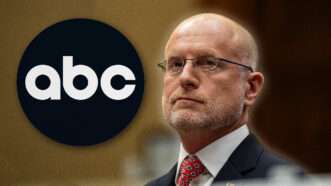
The FCC chairman is punishing the network for news coverage and programming decisions that offend the president.

ICE's standards say these cells shouldn't be used to confine people for more than 12 hours. But that's not how it works in Miramar, Florida.
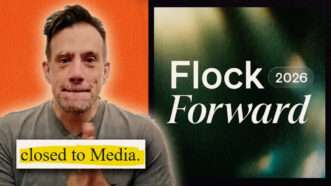
Benn Jordan wants the snoopers to be “a little unsettled.”
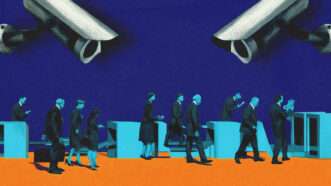
The U.S. government responded in ways that are so integrated into daily life that we no longer recognize them.

Taxpayers shouldn’t have to pay for the royal family’s security, but British law prevents them from paying for armed security themselves.
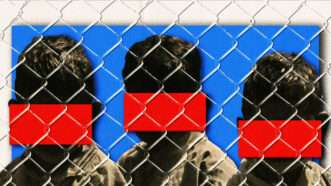
Trump's mass immigration campaign is leaving migrant children alone to navigate a complicated immigration system that was once meant to protect them.
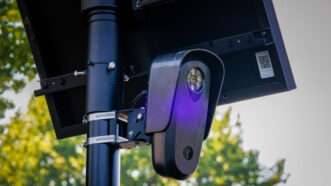
"If there are Flock cameras in your city, they are tracking, logging and sharing your movements without a warrant," warns the ACLU.

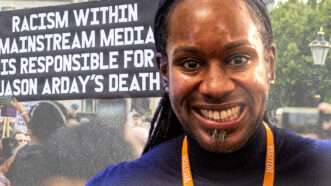
Politicians respond to tragedy by demanding more regulation of journalism.

Robby Soave and Christian Britschgi take on press restrictions, the war on drugs, Flock cameras, data centers, dating, punk rock, and why war is still bad, actually.

It's not existential dread about the internet.
Celebrate your independence with a subscription to Reason magazine, your most trusted source of honest, insightful news and analysis.




