
Divided Government Is Good. In 2023, Bipartisanship Would Be Better.
From immigration to drug reform, there is plenty of potential for productive compromise.

From immigration to drug reform, there is plenty of potential for productive compromise.

The Network State author and serial entrepreneur on the future of freedom, online and offline.

The Network State author and serial entrepreneur on the future of freedom, online and offline.
The Department of Education has no idea how to project the costs of its own programs, and Biden's student loan forgiveness plan will be no exception.
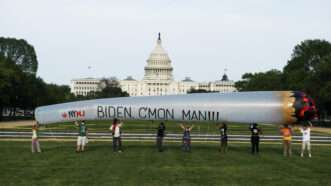
Plus: The editors wade into the conversation surrounding the modern dilemmas men face.

No new, interesting, or helpful food policies are coming from this administration.
Even reduced immigration and job openings for miles aren't luring America's ever-growing workforce dropouts back in.
Warnings of inflation and rising interest rates have long been tied to high and rising debt levels.
His administration has expanded deficits by $400 billion more than expected, even before we count recent spending.
Saudi Arabia snubs Biden by advocating OPEC cut oil production by 2 million barrels per day.
No, a big storm does not require big government.
Businesses are all in favor of competition, tax cuts, and deregulation only until they aren't—meaning only until subsidies might benefit them.

The EconTalk host and Wild Problems author talks about the limits of cost-benefit analyses.
According to a new report for the Congressional Budget Office, student loan debt forgiveness will likely completely wipe out gains made by the Inflation Reduction Act—and then some.

Plus: FIRE teams up with Ice-T, self-preferencing shouldn't be an antitrust offense, and more...
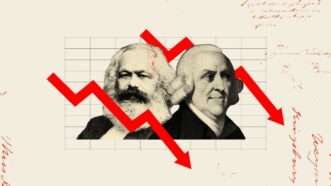
Many Americans don’t seem to like any economic systems, and they’re no closer to agreement.

An emphasis on corruption and enforcement downplays the very real influence of regulation and taxes on California's booming black market.

Democrats pander to immigrants but do little to liberalize the system. Meanwhile, Republicans' hostility to immigrants has increased.
So much for the idea that low interest rates meant the government could borrow endlessly with no consequences.
The current franchise dealership model does not benefit consumers. It also may not benefit dealerships.

Plus: The editors have gripes with Biden’s recent interview on 60 Minutes.
Lincoln's wartime governance had dire, and longstanding, economic consequences.

The narrowly averted strike would have been an economic catastrophe. The story of how we reached the brink of that disaster is an illustrative one.

This fiscal irresponsibility throws gasoline on the country's already raging inflation fire.
The state's $9.5 billion Better for Families program will provide checks of up to $1,050 to state residents to stem the rising costs of living.

Some conservative media outlets and politicians lambast the practice. But if you care about public safety, that opposition doesn't make sense.
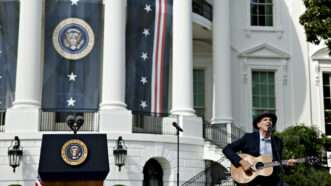
James Taylor croons while the stock market burns after another ugly report on inflation.

The cost of shelter was up 0.7 percent in August and 6.2 percent for the year, according to the latest Consumer Price Index report.
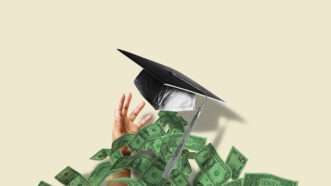
In six states, accepting student loan forgiveness is likely to result in an increased tax bill.
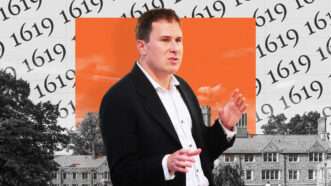
Libertarian History/Philosophy
Intellectual watchdog Phil Magness talks Nikole Hannah-Jones, Nancy MacLean, Hans-Hermann Hoppe, and Kevin Kruse.

Even as gas prices continued to tumble, rising prices for food and housing pushed inflation higher in August and proved that prices aren't cooling off yet.
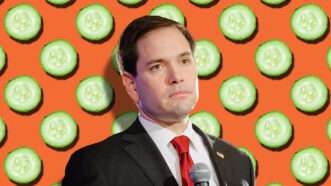
The senator from Florida calls for tariffs on imported fruits and vegetables.
Plus: The Virginia Libertarian Party dissolves, San Franciso decriminalizes psychedelic plants, and more...

As American politicians turn against economic openness, history suggests the consequences could be dire.

After a whole year of COVID-related learning loss, kids are now losing out on even more instructional time thanks to Seattle's teachers union.
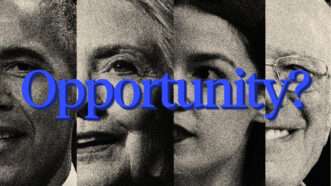
Government should not penalize investment, thwart competition, discourage innovation and work, or obstruct production.

During his own inflation crisis, President Ford called on the American public to do their part through personal fiscal discipline.

The host of EconTalk and author of Wild Problems says our biggest decisions don't submit to easy cost-benefit analyses.
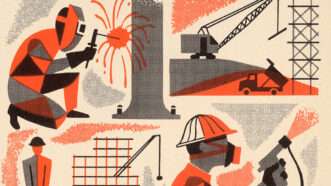
Who does he think ultimately pays those taxes?

"One of the things that the left and right have in common is an awareness that our government has essentially been co-opted by corporate power," says the Pulitzer Prize–winning journalist.
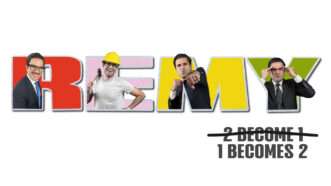

Where have we heard before about government councils dictating terms to nominally private enterprise?
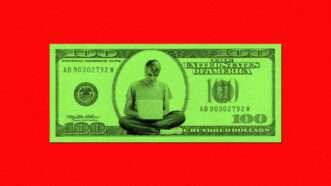
From student debt cancellation to green subsidies, the White House is giving handouts paid for by hardworking lower-wage Americans.
In Return of the Artisan, anthropologist Grant McCracken explains how we've shifted from an industrial to a handmade economy.

Unionization helps some. But it hurts more.
Alas, the Russians never forgave him.
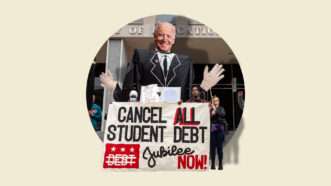
Plus: The editors field a listener question on abortion.
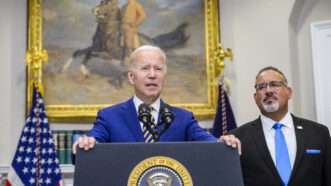
The proper response to one failed bailout is not another bailout of a different group.
Celebrate your independence with a subscription to Reason magazine, your most trusted source of honest, insightful news and analysis.




