
Is Stephen Breyer About To Retire? His Clerk-Hiring Spree Suggests Otherwise.
Progressive activists are pushing the 82-year-old justice to step down.


Progressive activists are pushing the 82-year-old justice to step down.
Plus: U.S. will finally withdraw troops from Afghanistan, Mastercard caves to religious groups on porn, and more...

The Supreme Court reaffirms that COVID-19 regulations must comply with the First Amendment.

The majority reminds the 9th Circuit that the First Amendment puts limits on COVID-19 policies.
Drawn from William Eskridge and Christopher Riano's comprehensive new book on the subject.
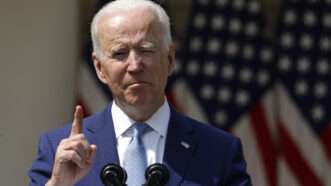
The Presidential Commission on the Supreme Court of the United States will examine “the membership and size of the Court.”
It's a genuinely bipartisan and cross-ideological group. And one that isn't good news for advocates of court-packing.
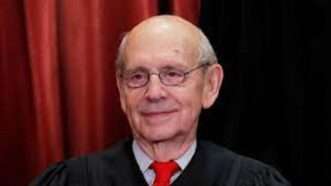
In this he echoes a number of other liberals, including the late Justice Ruth Bader Ginsburg.
A liberal justice throws cold water on a pet progressive cause
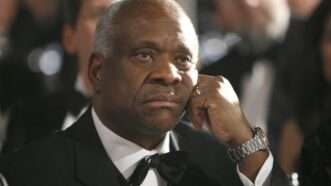
A moot case about Trump blocking tweets leads to concerns that tech companies have too much control over speech.
Today's grant of certiorari in Brown v. Davenport suggests we will see yet another Supreme Court reversal of a Sixth Circuit grant of a habeas petition.
While overturning Roe v. Wade would lead to new restrictions in many states, legal access to abortion would be unaffected in most of the country.
This morning's summary reversal of a habeas petition grant in Mays v. Hines.
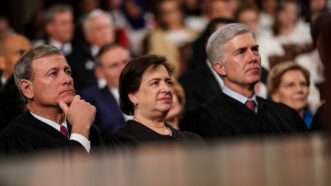
"The application of physical force to the body with the intent to restrain is a seizure, even if the person does not submit and is not subdued."
In two decisions today, Chief Justice Roberts and Justice Kavanaugh aligned with the Court's liberals.
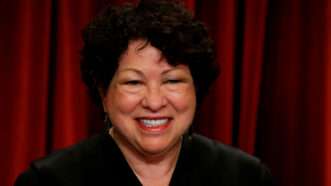
“There was no immediate danger,” Sotomayor said, yet the police “decided on their own to go in and seize the gun.”

According to the dissent, the appeals court "has decided that the Second Amendment does not mean what it says."
My article considers the implications of a major takings case currently before the Supreme Court.
In this post, I consider some additional issues that came up in the recent Supreme Court oral argument in an important takings case.
The Court seems likely to rule in favor of property rights in Cedar Point Nursery v. Hassid.
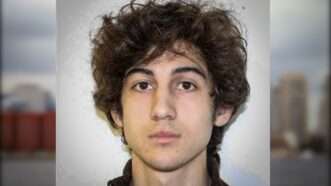
President Joe Biden campaigned on ending the federal death penalty, but he’s been quiet about it since taking office.
Another way to understand what originalists are doing.
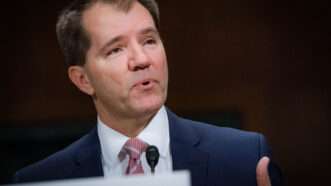
A federal judge protests the Supreme Court’s “rights-without-remedies” Bivens doctrine.

Experts disagree on whether this is likely or not. The answer remains unclear. But, either way, reform advocates should pursue both litigation and legislative reform. The two approaches are mutually reinforcing, not mutually exclusive.
Presenting an alternative view as a minority witness before the Senate Judiciary Committee.

The Supreme Court delivers another blow to a victim of egregious police abuse.
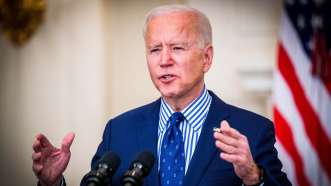
The federal government weighs in on Mahanoy Area School District v. B.L..
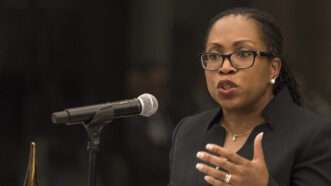
Judge Ketanji Brown Jackson denied qualified immunity to the officers involved in Patterson v. United States.
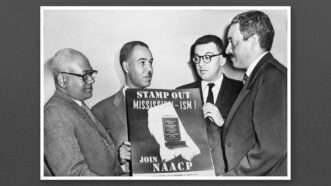
A broad coalition of groups is asking the Supreme Court to overturn the state's policy.
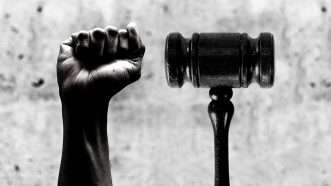
More criminal defense lawyers, public defenders, and civil rights litigators may soon be appointed to the federal bench.
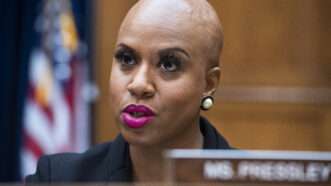
The Ending Qualified Immunity Act of 2021 would no longer let state actors violate your rights without consequence.

A phone in your pocket may as well be a GPS beacon strapped to your ankle.

The justices did not address one of James King's key arguments, which the 6th Circuit will now consider.
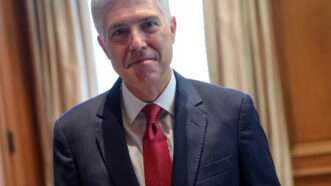
The justice weighs in during oral arguments in Lange v. California.

They need not wait for the Supreme Court or Congress to restrict or abolish qualified immunity.
An encouraging sign from the Supreme Court
Thomas is right that the doctrine is a mess. But the Court may not be in any hurry to clean it up.
Justice Thomas dissented from denial of certiorari by himself to urge a revamp of Takings Clause jurisprudence.

Vague laws are typically vague for a reason.
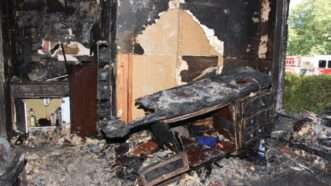
The appeals court concluded that the officers' use of force was reasonable in the circumstances.
The unfolding legal saga of City of Hayward v. Stoddard-Nunez

Abrasive, tasteless, and uncompromising, Flynt undoubtedly made the world safer for speech of all varieties.
Does the Fourth Amendment right to be free from unreasonable seizures include the right to be free from an unreasonable attempted seizure?
With Justice Barrett joining Justice Kagan, does Dunn v. Smith represent a shift on the Court?
The panelists included Joshua Braver (University of Wisconsin), Tom Jipping (Heritage Foundation), and myself.
The plaintiffs in Juliana v. United States may now file a petition for certiorari. They should be careful what they wish for.
The Department of Justice is now willing to defend the constitutionality of the Affordable Care Act and the severability of the penalty-less mandate.
The newest justice makes her debut in a brief concurrence on the shadow docket.
Celebrate your independence with a subscription to Reason magazine, your most trusted source of honest, insightful news and analysis.




