
Congress Must Vote on Tariffs
For both practical and constitutional reasons, this is the obvious way out of the chaos Trump's tariffs have created.

For both practical and constitutional reasons, this is the obvious way out of the chaos Trump's tariffs have created.
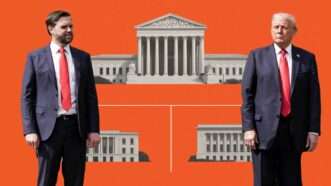
The federal courts are supposed to be a bulwark against presidential overreach, not a rubber stamp.
It explains how the ruling is a win for separation of powers and the rule of law.
The Wall Street Journal, CBC, and Time published good articles on the story behind the case filed by the Liberty Justice Center and myself.
Some of the more informative interviews I have done about our win in the case against Trump's tariffs, in lawsuit filed by the Liberty Justice Center and myself.
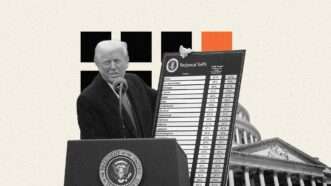
The decision by Judge Rudolph Contreras of the US District Court for the District Columbia holds IEEPA doesn't authorize the president to impose tariffs at all.

President Trump is entitled to try to execute his immigration policy. He is not entitled, however, to violate the Constitution.

No. One of the judges in Wednesday's unanimous ruling was a Trump appointee, and the ruling rested on important legal and constitutional principles.

John Moore and Tanner Mansell were convicted of theft after they freed sharks they erroneously thought had been caught illegally.

The Court of International Trade just issued a decision striking down Trump's "Liberation Day" tariffs and other IEEPA tariffs.
The Court of International Trade ruled that Trump's emergency economic powers do not include the authority to impose tariffs on nearly all imports.
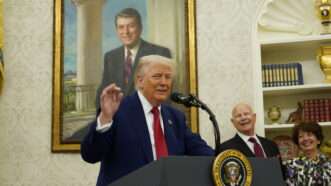
The president's crusade against attorneys whose work offends him, which defies the First Amendment and undermines the right to counsel, has provoked several judicial rebukes.
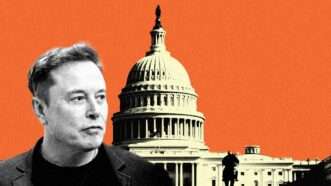
Musk's opinion about the bill matters, since he is one of the few people in conservative politics who can get away with defying Trump.
Plus: Punk rock comptroller, dunking on Pete Hegseth, France embraces Canadian health care, and more...
The Supreme Court very strongly hinted that it will overrule, or greatly narrow, Humphrey's Executor v. United States (1935).
I spoke along with my Cato colleague Walter Olson.

Scott Jenkins was convicted of engaging in cartoonish levels of corruption. If the rule of law only applies to the little guy, then it isn't worth much.

Giving the Defense Department even more taxpayer money is a recipe for waste, not security.

The next generation of online platforms is being shaped less by engineers and entrepreneurs and more by regulators and courts—and they’re very bad at it.
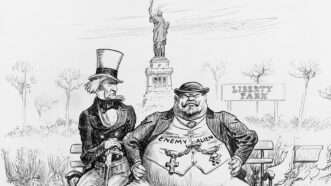
Father of the Constitution James Madison made a distinction between alien enemies and alien friends.

Legal scholar Rebecca Ingber offers some strong arguments against deference in this context.

Like that in the similar case filed by Liberty Justice Center and myself, this one indicated judicial skepticism of Trump's claims to virtually unlimited power to impose tariffs.

Two decades after Granholm v. Heald was supposed to end protectionist shipping laws, states and lower courts continue to undermine the decision.

Are human courts the best venue to protect wild animals?

The vast majority of keys on the market contain more lead than is allowed by the state's strict new heavy metal standards.
Is it a problem if a provision requires judges to comply with the Federal Rules of Civil Procedure?

Six years after legalizing hemp and its by-products, the state is revising its drug policies and criminalizing products sold by thousands of Texas businesses.

Trump’s firing of a federal agency head may soon spell doom for a New Deal era precedent that limited presidential power.
"Because the Constitution vests the executive power in the President, he may remove without cause executive officers who exercise that power on his behalf, subject to narrow exceptions recognized by our precedents."

Mark Meador thinks the Federal Trade Commission may have the legal right to investigate nonprofits that “advocate for the interests of giant corporations” if they don’t disclose their donors.

Higher debt means lower wages, higher interest rates, and fewer opportunities, says Romina Boccia of the Cato Institute.
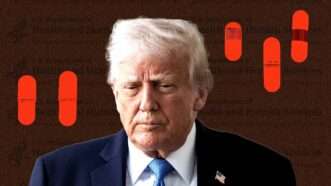
The executive order is likely unconstitutional, but if implemented as written, it would be detrimental to the American health care market.
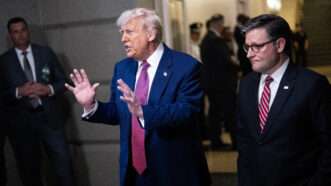
The "one big, beautiful bill" keeps the corporate welfare that Republicans claim to hate.
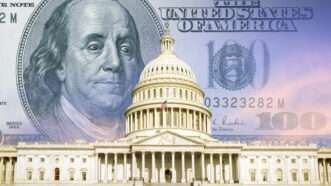
The lesson from the Moody's credit downgrade is that the U.S. cannot borrow its way to prosperity.
I was interviewed by Brittany Lewis of Forbes.

On Monday, the court granted an emergency injunction allowing Rep. Laurel Libby to resume voting and speaking after she was censured for a post criticizing trans women in women's sports.
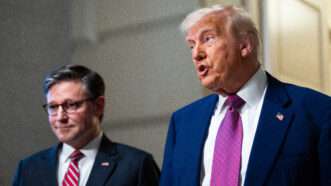
That total could double if temporary provisions in the bill become permanent, as is likely to happen.

A proposed federal moratorium on state-level AI regulations is a necessary step toward a unified strategy that protects innovation and equity alike.

Government schools now spend about $20,000 per student.
The Maine legislature has sought to silence and disenfranchise one of its members due to objections to things she said.
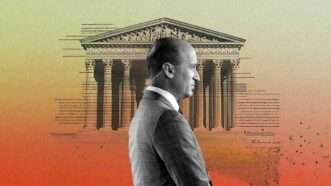
Stephen Miller's trial balloon about abrogating habeas corpus in immigration cases shows how any libertarian with pragmatic intelligence should reject so-called "libertarian" arguments for strict immigration laws.
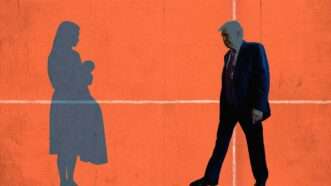
The 1866 debate over birthright citizenship included a debate over immigration.
In a 2-1 ruling, the Court ruled Trump's invocation of the Alien Enemies Act cannot supersede a settlement barring deportation of a group of migrants. One judge also held the AEA was invoked illegally.
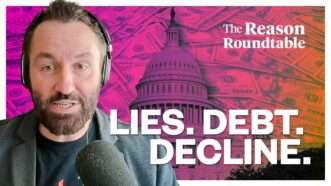
Plus: A listener asks if the economic inequality data is bad.
Celebrate your independence with a subscription to Reason magazine, your most trusted source of honest, insightful news and analysis.




