
Emergency Coronavirus Orders Upheld in Wisconsin, Rejected in Michigan
Plus: Pandemic brings rise in electronic ankle monitoring, a court rules on stimulus checks for incarcerated people, and more...


Plus: Pandemic brings rise in electronic ankle monitoring, a court rules on stimulus checks for incarcerated people, and more...

Enforcement is supposed to be about protecting "consumer welfare." Overturning that goal would be bad for all of us.
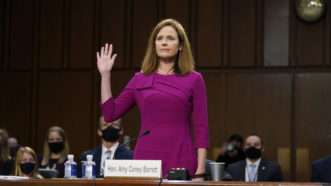
Republicans understandably prepared for attacks on Barrett's faith which thankfully haven't materialized.
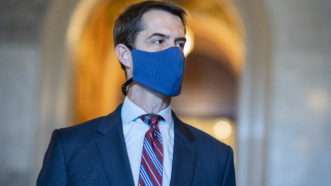
Ricky Dale Harrington is polling at 38 percent in a two-way race against one of the leading voices of the GOP's ascendant authoritarian nationalism.
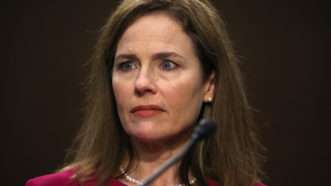
There is little reason to think Barrett would vote to overturn the Affordable Care Act, which in any case seems legally secure.
Plus: $150,000+ in fines in NYC's first weekend of new shutdowns, California ballot-box confusion, and more...
After years of federal fiscal recklessness, is Washington's bill finally coming due?
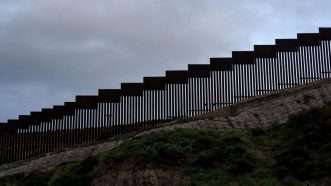
The divided 2-1 decision is the first court of appeals ruling to rule on the legality of a key part of the funding diversion effort.

Mail-in ballots typically take days or sometimes weeks to be counted, so don't expect results on Election Night this year.

Giving one man control of all nuclear weapons is a mistake.
Plus: Tech companies respond, proposed H-1B visa changes, and more...
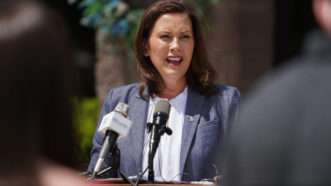
Two courts say COVID-19 lockdowns in Michigan and Pennsylvania were unconstitutional.
The original rules might not be found in the text.
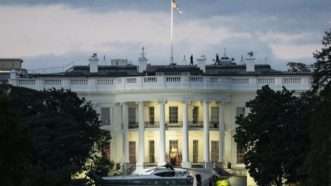
It is an abrupt reversal for Trump, who as recently as Saturday had voiced his support for another stimulus package.
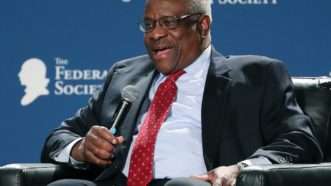
Clarence Thomas and Samuel Alito worry about the future of religious freedom. That’s not the same as a call to overturn the decision.
The Supreme Court decides a decent number of environmental cases, but does not seem particularly interested in environmental concerns.
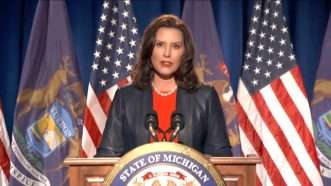
Whitmer helped spark a national debate over the limits of executive power.

Plus: Texas attorney general accused of bribery, Homeland Security wants credit reports on immigration sponsors, and more...
The court concludes that the ban is illegal in large part because the broad authority claimed by the president violates the nondelegation doctrine.
As more senators test positive for COVID-19, the ability of the Senate to conduct business is threatened.
A useful summary of how White Houses are not always forthcoming about medical issues afflicting Presidents.

The former vice president has a long history of reckless responses to the menaces du jour.
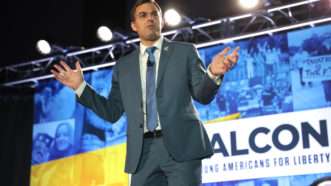
Congress' one Libertarian member cited the counterproductive, free speech-threatening nature of the resolution to explain his "no" vote.
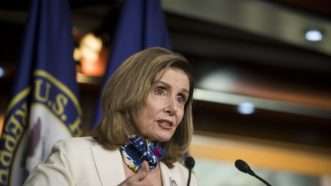
House Democrats are working to extend another round of emergency aid to airlines in a stand-alone bill after the passage of a larger coronavirus relief package stalled in the Senate.
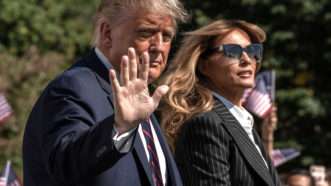
Some possible answers to these questions from leading experts on the subject.

"If it were me, I would certainly put my nominee forth," Jorgensen says. Partisan bickering over the confirmation process is just "politics as usual."

Lindsey Graham just dodged a third-party bullet, but there are a handful of other tossup Senate races where third-party candidates could exceed the major candidates' margin.
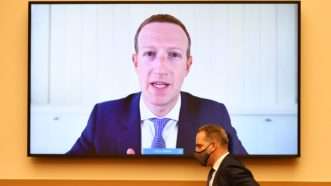
Bipartisanship isn't dead, sadly.
The U.S. tax code should be front and center.

The lawsuits have been filed over the past two weeks by several major American companies, including retailers Target and Home Depot, car manufacturers Tesla and Ford, and several major manufacturing firms.
Renewed wrangling over another relief bill has raised the possibility that Congress will pass sweeping liability protections for businesses accused of contributing to the spread of COVID-19.
Plus: Presidential candidates take the stage tonight, the most-banned books of the last decade, and more...
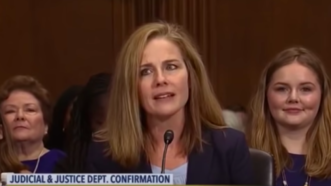
If confirmed, she would cement a strong 6-3 conservative majority.
The opinion was written by prominent conservative Judge David Sentelle.
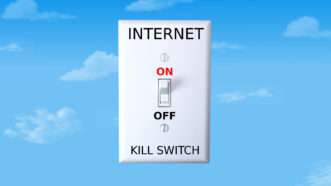
Under the broad terms of a 1934 federal law, the president has the authority to seize emergency control of almost any electronic device in the country.
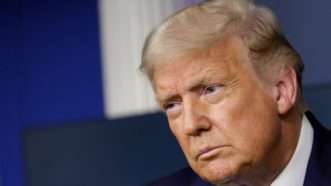
The Trump presidency has been a stress test for maximalist theories of presidential power.
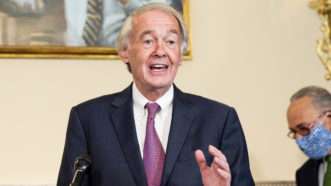
Progressives are promising to get rid of this long-standing check on the power of raw majorities in the Senate just when it would help them the most.

The SCOTUS contender's 2019 dissent will alarm gun control supporters but reassure people who want judges to take this constitutional provision as seriously as others.
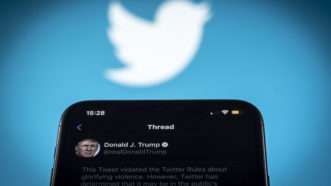
A new DOJ proposal aims to bring the internet communications law in line with Trump's personal interpretation of it.
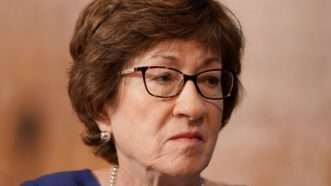
Voting for Libertarian, Green, or independent candidates will not mean “throwing your vote away.”
Plus: House votes to keep funding the government, DHS recalls intelligence reports, Jeff Bezos is starting a preschool, and more...
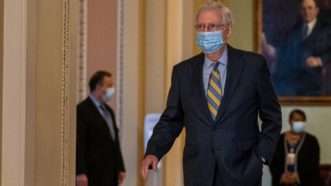
The restrictions imagined by Republicans in 2016 or by Democrats now are nothing but self-serving nonsense.

The Congressional Budget Office warns that higher levels of debt will slow economic growth significantly in the years ahead.

Skyrocketing debt, higher borrowing costs, and a hobbled economy are predicted in the latest Congressional Budget Office report.
Celebrate your independence with a subscription to Reason magazine, your most trusted source of honest, insightful news and analysis.




