
New PBS Documentary Explores the History of Criminal Justice in the U.S.
Crime and Punishment in America tells the story of how America created the modern prison but failed to tame its justice system.

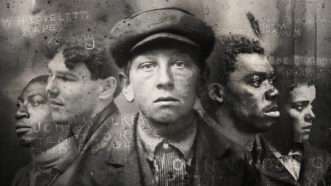
Crime and Punishment in America tells the story of how America created the modern prison but failed to tame its justice system.

David Brouillette’s fatal shooting of a Colombian migrant raises more questions about a rapidly expanding agency’s vetting process.

Immigrants facing poorly vetted agents and a lack of due process are choosing to leave the country on their own terms.

Harold Medina, who T-boned Todd Perchert's Mustang in 2024, was reprimanded for "unsafe driving practices" and failing to activate his body camera after the crash.
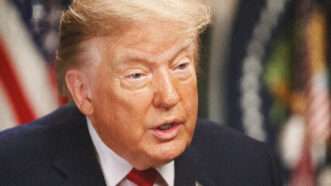
Even while elevating the main architect of that policy, the president worries that "it might be too tough."

A court challenge to an unusual agreement between the Miami-Dade sheriff and a law firm will set Florida law on whether police can pay private lawyers on contingency to litigate civil asset forfeiture cases.
The Supreme Court looks ready to further insulate rights-violating federal officers from facing civil liability.

The first provision might curtail local pot busts, but the second one is unlikely to have a meaningful impact.
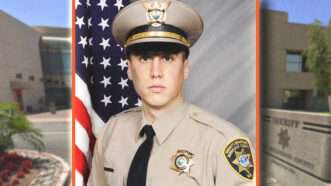
Former sheriff's deputy Paul Jessen was convicted of obstructing justice because he tried to protect a confidential informant from the DEA.
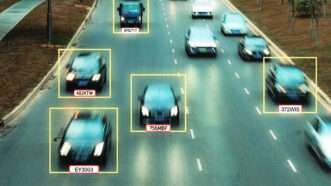
Americans are voting for greater transparency and involvement in whether and how they are monitored, regardless of political ideology.
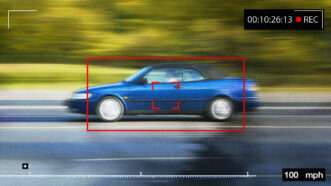
Red-light and speed cameras don’t increase roadway safety and are simply “taxation by citation,” says the Goldwater Institute.
Experts do not think the president’s policies played a major role in that historic decline.

Some members of New York City Council want to implement Zohran Mamdani's vision for a Department of Community Safety. The Minneapolis City Council just voted to end that city's community safety apparatus.
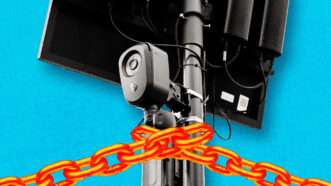
Until recently, the state imposed no limits at all on automated license plate readers, which track the travels of innocent motorists across the country.
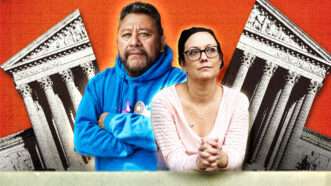
Are innocent people entitled to compensation when their property is ruined by police? That will continue to be an "open question."
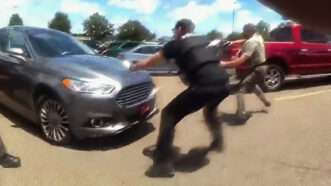
The resignation comes after the release of bodycam footage that raised questions about the police's handling of the incident.
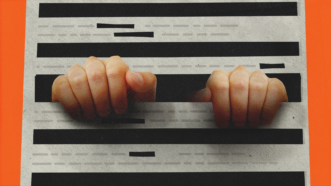
A lawsuit filed by The Marshall Project argues that ICE must disclose the names of immigrant detainees because you can’t check a government that won’t say who it’s holding.
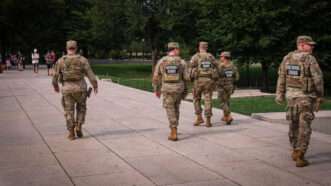
Crime has been dropping nationwide, a trend that started before Trump took office.
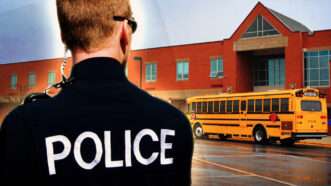
A media investigation found criminal referrals of schoolchildren age 10 to 13 grew as the number of school resource officers in Texas likewise ballooned.
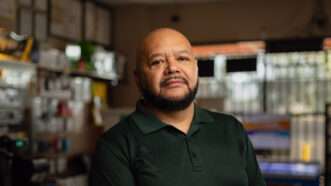
Mario Ayala is seeking the return of his property, which federal agents seized more than a year and a half ago for reasons that remain mysterious.
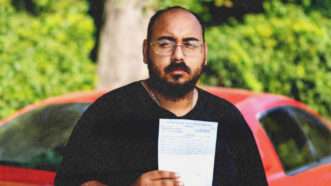
Federal appeals courts rejected qualified immunity for cops and a judge who flouted longstanding constitutional principles.

The state offered little explanation for its finding, and the boy’s family is calling for the bodycam footage.
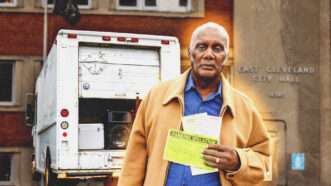
A federal court recently revived William Fambrough's lawsuit, which alleges city officials—including then-Mayor Brandon King—retaliated against him for his speech.
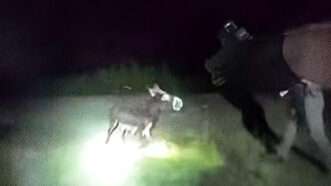
HeeHaw's owner argues that “no reasonable officer…would have believed that such force was necessary or justified.”
The officers could face consequences beyond termination, as prosecutors review whether their past testimony and arrests can still be trusted.
The Ninth Circuit so held yesterday, reaffirming what it had said on a preliminary basis (in deciding on an injunction pending appeal) in April.
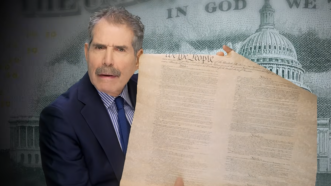
The Supreme Court will soon have a chance to rein in excessive fines.
Car-tracking cameras, like cellphones, generate vast amounts of sensitive data.

The case of George Anibowei, a U.S. citizen who has had his phone searched at least five times at the border, shows just how invasive border agents have become.

Harvard's hometown just adopted a new policy against arresting or prosecuting sex workers. But what the policy means in practice—including for sex buyers—is debatable.
State and federal courts have almost uniformly ruled that searches of ALPR databases do not implicate the Fourth Amendment.
The respondents did not think much of the policies that the president says produced "the largest drop in violent crime in American history."
The automated license plate reader system is “a type of indiscriminate mass surveillance," says a federal judge.
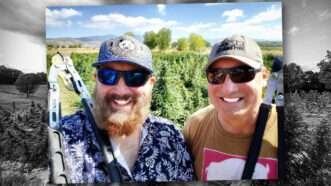
The ruling has major implications for property owners when the government ruins their possessions in the exercise of "police power."
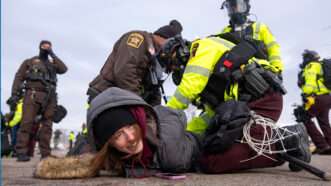
"I think courts are going to be very suspicious of how broad this is," one Minnesota lawyer tells Reason.

Financially motivated traffic enforcement produced a huge surge in revenue for Brookside, Alabama, where "fines and forfeitures" accounted for half the city's income in 2020.
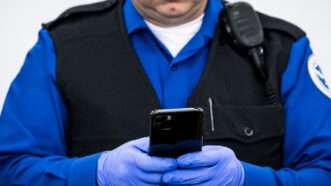
A former assistant state attorney and an immigrant rights activist both had their phones seized, despite having attorney-client privilege. They're suing to protect their data.
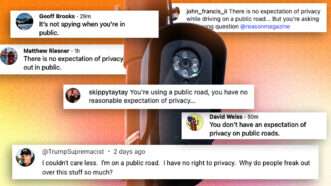
Defenders of Flock-style surveillance systems argue that people “have no reasonable expectation of privacy in public.” They're wrong.
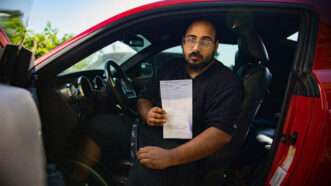
"It is clearly established that an officer cannot pull someone over without reasonable suspicion and thereafter concoct a fabricated traffic violation," the appeals court says.
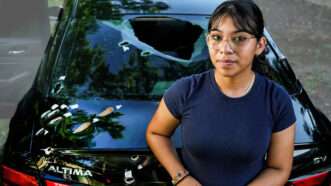
Law enforcement shot bystander Abigail Trujillo's vehicle dozens of times. Her struggle to get help is part of a larger pattern.
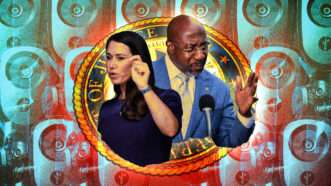
Sens. Raphael Warnock and Katie Britt would seem to have little in common, but they both feel people should have more protection from bad cops with surveillance tech.
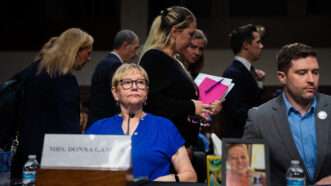
Donna Ganger's heartbreaking testimony to a Senate committee offers a vital insight into the vicious politics of authoritarianism.

It was Flock that led cops to the wrong woman. It was police who ignored the other evidence and jailed her.
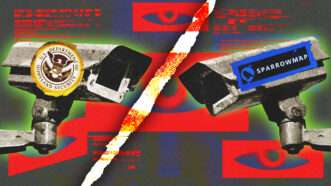
SparrowMap uses volunteer cameras to track the police in the same way police track the public. The government considers it a potential threat.
Gun owners should be paying attention to how police use gunfire microphones in conjunction with license plate cameras.

Cops keep carving out tech exceptions to the Fourth Amendment—and courts are giving them their blessing.

The immigration system has a confusing and opaque approach to foreigners who have done sex work.
Flock has been promoting a recent study of its cameras' impacts on car theft. But the paper didn't demonstrate a causal effect.


New from Reason: a look into what Javier Milei has accomplished and what it will take to make the most of Argentina’s window for real change. Out now for subscribers.