
D.C. May Abolish the Tip Credit—Again. This Time, the Minimum Wage Would Be $25.
Initiative 87 would phase out the tip credit, following two previous attempts that produced bad results for D.C. restaurants.

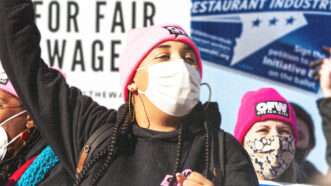
Initiative 87 would phase out the tip credit, following two previous attempts that produced bad results for D.C. restaurants.
I spent an evening at the city's final stand for foie gras before voters decide Initiative 86, which would outlaw its sale. I came away wondering whether ducks and geese are the ones who need saving.
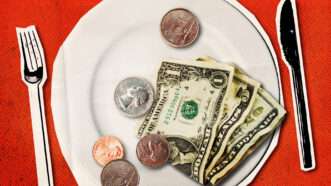
Policymakers across the country are confronting the unfortunate—and predictable—economic results of prohibiting restaurants from paying servers a lower base wage supplemented by tips.

The legislation would eliminate the tip credit for restaurant workers and other tipped employees—which has not worked out well in the past.
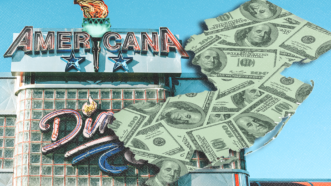
Democratic state lawmakers want to give tax carveouts to certain restaurants. The real problem is New Jersey's tax code itself.

The proposal would eliminate the tipped-wage credit and send labor costs skyrocketing in an industry notorious for its tight margins.
While eliminating the tipped wage may sound like a win on paper for waiters, the results have been disconcerting.

Increased hourly rates corresponded with lower tips and fewer orders to share between drivers, leaving gig workers no better off than they were before the law passed.
Progressive politicians want to ban restaurants from adjusting prices based on demand—even when no one’s actually doing it.
The company's value was plummeting long before it nixed the "Old Timer" from its logo.
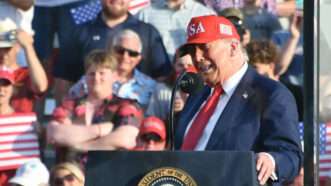
The president is torn between the economic concerns of his supporters and the demands of immigration hardliners.

"I think it just puts a lot of fear in people—especially the hard-working people who are doing nothing wrong."

The issue has long polarized a city that is dominated by liberal and progressive politics and politicians, some of whom have confronted that good intentions do not equal good outcomes here.

The city passed a law cracking down on food delivery companies rather than the reckless drivers creating chaos on sidewalks and streets.


The owner of a famous cocktail bar in Dallas warns that tariffs on Mexican imports will mean higher menu prices and reduced availability of specialty tequila.
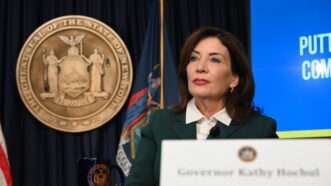
Reselling restaurant reservations helps allocate seats to those who most want them.

What began as a vibrant, organic solution to a crisis has been stifled by overregulation.

The reporting was cited by One Fair Wage as proof that its policy worked.

The tug-of-war over what role the government should play in regulating compensation for tipped workers has subverted typical partisan lines.

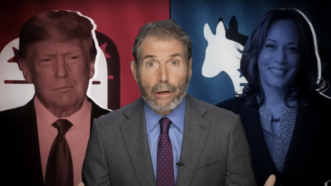
These policies may sound good on paper—but they would be disastrous in reality.

Despite increasing demand, cities across the U.S. are pushing bans on new drive-thru restaurants in the name of reducing traffic and promoting walkability.

Competing visions on tipping policies highlight the differences in the candidates’ approaches to winning over working-class voters—but neither will provide much benefit.

"I've been in the business for 25 years...I never had to increase the amount of pricing that I did this past time in April," one business owner told the A.P.

Proposed legislation mandates folic acid in masa flour, sparking fears among traditional tortilla makers about costs and cultural impact.

Many have seen their hours reduced—or have lost their jobs entirely.

Having someone take your fast-food order on a virtual call may seem strange, but the benefits speak for themselves.

The move comes in response to Reason's reporting about the Pennsylvania Liquor Control Board's push to crack down on licensees for minor violations racked up during the pandemic.

Hiking wages through law is a crowd-pleaser, but it kills employment unless you’re a robot.

Many apps collect data that is then accessed by outside entities. Should you care?


The Arizona Department of Agriculture says all eggs sold must be cage-free, a power that according to the lawsuit belongs to the state legislature.

Higher rates lead to more debt, and more debt begets higher rates, and on and on. Get the picture?

Cities around the country are contemplating bans on drive-thrus and other new regulations.

A Chicago sandwich shop's survival depends on cutting through red tape.

New York politicians got out of the way for once, and something beautiful happened.

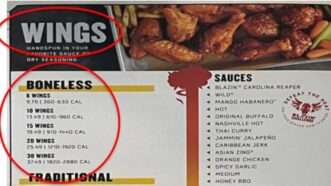
Lawyers representing an allegedly duped Buffalo Wild Wings customer demand that the company disgorge its ill-gotten gains.

In an attempt to create a new banquet license, a bill introduced in Utah would require every restaurant to build a wall that blocks off its private party space from the rest of the establishment.

McDonald's invested in some spiffy new toys, but almost everything else stayed the same.

The L.A. City Council saw a good thing happening and decided government wasn't involved enough.

This fiscal irresponsibility throws gasoline on the country's already raging inflation fire.

The city halted its practice of fining graffitied businesses during the pandemic. But now it's firing up its enforcement machine again.

New rules from the state alcohol control board could grind breweries into insolvency.


New from Reason: a look into what Javier Milei has accomplished and what it will take to make the most of Argentina’s window for real change. Out now for subscribers.

