
Will the Iran War Cost Republicans Control of the Senate?
In several key Senate races, GOP candidates broke against Trump's wildly unpopular war. But only after previously supporting it.

In several key Senate races, GOP candidates broke against Trump's wildly unpopular war. But only after previously supporting it.
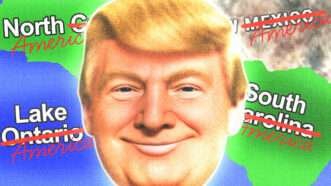
Trump’s quest to rename places may not make us more prosperous. But it’s certainly making America more American in Name Only.

The officers could face consequences beyond termination, as prosecutors review whether their past testimony and arrests can still be trusted.
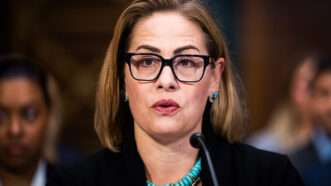
"Alienation of affection" actions like the one Sinema is facing undermine the idea that adults have agency in their romantic and sexual choices.

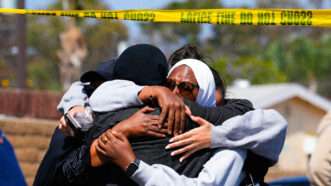
The case smacks of a desire for retribution that cannot be satisfied by prosecuting the actual killers, who committed suicide.
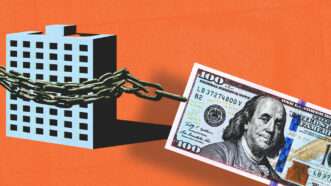
Plus: a win for "housing first" funding in court, zoning reform passes in North Carolina, and Harry Potter NIMBYism.
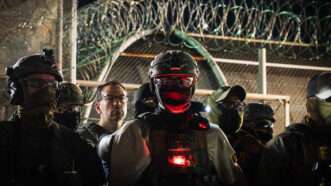
A viral video showed immigration officers uncuffing Fernando Vasquez and then dumping his papers onto the ground before driving off.


Developers rush to use California's new apartments-near-transit law, North Carolina eliminates parking requirements, and the federal housing bill finally becomes law.

Police have arrested at least 15 people in recent years based on bad facial recognition hits.

As data centers dominate public debate, two states reveal their approach. Texas has taken a stance in line with market needs, while North Carolina reacts to fear and bad press.

Another example of the flawed logic behind the Trump administration's tariff policies: You can't make a tire without rubber, and the U.S. doesn't produce rubber.

The case defies more than half a century of rulings on the “true threat” exception to the First Amendment.
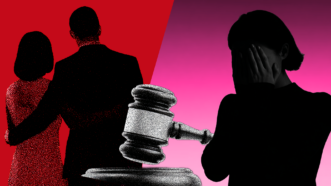
Some states still allow vengeful spouses to sue a third party for destroying their marriages.

Free speech lawyers say UNC violated North Carolina’s institutional neutrality law.

The feds have arrested an Army staffer who spoke to a journalist for a book about special operations. The journalist says it's retaliation for exposing corruption.

If the company refuses, the government may still terminate its lease.


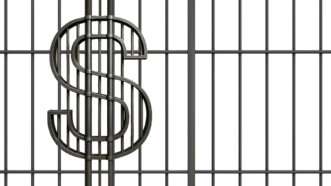
Critics of cash bail say it creates a two-tiered justice system: Those who can pay maintain their freedom, while those unable to pay remain behind bars.

Months after his 7-year-old was struck and killed, prosecutors are still treating a tragedy as a crime—holding a bereaved father under surveillance and keeping the grieving family apart.
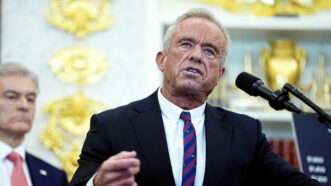
The fight over dietary guidelines is just part of a broader trend: Government at every level wants a say in what Americans eat.

The Trump administration’s urban enforcement push is blurring the line between border control and domestic policing.

A bizarre criminal conspiracy in the ranks of the U.S. Joint Special Operations Command at Fort Bragg

From under the sea to the Rocky Mountains.

Joshua Rohrer's dog, Sunshine, ran away and was later hit and killed by a car.
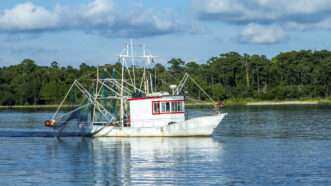
For some restaurants in the state, local shrimp sales account for 90 percent of their revenue.

Letting children walk alone isn’t a crime. But in North Carolina, prosecutors are treating it like one.

Cultivated meat isn't challenging slaughtered meat anytime soon. But states keep trying to restrict competition.

Endangered red wolves became a symbol of federal overreach—and a target for local ire—in eastern North Carolina.


The president’s ban on offshore oil and gas drilling perfectly encapsulates his top-down legacy on energy.

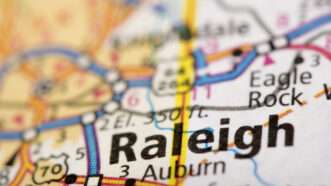
To the bewilderment of many, North Carolina's hurricane relief bill includes the nation's strongest property rights protections against new zoning restrictions.

Plus: Idaho's "abortion trafficking" law can mostly take effect; updates on state age verification suits; the threat the Florida and Texas social media laws pose to X

Blame bad laws, not fraud, for delays in vote counting in some swing states.

The Institute for Justice partners with an independent eye doctor to challenge state regulations that protect hospital monopolies and restrict patient access.

When your opponents are accusing you of trying to subvert democracy, maybe don't suggest that it "makes a lot of sense" to ignore the will of the voters.

Someone did allegedly threaten first responders, but the panic may have done more damage.

The relief effort after Hurricane Helene is powered by private citizens, and volunteers have discovered that it's better to ask forgiveness than permission.

Kate Barr is running for state senate in North Carolina, hoping to raise awareness about the effects of gerrymandering.

The Vice President of the United Cajun Navy, Brian Trascher, discusses effective disaster response and the problems with FEMA.

Due to North Carolina's lack of an anti-SLAPP law, the defendants will have to defend themselves in court.

Plus: Republicans seem likely to blow another winnable race, New York City's COVID czar attended pandemic raves, and more...

Season 2, Episode 3 Health Care
Part Two: How Certificate of Need laws limit access to health care, and why those rules can be so difficult to dislodge.


Season 2, Episode 2 Health Care
Too often, it's government bureaucrats acting under the influence of special interests and against the wishes of doctors and patients, with sometimes tragic results.


New from Reason: a look into what Javier Milei has accomplished and what it will take to make the most of Argentina’s window for real change. Out now for subscribers.

