
Texas' Social Media Law Recycles Left-Wing Media Theory
Forcing private companies to host speech violates the First Amendment.


Forcing private companies to host speech violates the First Amendment.

Reporting that makes Black Lives Matter look bad should not be covered up by social media companies.

An Arkansas police officer used trumped-up charges to punish a man who criticized him for violating the Constitution.


Plus: More evidence against masking schoolchildren, Amazon's no-checkout grocery store, and more...

Professor Jonathan Haidt of NYU and Reason's Robby Soave debate the harms of social media and what the government should do about it.
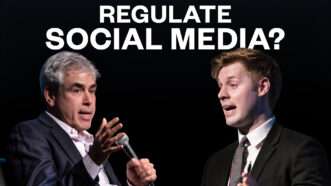
Professor Jonathan Haidt of NYU debates Reason's Robby Soave.
The conservative think tank identifies some genuine concerns about tech companies, but gets the prescription wrong.
Plus: The ERA returns (again), Rep. Nancy Mace's marijuana mission, and more...
Plus: Warren versus grocery stores, Cruz versus the FBI, DOJ's new domestic terror unit, why so many people are quitting their jobs, and more...
Social media accounts are windows into your activities, and the cops are watching.
While this is a problem, it's not one that scrapping Section 230 would solve.
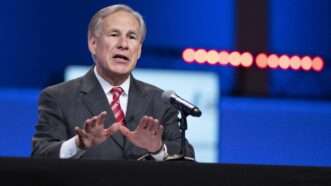
Gov. Greg Abbott attacks First Amendment rights in the name of defending them.
It's true that some users spread lies on social media. But this can’t be solved by partisan “fact-checking."
The latest bill to “fight big tech” could turn your online experience into a miserable slog.
Plus: Much ado about Big Bird, one neat trick for fixing Facebook (do nothing), and more...
Privacy advocates applaud the move.
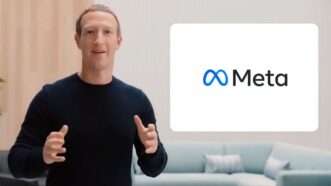
Facebook's rebrand signals that the widely scrutinized company retains lofty ambitions.
A business model where outrage is exploited for clicks describes both social media and the news media.
Plus: Facebook rebrands, McDonald's hikes menu prices, and more...
The mainstream media's fear of Mark Zuckerberg is not supported by the documents.
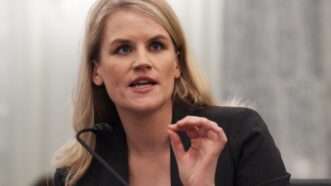
When "protecting users' safety" actually means the opposite
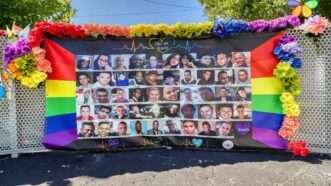
"The plaintiffs failed to make out a plausible claim that the Pulse massacre was an act of 'international terrorism' as that term is defined in the ATA."
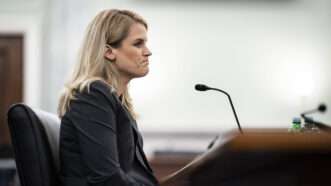
Upstart competitors can’t hope to match the resources required to compile a list of banned individuals and organizations.
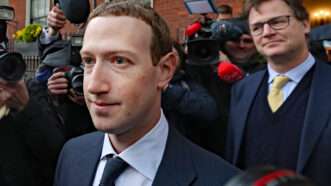
Tech giants expressing openness to amending Section 230 are doing so out of naked self-interest, not the goodness of their hearts.

Patiently waiting for senators and whistleblowers to freak out over this
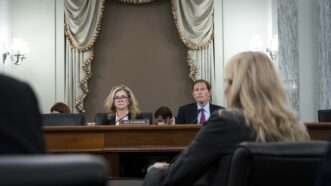
Plus: California can't limit private prisons, Yellen dismisses bank privacy concerns, and more...

"Maybe one billionaire with a penchant for destroying democracies shouldn’t be allowed to own so much of the internet," says the representative from New York.
The site is clearly in trouble and the government doesn't need to step in.
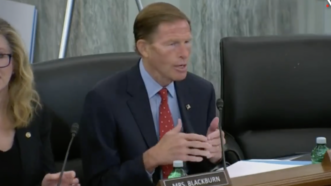
"We don't actually do finsta," Antigone Davis, Facebook's head of security, explained.
This is where government demands to moderate what users say will ultimately lead.

Political polarization drives social media use, rather than the other way around.
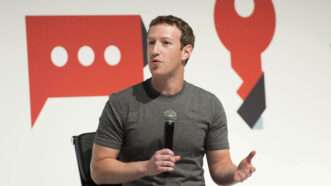
Still, Facebook should not have allowed its VIPs to flout the rules it claimed applied to everyone.
Here’s why Section 230 is so important.
Friday A/V Club: Some people are against concentrated media power. Some just want to bend it to their will.
Big tech platforms should encourage debate, not forbid it.

Plus: Biden won't budge on Afghanistan, the link between cruise ship vaccine passports and free speech, and more...
Online censorship by proxy undermines the ordinary process for checking claims and counterclaims.
Libertarian History/Philosophy
The comedian and podcaster talks about running for the Libertarian Party presidential nomination and his beef with Reason.
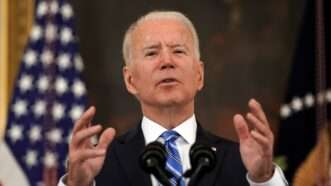
The administration’s public pressure campaign against COVID-19 "misinformation" cannot be reconciled with its avowed respect for freedom of expression.
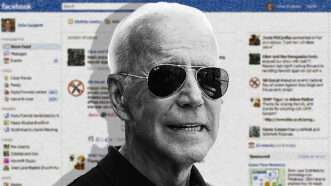
Federal health bureaucrats should stop scapegoating social media.
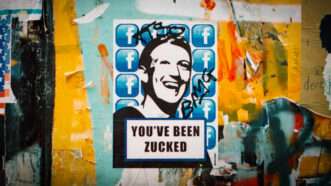
Also, regulation is (still) not the answer to online misinformation.
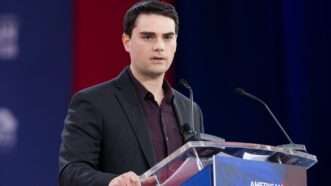
The existence of politically biased websites is not a crisis.

Speech is protected by the First Amendment even when it discourages vaccination.

White House Press Secretary Jen Psaki wants the social media site to ban 12 specific anti-vaccine accounts.
Celebrate your independence with a subscription to Reason magazine, your most trusted source of honest, insightful news and analysis.




