
No, the World Is Not Heading Toward 'Mass Extinction'
Despite an apocalyptic media narrative, the modern era has brought much longer lives and the greatest decline in poverty ever.

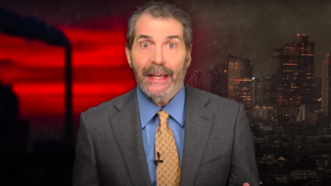
Despite an apocalyptic media narrative, the modern era has brought much longer lives and the greatest decline in poverty ever.

Shipping industry insiders floated a recommendation to charge critics of the Jones Act with treason, according to documents obtained through a Freedom of Information Act request.
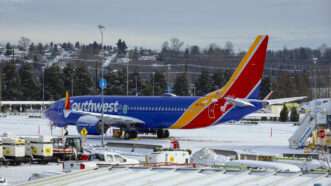
Re-regulating the airline industry won’t help prevent massive service disruptions in the future.
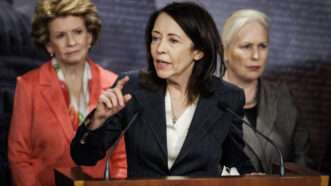
Political criticism of Southwest's mass flight cancelations mask a cronyist relationship between government and the passenger airline industry.
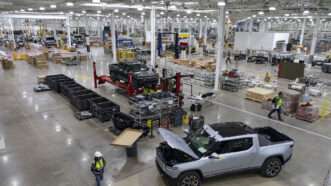
Rivian, an electric truck manufacturer that hopes to compete with Tesla, received a lucrative deal to build a new factory in Georgia despite concerns about its finances.
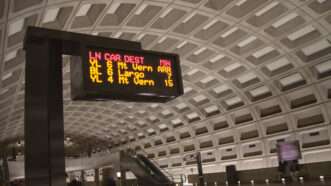
Transit officials and transit-boosting politicians in D.C., L.A., and New York City are warming to the idea of being totally dependent on taxpayer subsidies.


The bill also gives TSA employees the power to collectively bargain, which means more pay raises are likely in the future.

Healthy cities are a boon not just for those who live in them, but for our entire society.

Putting the district's train system back on track will take more than better bureaucracy.
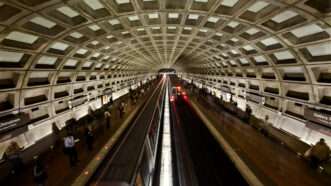
WMATA suspended automated train operations after the deadly 2009 Fort Totten crash. Perennial efforts to bring them back over the past decade have repeatedly fallen through.

State governments already want relief from the "Buy American" mandates included in the bipartisan infrastructure bill.

Until next year's, because capitalism is always making things better.
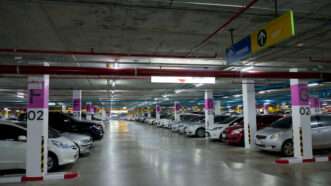
Nashville is the latest city to eliminate minimum parking requirements while simultaneously capping how much parking developers are now allowed to build.
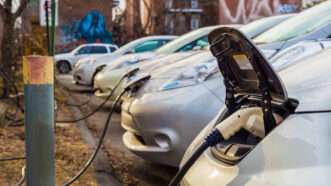
The Buy American program, used to encourage the buying of American made electric vehicles, not only limits access to EVs but risks a trade war with the E.U.

Plus: Pandemic learning loss, German weed legalization, and more...

The New York Times newsroom illustrates what happens when you listen to the New York Times editorial board.
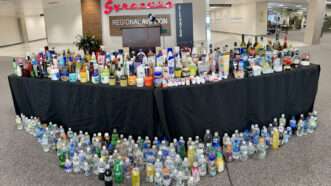
The TSA at Syracuse Hancock International Airport showed off their loot of confiscated items over a three-day period.
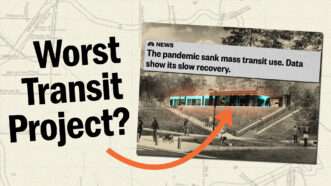
Transit ridership, especially rail, has collapsed post-pandemic, but the Atlanta BeltLine Coalition says now is the time to take federal dollars and build a $2.5 billion streetcar.
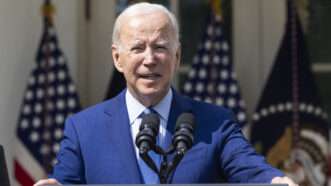
The White House is giving $1.5 billion in INFRA grants to entities that either don't approve new housing or are actively opposed to making it easier to build.

Licensing authorities are penalizing Strong Towns founder Charles Marohn for referring to himself as a professional engineer while his license was briefly expired.

If the Golden State wants to convert to electrical vehicles, it better start embracing nuclear power.
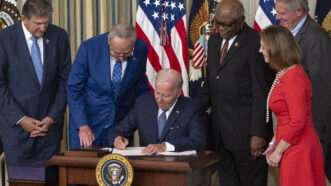
Why should we believe that this boondoggle will produce better results than hundreds of other corporate welfare programs?

A rider advocacy group says the Montreal's transit agency violated its free speech rights by refusing to run ads critical of recent fare hikes.
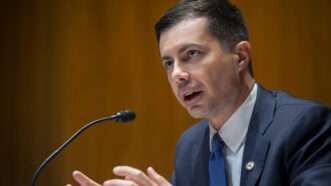
It would signal that the transportation future involves decentralization and rapid change rather than Washington-style command-and-control.

The state's trucking industry fears drivers will quit or work out of state.


Railroads spent a decade and billions of dollars fulfilling a costly federal mandate, at the expense of addressing less eye-catching causes of rail-related deaths.
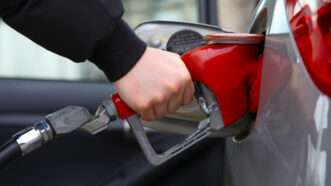
Road maintenance and construction don't suddenly become free because gas hits $5 a gallon.

Research on the effects of Oregon's loosening of its self-service gas ban finds that allowing adults to pump their own gas increases supply and lowers prices.

Politicians overstate the situation, and to the extent there is a problem, it’s their doing.

The administration is encouraging counterproductive "inclusionary zoning" policies that often raise housing prices and reduce supply.

The state's new rules on vulgar vanity plates could amount to unconstitutional viewpoint discrimination.

Plus: Conspiracy theories are undergoing a vibe shift, Florida won't stop attacking private companies, and more...

In criticizing the move, the New York Post got basic economics wrong.

The decision against the rule hinged on whether the agency had the power it asserted.

"We should still have masks on the subway system. New York is unique. We are densely populated," said the mayor at a press conference today.

The White House is making it harder for people to request waivers from cost-increasing Buy America requirements in the $1.2 trillion infrastructure law.

The decision holds that the CDC exceeded its legal authority. But it may be vulnerable to reversal on appeal.

Ridership is dismally depressed and a federal mask mandate for straphangers remains stubbornly in place.

The lawsuit raises some of the same issues as earlier successful challenges against the CDC's eviction moratorium. But, in this case, the federal government has a stronger legal rationale for its policies.

Once again, Washington is giving us every reason to believe it's selling favors to cronies even if it means everyone else loses.
The same agency that brought us security theater continues to enforce a rule that never made sense.

Taxpayers will pay the tab for spruced-up bridges and rebuilt freeways, doubling down on a worrying trend.
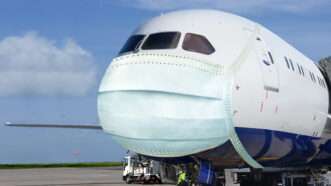
Delta CEO Ed Bastian asked U.S. Attorney General Merrick Garland to create a special no-fly list for passengers convicted of creating onboard disruptions.

Someone should tell Pete Buttigieg that local governments use speed cameras more for revenue than for safety.

While the fatality rate rose substantially in 2020, it remained essentially the same in 2021.
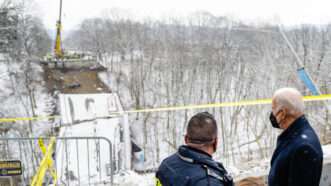
Pennsylvania has one of the nation's highest gas taxes, but those user fees haven't helped fix the state's poor roads and bridges.
Celebrate your independence with a subscription to Reason magazine, your most trusted source of honest, insightful news and analysis.




