
Spermpocalypse Now?
Are human beings about to become extinct due to falling sperm counts?


Princeton Computer Science Professor Michael Freedman on why scaling this blockchain-based computing platform will be so difficult.
Dark net market users can learn from the most successful cyber crime operation in the history of the internet.

America returns to its roots, thanks to philanthropists who are literally shooting for the stars.
"This ranks as one of the most successful coordinated takedowns against cybercrime in recent years," says Europol's Rob Wainwright.
The Tesla and SpaceX founder "summons the demon" of regulation.

The Obama-era "Open Internet Order" discourages a free internet.

Despite improvements in DNA matching and reliability, forensics labs across the country still continue to train and monitor technicians improperly.
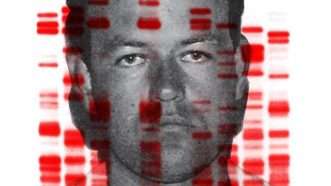
But when we're not careful, this powerful technology can help imprison the wrongly accused

Government authorities refuse to consider uncontrollable, dangerous consequences of breaking data privacy.
Alphabay has been down for more than a week. A series of raids and arrests suggests it's not an exit scam.
In Radicals Chasing Utopia, transhumanist enthusiasm gets a bad rap.

The author of Little Brother and Walkaway on dystopia, the end of scarcity, and what's going to get him arrested

Our media consumption is increasingly personalized. But personalized does not mean isolated.
If the nightmare of technological unemployment were true, it would already have happened, repeatedly and massively.

Reason editors discuss Trump's Warsaw speech, the Putin meeting, Mike Pence's Mars shot, and more.

An effective way to improve climate science and challenge the "climate establishment"?

Federal application of banking law to bitcoin nets another victim.

Studies showing an ostensible link between watching porn and committing rape are full of flaws.


On the pretext of texting safety, they want to give cops free rein to suspend licenses and fine drivers without charges or conviction.

Film favors martyrdom over careful analysis.
A new U.N. report finds cryptomarkets comprise a bigger chunk of the global drug trade than ever before.

Meet the developers behind Blockstack, who are using blockchain technology to reconfigure the web. It'll make NSA mass data collection impossible.



Companies are more likely to adapt more quickly to issues.

Plan to open headquarters in Oakland, California, upsets locals who fear tech displaces minorities.

Thanks for nothing, Federal Communications Commission.
Many technologists think so, but economists aren't so easily convinced.

Using fear of terrorists to try to control what you can see online
Q&A with Abra founder and CEO Bill Barhydt on bitcoin as "regulatory arbitrage."
He gave them a password, but police say it doesn't work.

Author Nick Bilton misses the point on the dark net.

How municipal broadband drains local taxpayers

The novelist, activist, and BoingBoing founder on cyber warfare, Uber-style reputation economics, and what he's likely to get arrested for someday.

The rules would apply only to videos-for now.

Washington, D.C. bar pulls drink named for TV star after "highly predictable outcry."

The FCC is designed to protect incumbents, enrich politicians, and screw consumers, says economist Thomas Hazlett.
And the news media are going along with it.

How will the struggle between the permanent bureaucracy and the EPA's new leadership play out?
A review of The Knowledge Illusion: Why We Never Think Alone
Cures for HIV/AIDS and specifically targeted antibiotics
Being equally diseased, disabled, and dead is only fair, says New York magazine.
Celebrate your independence with a subscription to Reason magazine, your most trusted source of honest, insightful news and analysis.




