
The Courts Should Rein in Trump's Proposed Section 301 Tariffs as Well
A guest post by Georgetown legal scholar Peter E. Harrell.

A guest post by Georgetown legal scholar Peter E. Harrell.

Platner is too typical of a wave of radical and unprepared Democrats who seem poised to take power.


The ruling is flawed on both substantive and procedural grounds.


Now Katherin Youniacutt and Tammy Thompson are taking their fight to become licensed master social workers to the Texas Supreme Court.

Plus: When tattoos meet copyright law
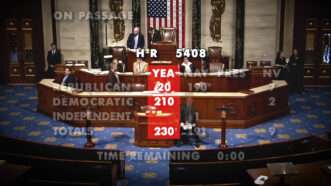
The Faster Labor Contracts Act promises quicker union agreements, but it would let federal arbitrators impose contracts workers never approved.

The FDA's burdensome regulatory process has throttled sunscreen innovation.

A lack of comprehension and sloppy language make a mess of a new tax scheme.
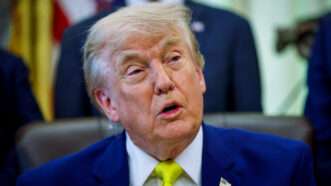
The president has repeatedly argued that courts have no business deciding whether his actions are legal.

U.S. District Judge Leo Sorokin struck down the fee, saying it exceeds the president's statutory authority and violates the separation of powers.

It's the latest example of Justice Department attorneys claiming broad and unreviewable powers for the president.
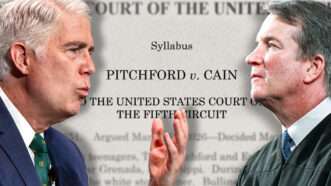

The ruling relies in part on the Supreme Court's decision in the tariff case.

Civil liberties groups say recording the police is core First Amendment activity. The Right to Record Act of 2026 would create a right to sue federal officers who violate it.

Miller says it is "madness" to expect law enforcement to get a warrant before spying on Americans' electronic communications.
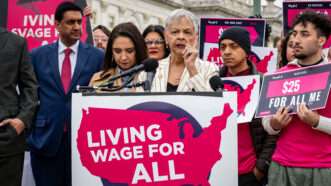
Rep. Ro Khanna's minimum wage proposal promises prosperity but would likely price many low-skilled workers out of the labor market.

The economic fallout of the law has been significant. Is it even legal?
The government had imposed an indefinite pause on adjudicating asylum petitions and applications for green cards, work permits, and citizenship for legal immigrants from certain countries.

As data centers dominate public debate, two states reveal their approach. Texas has taken a stance in line with market needs, while North Carolina reacts to fear and bad press.

Conservatives want local control over housing policy, but they're happy to let the state restrict when local governments can raise taxes.

Vermont passed single-payer legislation in 2011 and abandoned the plan after three years of failure. Why?
The Court should grant cert on the important separation of powers issue raised by her long-running, allegedly "temporary suspension" from case assignments.
They appear to be yet another illegal power grab, one that should be challenged in court.

Rubio offered more information than the president, but the hearings still offered little clarity on the war.

The state requires that people prove certain businesses are needed. How to do that is another question entirely.
Donald Trump wants to give it a little more control. Bernie Sanders wants to give it a lot.

Damon Root discusses the path to emancipation, the struggle to secure freedom after the Civil War, and the constitutional changes that remade America.
The president tramples the rule of law in his rush to glorify himself.

Everything in the bipartisan bill to “save” the NCAA, how the law would work, and whether it can pass Congress
Presidents use a web of private influence to garner support for foreign invasions.

Plus: a few words about my new book

The decision is a modest but welcome victory for the rule of law.
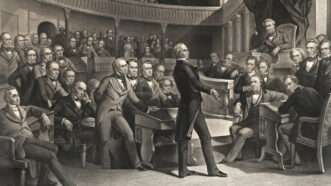
The Compromise of 1850 was really no compromise at all.

They claim the injunction requiring refunds cannot be universal, and can only apply to those businesses who filed lawsuits seeking recovery.

Mayor Zohran Mamdani’s COGE sounds like DOGE, but New Yorkers should not expect the mayor to shrink the city’s bureaucracy.

Any self-styled advocate for limited government should be furious about Trump's $1.8 billion slush fund, but few Republicans are willing to denounce it.

New York lawmakers want to close loopholes in anti-shackling laws to protect incarcerated pregnant women.

The two judicial conservatives continue to disappoint criminal justice reform advocates.

If the government does not reduce the cost of public services, then a special tax break for one group merely forces everyone else to pick up the slack.


One upcoming ballot measure would expand the state's taxing power. A lesser-known measure would limit it. Which will win?

The Democratic candidate dresses up a negative, partisan appeal as genuine moderation.

A 2024 paper claimed higher minimum wages don't kill jobs. It was statistically significant—and almost certainly misleading.
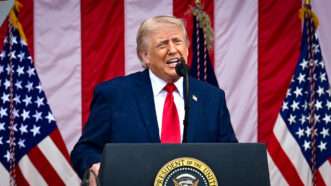
Using taxpayer money to reward the president’s allies has nothing to do with the president's claims against the IRS.
Celebrate your independence with a subscription to Reason magazine, your most trusted source of honest, insightful news and analysis.




