
Budget Deficit Hit $1.8 Trillion After Huge Increase in Borrowing Costs
Spending increased by 10 percent last year, while tax revenue increased by 11 percent. Interest payments on the debt shot up by 34 percent.

Spending increased by 10 percent last year, while tax revenue increased by 11 percent. Interest payments on the debt shot up by 34 percent.
The candidate’s protectionism offsets some otherwise positive tax ideas.
Everyone benefited when I manufactured my invention in China, but Americans benefited more.
To give storm victims the best chance at recovery, let local knowledge and markets guide decisions.
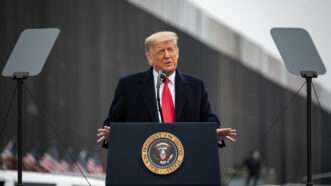
And it would wreck the economy.
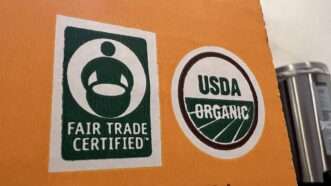
Government incompetence strikes again, turning the wine industry upside down with red tape and confusion.
Eliminate the domestic content requirements of the Buy American Act, don't expand them.

The dockworkers' strike is over, but America's ports will be some of the least efficient in the world whether they are open or closed.
Housing is unaffordable because regulations have prevented its commodification.

Trump's protectionist running mate comes out against “cheap, knockoff toasters” and common sense.

Vance says higher energy prices make building houses more costly. What, then, do tariffs on steel and lumber do?

Plus: Israeli troops cross into Lebanon, prayer illiteracy on full display, veeps joust, and more...
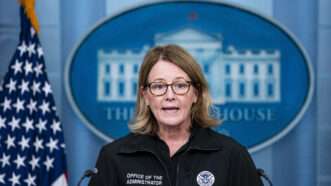
How the National Flood Insurance Program subsidizes living in high-risk flood zones.
Special interests and government prevent the free market from working the way it should in the healthcare industry, making many Americans poorer and sicker.

A lot more than Oren Cass and J.D. Vance want you to think, and Americans wouldn't like the tradeoffs necessary.

Federal investigators say police in Lexington, Mississippi, used illegal searches, excessive force, and kept residents in jail when they couldn't pay off old fines.

If the former president wins the 2024 race, the circumstances he would inherit are far more challenging, and several of his policy ideas are destructive.

The budget could be balanced by cutting just six pennies from every dollar the government spends. It used to require even less.

His ideas would leave us poorer and less free.

Economist Jeremy Horpedahl breaks down the economic outlook for Millennials and Gen Z and assesses how the 2024 presidential candidates' policies stack up against reality.
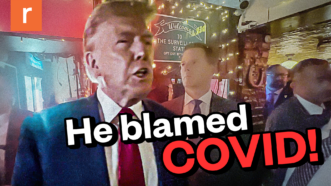
Reason's Nick Gillespie asked former President Donald Trump about how he plans to bring down the national debt.
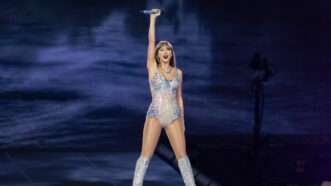
Other things less popular with American voters than capitalism: Donald Trump, Joe Biden, Kamala Harris, J.D. Vance, and socialism.
Columnists keep trying to find a coherent philosophy behind Harris' confused and contradictory policy agenda.
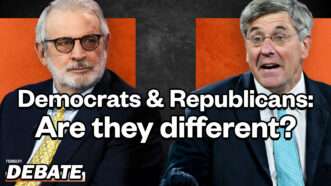
Two former Republican staffers, David Stockman and Stephen Moore, debate the state of the party.
Politicians are always trying to control what they can't understand.

One thing seems clear: Drug warriors do not deserve credit for the turnaround, although they deserve blame for the previous explosion in fatal overdoses.
The America of the past grew in spite of tariffs, not because of them.
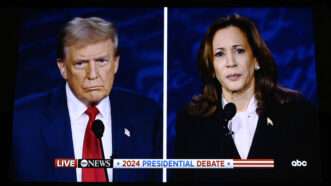
Neither Harris nor Trump has a plan to address national debt, but they dramatically differ on taxation.

Oshkosh Defense’s USPS van is thousands of dollars more expensive than the industry standard.

Unions and other special interests seem to get what they want before many urban residents get basic services.
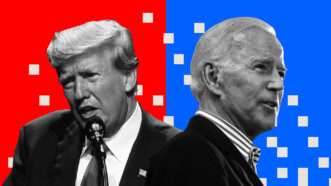
Both party leaders are selling the idea of a sovereign wealth fund, but it’s more political fantasy than fiscal fix.
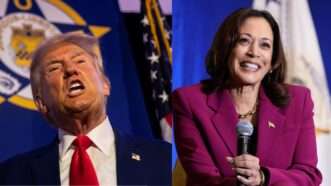
The costs of steep tariffs and a higher corporate income tax extend far beyond the advertised targets.
From salt riots to toilet paper runs, history shows that rising prices make consumers—and voters—grumpy and irrational.

Corporate subsidies and regressive tax breaks show who really benefits from Harris' agenda.
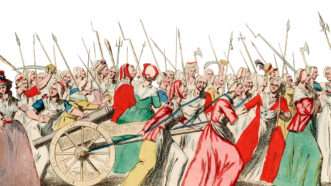
From salt riots to toilet paper runs, history shows that rising prices make consumers—and voters—grumpy and irrational.
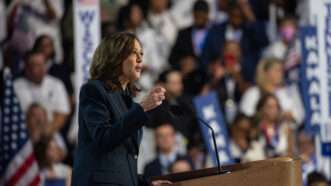
From overspending to the state's overly powerful unions, California keeps sticking to the taxpayer.

Economist Bob Murphy explains the technical details of government debt and why Modern Monetary Theory is so dangerously wrong.

American firms are not responsible for how the taxes they pay are spent.
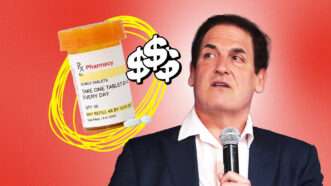
Season 2, Episode 1 Free Markets
Cuban's Cost Plus Drugs project brings a bit of free market flair to the health care industry, but the lack of meaningful price signals is only part of the problem.

In Pax Economica, historian Marc-William Palen chronicles the left-wing history of free trade.
Housing costs, job availability, energy prices, and technological advancement all hinge on a web of red tape that is leaving Americans poorer and less free.
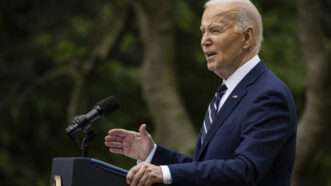
Joe Biden, Donald Trump, Kamala Harris, and J.D. Vance agree that U.S. Steel needs to be controlled from Washington. They are all wrong.
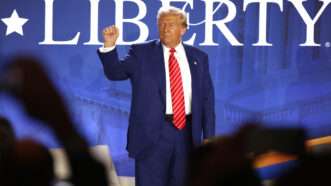
At least he draws the right conclusion from this imaginary hazard, acknowledging the dangers created by prohibition.
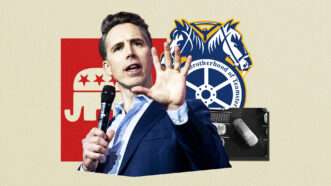
Autonomous vehicle developer Waymo is at the center of a fight between labor unions and venture capital that's dividing the populist right.
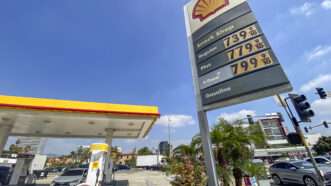
Gas prices in California are exceptionally high because of the state's high taxes and anti-oil regulations, not because gas station owners there are greedier.

Since when do government officials get to decide that a market is “oversaturated”?
Celebrate your independence with a subscription to Reason magazine, your most trusted source of honest, insightful news and analysis.




