
Tariffs on Canada, Mexico, and China Could Start This Weekend
Trump's second trade war has apparently arrived. There remains much uncertainty, but expect it to be costly.

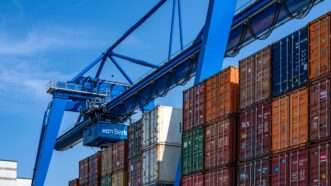
Trump's second trade war has apparently arrived. There remains much uncertainty, but expect it to be costly.
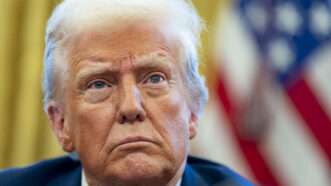
Reviving the Monroe Doctrine and 19th century Republican adventurism is not a shortcut to peace.
The public worries about corruption and bureaucracy, but many want more of the same.
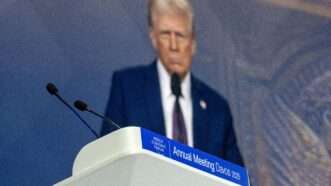
The stark disconnect not only runs the risk of choking off much of the global commerce the president claims to welcome but threatens to stick U.S. consumers and businesses with higher costs.
Drug warriors deserve blame rather than credit for their role in recent overdose trends.
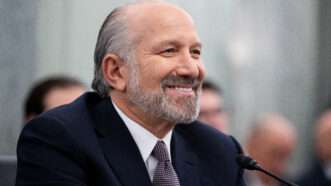
Howard Lutnick told senators that CHIPS Act subsidies were "an excellent down payment."
Inflation and rent prices are down, and the country has a budget surplus.
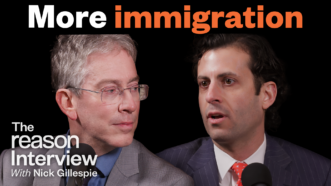
Immigration experts Alex Nowrasteh and Bryan Caplan make the case for significantly more and easier immigration to the U.S.
Politicians in both major parties see the People's Republic as an economic and military threat. But the real threat is an isolated China.
DeepSeek made a more efficient product that the rules wouldn't hinder.
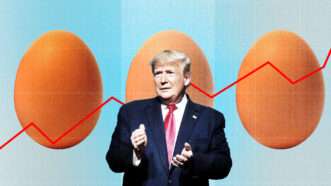
Though he promised to lower costs on Day 1, Trump remains just as beholden to the laws of supply and demand as his predecessor.

The owner of a famous cocktail bar in Dallas warns that tariffs on Mexican imports will mean higher menu prices and reduced availability of specialty tequila.
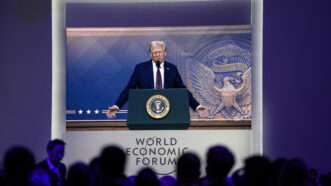
President Donald Trump doubled down on both domestic deregulation and protectionism in his speech to the World Economic Forum.
But at least he restored respect for a tariff-loving predecessor by renaming a mountain.
Not doing so could be harmful for just about everyone.
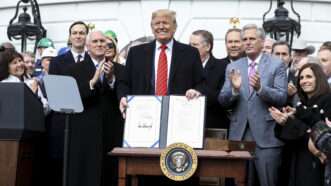
They are allied countries with which the U.S. has a trade deal (a deal negotiated by Trump, no less), but presidential emergency powers are nearly limitless.
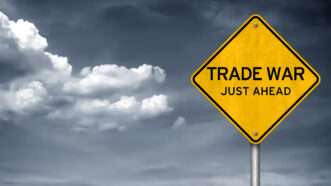
American tariffs will increase the price of final and intermediate goods, hurting our own consumers and domestic manufacturers.
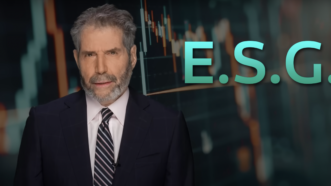
Many have started to recognize a need to focus on their core business rather than virtue-signaling.
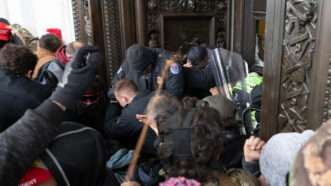
The Fraternal Order of Police mistakenly thought that the president "supports our law enforcement officers" and "has our backs."
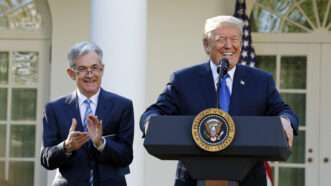
If a central bank has to exist, it has to be independent.

Mike Pesca reacts to Trump's inauguration and slate of executive orders on the latest Just Asking Questions.
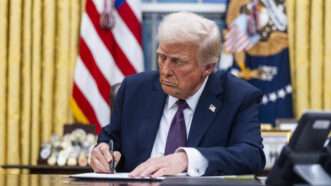
Domestic deregulation will decrease the cost of living. Trade barriers will do the opposite.
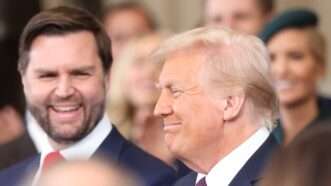
Trump promises to "tariff and tax foreign countries to enrich our citizens." That's not how it works.
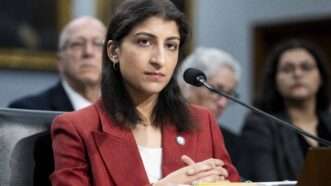
Outgoing FTC Chair Lina Khan sues Pepsi for violating Robinson-Patman Act.

Remote work is a plus for many people and businesses, but that’s not necessarily true of D.C.
DOGE won't necessarily have to kill any of Republicans’ sacred cows—but they will have to be put on a diet.

Politicians in both major parties see the People's Republic as an economic and military threat. But the real threat is an isolated China.
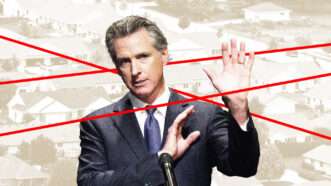
California Gov. Gavin Newsom must allow prices to rise if he wants homes to be rebuilt as quickly as possible.

Mandating negligible nicotine levels in tobacco products would create a big black market and criminalize currently legal transactions.
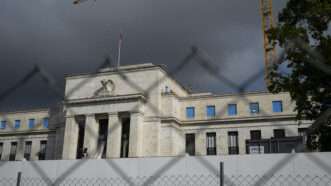
For all the excitement about the incoming administration and a return to the 2019 economy, market stability rests on the precarious assumption that the government will eventually put its fiscal house in order.
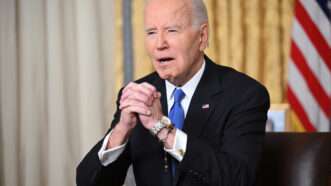
After four years, the president leaves behind a long, expensive record of non-accomplishment.

Austerity measures and bold economic reforms led to the country's lowest inflation rate in over four years.
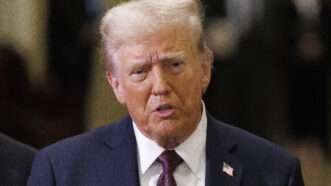
The incoming administration is grappling with uncomfortable political consequences of the tariffs Trump wants to impose.

Decades-old, voter-approved restrictions on insurers raising premiums have created a regulatory disaster to match the natural one.

If politicians want stuff to be more affordable, they should stop implementing policies that have the opposite effect.
Restructured contracts may help franchises who have a certain competitive disadvantage.

Economist Tyler Cowen on historical lessons, populism today, and the philosophical debates within libertarianism.
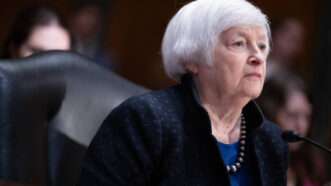
The Treasury Secretary’s debt decisions during the pandemic locked in low rates—but only for two years. Now, taxpayers are paying the price.
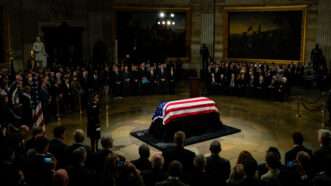
And also smartphones and FedEx, all of which were made possible by his push to abolish bad regulations.
City code protects incumbent transportation services by outlawing independent drivers.
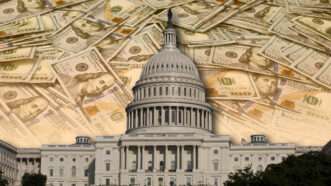
With inflation risks persisting and entitlement spending surging, the situation cannot be ignored. But we never should have gotten to this point to begin with.
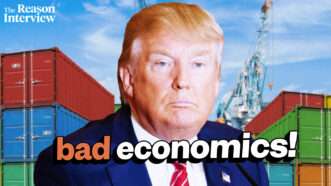
The trade economist details the most alarming protectionist policies proposed by the incoming Trump administration.
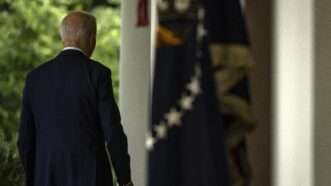
Blocking Nippon Steel from acquiring U.S. Steel lays the groundwork for a major consolidation of American steelmaking that will harm consumers and the economy.
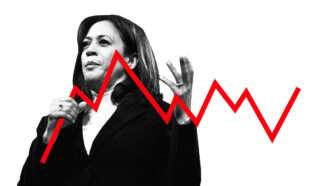
It's still the economy, stupid.
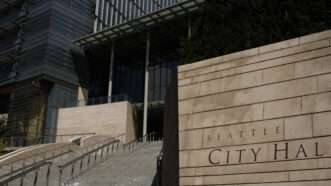
Increasing the cost of labor decreases the quantity of labor demanded.
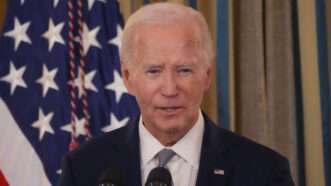
It's a disgraceful decision that serves as a perfect epitaph for Biden's political career.
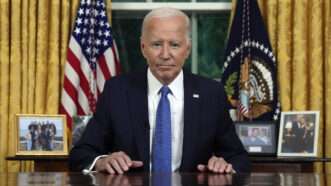
Plus: Subway system crime by the numbers, Bernie Sanders' H-1B visa hate, surgeon general still stupid, and more...
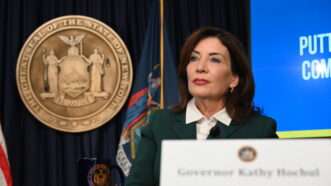
Reselling restaurant reservations helps allocate seats to those who most want them.
Celebrate your independence with a subscription to Reason magazine, your most trusted source of honest, insightful news and analysis.




