
Journal of Free Speech Law: "Section 230 Won't Protect ChatGPT," by Prof. Matt Perault
Just published, in our symposium on Artificial Intelligence and Speech; more articles from the symposium coming in the next few days.

Just published, in our symposium on Artificial Intelligence and Speech; more articles from the symposium coming in the next few days.
Plus: A warning about trigger warnings, Biden blocks uranium mining near Grand Canyon, and more...
"The material challenged in the plaintiff's complaint cannot be understood by a reasonable person as anything but substantially, if not literally, true."
Just published, in our symposium on Artificial Intelligence and Speech; more articles from the symposium coming in the next few days.
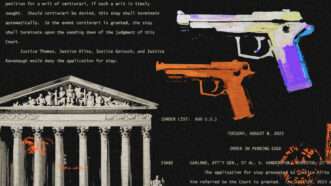
The plaintiffs in VanDerStok think that BATF's 2022 regulations defining certain gun-making kits as legally the same as guns overreached its constitutional authority.
An allegedly psychic "Internet sleuth" alleged a professor was involved in the University of Idaho student murders; the professor sued; then the "sleuth" countersued.

When it comes to conflicts with people engaged in unpopular or disfavored speech, too many journalists side with the feds.

The feds routinely abuse people’s rights and claim they shouldn’t be held accountable.

The Kids Online Safety Act imposes an amorphous "duty of care" that would compromise anonymous speech and restrict access to constitutionally protected content.
disclosure of an elementary school student's YouTube video watching history to the school, which was investigating him for supposed sexual harassment of teacher.
For now, doctors who end pregnancies when a woman’s life is at risk can still be prosecuted.
The decision came despite the applicant's objection, ten months after the name change, that the change was needed to prevent "potential endangerment and/or discrimination through publicly disclosed record of the transgender applicant."
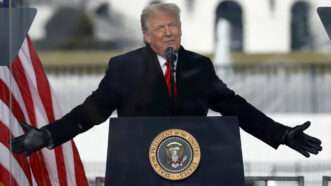
When he alleged fraud and sought help from government officials, they say, Trump was exercising rights guaranteed by the First Amendment.
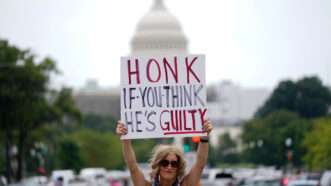
Plus: Why don't journalists support free speech anymore?
holds the Second Circuit, though it leaves it to the trial court to consider the facts further.
More people than one might imagine, chiefly because many states, counties, and cities have laws that ban private employers from discriminating against their employees based on certain kinds of speech.
A new documentary film argues that the second-largest website on the planet is flooded with misinformation. Is that right?
"Until today, there was no such thing as a free market–focused crossword puzzle," says Stella Zawistowski.

The legislation is also terrible on free speech and poses global risks.

The case involved Young Americans for Freedom postings about "Leftist Ideas" and about abortion.

The events expose an underappreciated downside to government registries: In addition to civil liberties concerns, so much information in a concentrated database is a potential privacy nightmare.
by the First Amendment, even if the abortion would be illegal in the state, holds a federal judge in Idaho.

UVA found "insufficient evidence" to conclude that Morgan Bettinger called protesters "good speed bumps." They punished her anyway.
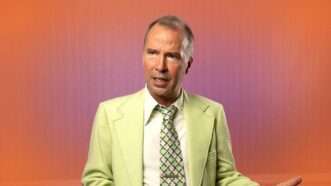
The libertarian comedian on why he's dreading the presidential election season, how he survived COVID, and why he needs to do more psychedelics.
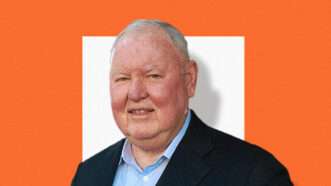
Larkin, 74, took his own life on Monday, just a little over a week before he was slated to stand trial for his role in running the web-classifieds platform Backpage.
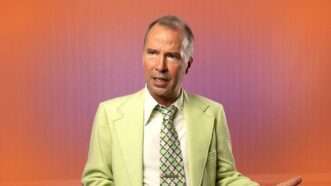
The comedian has entertained audiences with his bad taste and unapologetically libertarian tirades for nearly 30 years.
by Matthew L. Schafer & Tanvi Valsangikar, just published, through our normal blind review process.
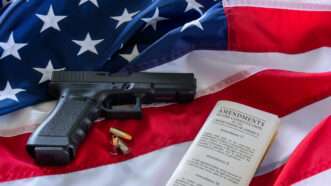
Promoting impunity for violating rights as a policy tool? What could go wrong?
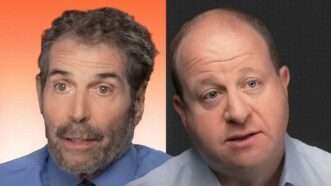
"Government in general does a lot of things that aren't necessary," says Jared Polis.
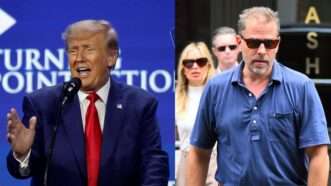
The nature of their conduct is a better indicator of the punishment they deserve.
Just published, through our normal blind review process.
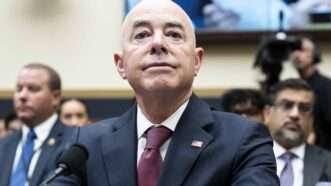
Rep. Cori Bush (D–Mo.) and multiple civil liberties organizations cited the "Cop City" project in Atlanta, in which dozens of protesters have been charged with domestic terrorism.

Plus: California tries to stop professors from testifying in suit over COVID education policies, state Republicans aren't all abandoning free market economics, and more...
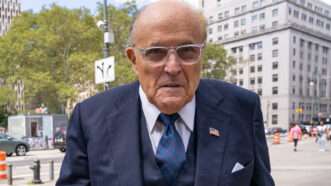
Unlike calling Trump's stolen-election fantasy "the Big Lie," his lawyer's statements were demonstrably false assertions of fact.
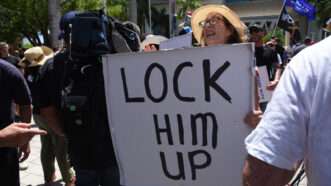
Plus: A listener question concerning drug decriminalization and social well-being

A White House panel says the FBI's internal control over Section 702 databases are "insufficient to ensure compliance and earn the public's trust."

Plus: The right to call neighbor a "red-headed bitch," the case against a Digital Consumer Protection Commission, and more...
Celebrate your independence with a subscription to Reason magazine, your most trusted source of honest, insightful news and analysis.




