
Banning Flock Won't Be Enough Without Police Reform
It was Flock that led cops to the wrong woman. It was police who ignored the other evidence and jailed her.

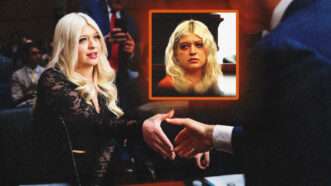
It was Flock that led cops to the wrong woman. It was police who ignored the other evidence and jailed her.
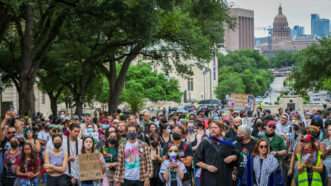
Charlie Kirk’s death put campus censorship back in the spotlight. In Texas, FIRE found plenty of it—much of it was from the right.
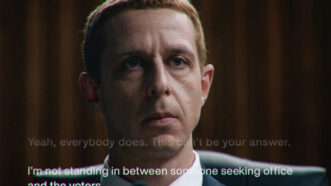
In the latest trailer for The Social Reckoning, the Zuck character stridently rebuts pro-censorship arguments.
apparent denial of access to the reporters early this morning.
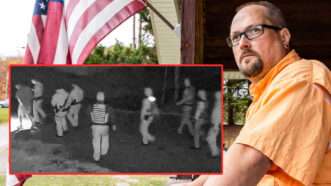
Joshua Gibbons says his embarrassing videos of police officers in Kingsport, Tennessee, were a motivating factor in their decision to arrest him on minor charges that were thrown out of court.

U.S. District Judge Timothy J. Kelly is skeptical of the belated "national security" rationale for banning CNN, MS NOW, and Politico from the White House.
An academic fight wasn't a RICO or antitrust violation, but a false light claim can still go forward.
The court's rationale is that revoking reporters' passes violated the Due Process Clause, given D.C. Circuit precedent on the subject; the court didn't reach the outlets' First Amendment arguments.
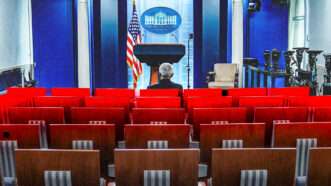
The president hopes that post-hoc rationalization will override due process and freedom of the press.

The rationale for AI facial scanning—to prevent bad actors from following students into buildings—makes little sense.
An "endarkened feminist approach to revolutionizing teacher consciousness" is alleged to be unprivacied as well.

SparrowMap uses volunteer cameras to track the police in the same way police track the public. The government considers it a potential threat.
Idaho Supreme Court finds false caselaw quotations, after jury found false factual assertions.

Trump’s latest media fight isn’t just about CNN and MSNOW—it’s about who gets access to him.
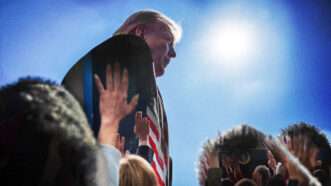
In a federal lawsuit, CNN, MS NOW, and Politico argue that Trump's bans violate due process and freedom of the press.

Photos taken by an ICE whistleblower show detainees at the agency's overcrowded Miramar field office sleeping in the building's sally port.
Regulations limiting demonstrations on the Eastern Steps to those sponsored by members of Congress are unreasonable.

The KIDS Act could age-gate the internet for hundreds of millions of users.
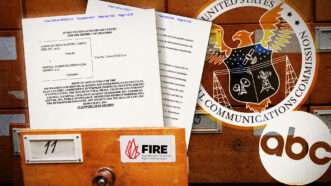
FIRE, Cato, PEN America, and others take on the broadcasting police.
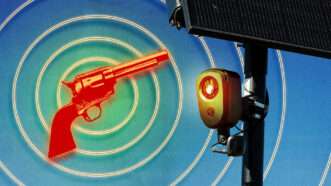
Gun owners should be paying attention to how police use gunfire microphones in conjunction with license plate cameras.
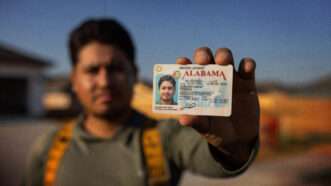
Being on a construction site "does not open the floodgates to warrantless government intrusion," a federal judge ruled in a lawsuit filed by a construction worker who has been detained three times by ICE.

Cops keep carving out tech exceptions to the Fourth Amendment—and courts are giving them their blessing.
In the 1950s, Americans confronted the precipitous rise of hate speech and hate groups, yet very few turned to hate speech laws as a solution.

A recent settlement crippled a local code enforcement scheme—and exposed the perils of turning petty violations into government revenue streams.

The immigration system has a confusing and opaque approach to foreigners who have done sex work.
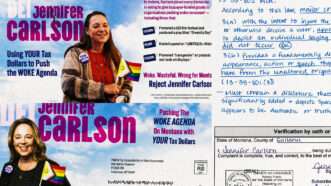
A federal judge found that the state's restrictions on AI-generated political speech likely violate the First Amendment.
Flock has been promoting a recent study of its cameras' impacts on car theft. But the paper didn't demonstrate a causal effect.
Just as a holdout may be a bulwark against wrongful conviction, a unanimous verdict is difficult to obtain by design.

A federal appeals court says it's legal for federal agents to scroll through your phone and take pictures of its contents without a warrant or suspicion of criminal activity.
likely violates First Amendment, federal judge holds (and issues a preliminary injunction).
After the Second World War, the nation grappled with tensions between protecting free speech and eliminating hate speech.
Because her comments came in describing her marriage and her divorce, she "was discussing her life, not Matt's, and the law generally protects a person's speech about herself, even though such speech inevitably reveals details about others."

The ACLU says Hunter Demster's arrest shows a continuing campaign of intimidation and retaliation by the Memphis Safe Task Force.


New from Reason: a look into what Javier Milei has accomplished and what it will take to make the most of Argentina’s window for real change. Out now for subscribers.