
When Gun Control Is Censorship
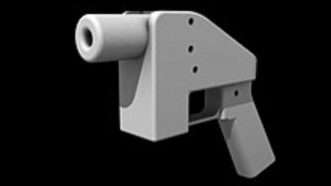
New Defense Distributed chief Paloma Heindorff on making guns, fighting lawsuits, and life after Cody Wilson


New Defense Distributed chief Paloma Heindorff on making guns, fighting lawsuits, and life after Cody Wilson
So the Wisconsin Supreme Court held yesterday, reversing a Wisconsin Court of Appeals decision.
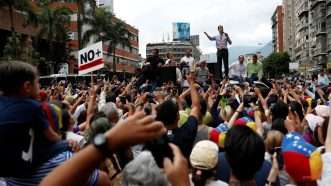
More violence hit Venezuela today following opposition leader Juan Guaidó's calls for the military to abandon the Maduro government.
Can a court block multiple statements that seem to come from several people, but that were actually all posted by one person?
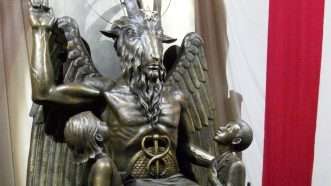
The group takes its First Amendment crusade to a public park in Minnesota.
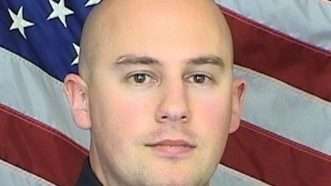
The process for obtaining "extreme risk protection orders" that take away people's Second Amendment rights is rigged against gun owners from the outset.
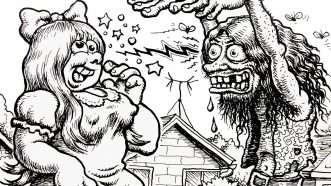
Today it's creators, not cops, who want to banish R. Crumb, onetime king of the comics underground.
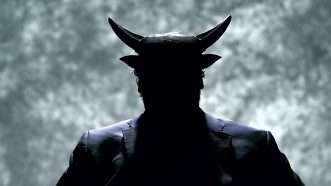
Director Penny Lane chronicles the rise of the Satanic Temple, a group that combines theatrical stunts with political activism.
An interesting decision from the Fifth Circuit, allowing a negligence claim to go forward against organizer Deray Mckesson; the court's reasoning relies heavily on the illegal nature of the protest.

Plus: "we need a president who recognizes sex work as work," says Mike Gravel; how kid-friendly pot paraphernalia killed decriminalization; more...


"Students were just screaming that we were trying to 'kill them.'"
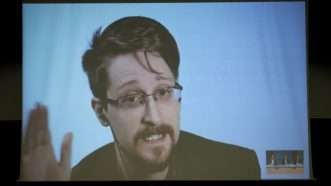
After years of political fights over our privacy, a potential end in mass phone metadata collection
Just filed yesterday, and I think it should prevail.

So holds a District Court decision, though stressing the "may be."

Iconic British foods like Christmas pudding and strawberries and cream get censored.

But most gun crimes are carried out with out-of-state firearms.
Even if injunctions against libel don't violate the First Amendment, should state courts still reject them on other grounds?

The California senator claims she could impose "near-universal background checks" and close the "boyfriend loophole" without new legislation.

Should you be worried?
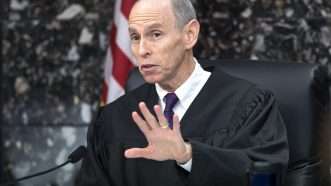
They're joined by an arrested spa owner and manager in fighting the release of surveillance video, with an array of big media companies on the other side.

Legal scholar Jeff Kosseff wanted to write a "biography" of Section 230, the law that immunizes websites and ISPs from a lot of legal actions. He fears he has written its obituary.
Seems like a pretty clear First Amendment violation, even if the name is viewed as an offensive reference to illegal aliens (which the corporate owners apparently don't intend).

Classifying heavy internet use as medical addiction leads to bad policy and inferior patient care.
Even if injunctions against libel don't violate the First Amendment, should state courts still reject them on state separation of powers principles?
A relatively novel suggestion, aimed at providing libel defendants with the necessary First Amendment protections while still giving libel plaintiffs protection early in the litigation process.
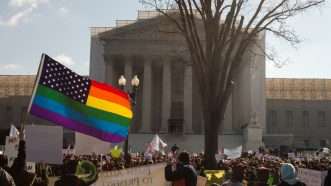
Does current precedent forbidding discrimination on the basis of sex-based stereotypes apply here?

Right after 290 people were killed in a series of Easter Sunday bombings

Plus: Violence in Sri Lanka leads to social media suppression, and the White House wants to make it harder for pretrial diversion participants to get government jobs.

That's the legal theory behind a case just filed by prosecutors in Ohio.
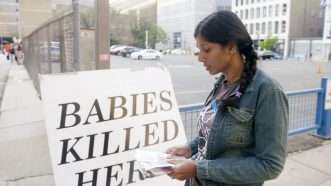
PBS documentary illustrates two sides pushing even further apart.
I'm continuing to serialize my forthcoming Penn Law Review article on Anti-Libel Injunctions.

Protesters said it was "absolutely, unequivocally" not their intention to shut down Legutko. The administration panicked anyway.
Should the availability of anti-libel injunctions turn on the subject matter of the false and defamatory speech that's being enjoined?
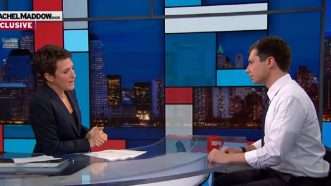
Mayor Pete pitches a vague policy as a cure to help fix "the lack of social cohesion" that he says defines contemporary America.
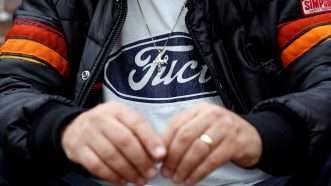
The owner of a clothing line asks the Supreme Court to overturn the ban on "scandalous" trademarks because it violates the First Amendment.
The case drew support from rappers like Killer Mike, Chance the Rapper, and Meek Mill.
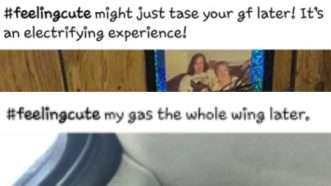
"Feeling cute, might just gas some inmates today, IDK."
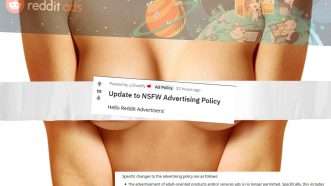
Subreddits on sexual themes will also be banned from running ads.
This is the key proposal from my forthcoming Penn Law Review article on Anti-Libel Injunctions -- a way of taming the anti-libel injunction to include important First Amendment procedural protections, but still allow its use to prevent genuine libels.
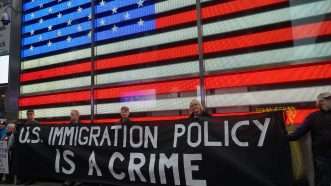
Plus: Trump shows true colors on Yemen, U.K. sets a date for new porn rules, and scientists say we may be in a new geological epoch.
Facebook would prosper in a less robust market.
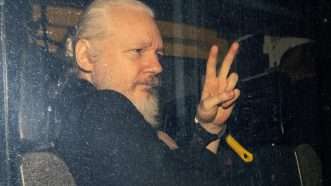
Freedom of the press is not limited to "legitimate journalists."
Celebrate your independence with a subscription to Reason magazine, your most trusted source of honest, insightful news and analysis.




