Civil Liberties
Sinatra, Music, the Texas Guitar Army, the First Amendment, and Coronavirus
That's Judge John Sinatra (W.D.N.Y.), holding that a N.Y. restriction on live music was unconstitutional.
Some Thoughts on the Avenatti v. Fox News Libel Lawsuit
Past perfect, libel-proof plaintiffs, substantial truth, “actual malice,” statutes of limitations, and more.
Lawyer Gets Temporary Injunction Against Gripe Site That Says He's a "Fraud," "Cowardly," "Cannot Be Trusted"
But I think the First Amendment prohibits such pretrial injunctions, and in any event the injunction targets opinions and not just false factual assertions.
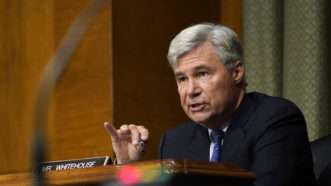
Alito Rightly Slams Five Democratic Senators for 'Bullying' the Supreme Court
The senators warned that the Court might have to be "restructured" if it did not reach the conclusion they preferred in a Second Amendment case.
TikTok Will Outlast Trump
Plus: Homeland Security says this election was "the most secure in American history," Chicago asks residents to stay home again, and more...
L.A. Suburban School District Forbids To Kill a Mockingbird, Of Mice and Men, and More in High School Readings
Other excluded books: Huckleberry Finn, The Cay, and Roll of Thunder, Hear My Cry.
Trump v. CNN Libel Suit Dismissed for Now
The court finds that the Trump campaign didn't offer enough facts suggesting that CNN knew the statement was false (or was likely false); the campaign is allowed to file an amended complaint if it can make more specific allegations.
Joe Biden's Disastrous Record of Using 'Bold Federal Action' To Solve America's Problems
It's unclear what Biden will ultimately be able to accomplish as president, but he has been trying to bring transformative change since the 1970s.
Joe Biden Has Vowed To Undo Betsy DeVos's Title IX Reforms. Can He?
The new president could weaken due process protections for accused students, but it won't be easy.
Gun Restrictions as Analogy for Justifying Speech Restrictions
"The state may restrict a convicted felon's right ... to possess a firearm," so a state may order a civil case defendant to stop saying things online about plaintiff that "severe[ly] emotional distress" that plaintiff.
No Sealing of Case Based on "Defendant['s] … Damaging Assertions Against Plaintiffs"
"Plaintiffs decided to file a publicly available case and then ask the Court to protect them because defendant might say horrible things about them throughout the course of this litigation.... But harsh words are not a basis to seal a case, especially where it appears that both sides have no qualms about tearing each other down."
"Seditious Conspiracy" Is Still a Crime
But unlike the Sedition Act of 1798, the federal seditious conspiracy statute doesn't focus on antigovernment speech (such as alleged lies about the government).
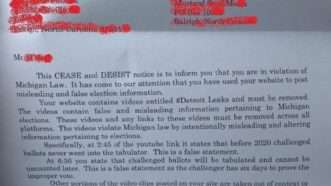
Michigan AG's #DetroitLeaks Takedown Demand, and Seditious Libel
The AG is threatening criminal prosecution because the videos allegedly contain "false and misleading information" about Michigan elections' vulnerability to fraud.
First, Sixth Amendments Require Allowing TV Coverage of Derek Chauvin Trial
So holds a Minnesota trial court, because ordinary public access is precluded as a result of the epidemic.
The First Amendment and Mandated Creation of Computer Code
"Plaintiffs have sufficiently alleged that the code they must draft to comply with the Dealer Law communicates substantively with the user of the program" and thus implicates the First Amendment.

Michigan Voters Demand That Police Get Warrants for Electronic Data
Constitutional amendment overwhelmingly passes.
Not Libel to Defame a Pseudonymous Chat Group User …
so long as the user's true identity is unknown to the audience, and the pseudonym has no "legally cognizable independent reputation" (as when the pseudonym is used by an author to sell books).
Protests, Roadways, and Liability
(1) Black Lives Matter demonstrations. (2) Trump-fans-vs.-Biden-bus demonstrations.
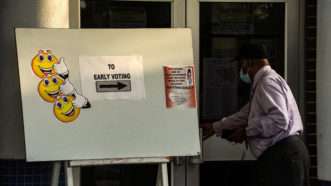
In Texas, Wearing the Wrong Thing to the Polls Could Land You in Jail
A new lawsuit says the state's electioneering statutes violate the First Amendment.
Supreme Court Sends DeRay Mckesson Black Lives Matter Protest Case Down to the Louisiana Supreme Court
The Court avoids, at least for now, the First Amendment question by instructing the Fifth Circuit to ask the Louisiana Supreme Court to decide whether Louisiana state law even allows negligence liability in the case.
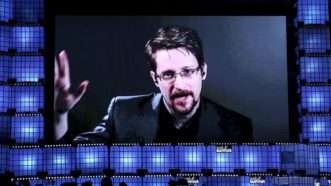
Snowden Announces Plans To Become Russian Citizen
The surveillance whistleblower has a child on the way and little sign a pardon is forthcoming.
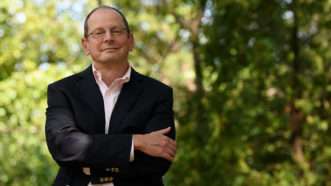
How To Tell If You're Being Canceled
Kindly Inquisitors author Jonathan Rauch on the never-ending battle to defend free speech
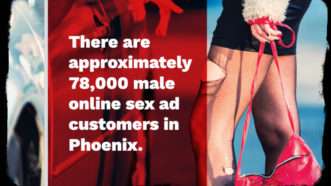
Judge Whose A.G. Spouse Bashes Backpage Won't Recuse Herself From Backpage Trial
Judge Susan Brnovich said no reasonable person would question her impartiality just because her husband already says they're guilty.
Fifth Circuit Speaks Out Against Campus Speech Codes (in University of Texas Case)
Speech First, a pro-campus-free-speech advocacy group, can go on with its challenge to UT-Austin's speech codes—and the panel strongly suggests those codes (backed by anonymous reporting to the Campus Climate Response Team) are unconstitutional.
Published Criticism of Lawyer Isn't Retaliation Forbidden by Disability Law
"The Court cannot punish or hold Defendants liable merely for publishing a summary of Plaintiff's disciplinary action and their commentary about that decision."
Need Proof That Encryption Backdoors Lead to Hacking? It Happened to Our Own Government.
The National Security Agency arranged for security systems to be secretly compromised. Then the Chinese government allegedly found its way in.
Narcos TV Show Doesn't Infringe Virginia Vallejo's Memoir
A good illustration of a basic principle: Facts are not protected by copyright.
Criminal Libel Conviction Over Fake-Name Online Reviews
An interesting new case from Wisconsin.

Surprise: DOJ Is Not a Big Fan of Privacy-Preserving Cryptocurrencies
Privacy is a right, not a “high risk” and “possibly criminal” activity
Zoom's Refusal to Host Events That Include Terrorist Group Leader Leila Khaled
Prof. Steven Lubet (Northwestern Pritzker School of Law) has an excellent analysis.
'This Building Has Caused More Problems Than It Solved'
Secretary of Education Betsy DeVos on schooling during COVID-19, the future of higher ed, and why her cabinet department probably shouldn't exist at all