Police Used a Truck Inspection To Search for Drugs. The 7th Circuit Said the Fourth Amendment Forbids It.
Cops stopped a semitruck because of a drug tip, then tried to dress the illegal search up as a routine inspection.


Cops stopped a semitruck because of a drug tip, then tried to dress the illegal search up as a routine inspection.
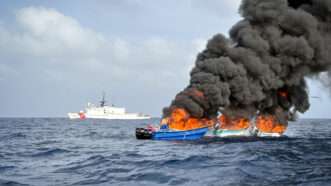
After nine months of murdering suspected cocaine smugglers, the Trump administration has no evidence that the strategy is working as advertised.

Good intentions, bad results.
Department of Homeland Security
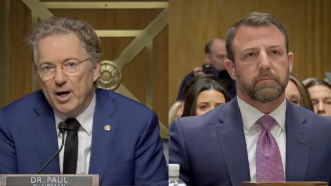
The Oklahoma senator, nominated to replace Kristi Noem, is blasé about the use of deadly force.

The death of El Mencho shows why decades of prohibition enforcement have only strengthened cartels.
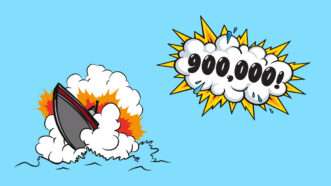
The president claims that thousands of American lives are saved every time the government blows up a suspected drug boat.
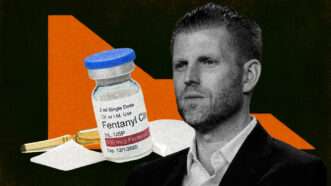
The president's son also claims destroying cocaine boats somehow reduces fentanyl overdoses, echoing his father's confusion.

If an indictment is enough to justify military action, why bother seeking congressional approval?
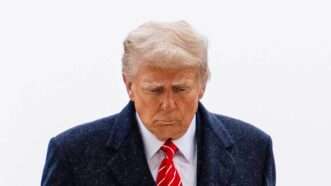
Even as the president blows up drug boats, the government routinely declines to pursue charges against smugglers nabbed by the Coast Guard.
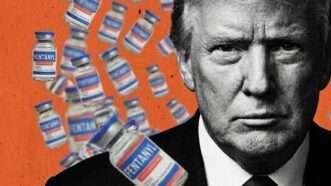
The executive order does not accomplish much in practical terms, but it jibes with the president's conflation of drug trafficking with violent aggression.

The defense secretary claims the video, which shows a second strike that killed two floundering survivors, would compromise "sources and methods."

Calling suspected cocaine smugglers "combatants" does not justify summarily executing them.
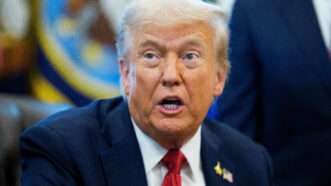
So far, by the president's reckoning, he has prevented 650,000 U.S. drug deaths—eight times the number recorded last year.
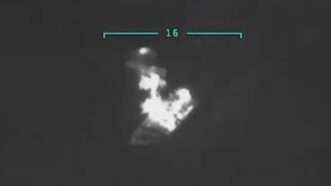
The footage shows what happened to the survivors of the September 2 attack that inaugurated the president's deadly campaign against suspected drug boats.

The commander who ordered a second missile strike worried that the helpless men he killed might be able to salvage cocaine from the smoldering wreck.

Adm. Frank M. Murphy reportedly told lawmakers a controversial second strike was necessary because drugs on the burning vessel remained a threat.
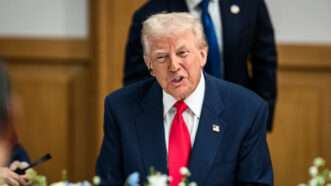
There are several problems with the president's math, which suggests he has accomplished an impossible feat.
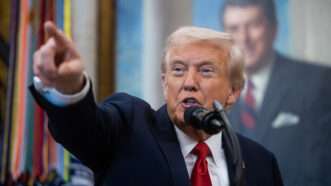
Until now, the president concedes, interdiction has been "totally ineffective." Blowing up drug boats won't change that reality.
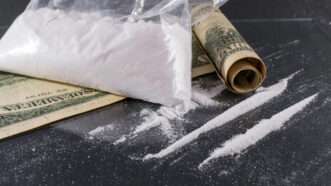
Most U.S. drug traffickers are Americans, but the president is ordering extrajudicial maritime killings while ignoring the domestic demand that drives the market.

Can this weekend's Hall of Fame induction of Dick Allen and Dave Parker teach us a lesson about politics?
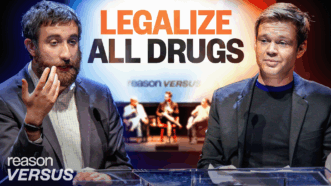
City Journal's Rafael Mangual and Charles Fain Lehman debate Reason's Billy Binion and Jacob Sullum on legalizing all drugs.

The House Ethics Committee's findings, combined with Gaetz's lack of relevant experience, again raise the question of why Donald Trump picked him for attorney general.

Prosecutor Ralph Petty was also employed as a law clerk—by the same judges he argued before.
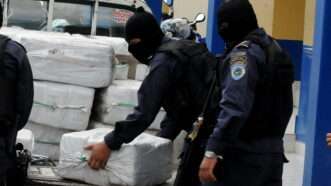

Tony Montana has a bloody rags-to-riches story.
He is not the first defendant that has struggled to reconcile the controversial raids with self-defense.

The legal distinction between the smoked and snorted forms of cocaine never made sense.

A compromise to cram crack sentencing reform into the year-end omnibus spending bill fell apart at the last minute.

The move comes as legislation flounders in Congress to end the crack-powder sentencing disparity once and for all.
Despite bipartisan momentum at the federal level, Congress still couldn't get anything over the finish line.
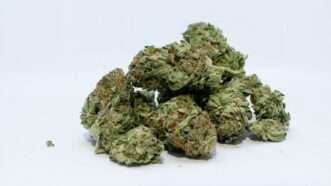
The meager evidence cited by Connecticut officials makes their warnings seem overwrought.

The drug bust blurs the line between military operations and civilian law enforcement.

Neuropsychopharmacologist Carl Hart says most of what the public knows about drugs is both scary and wrong.
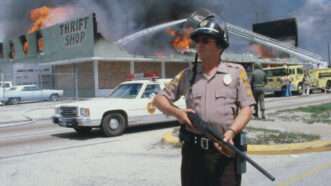

Voters came out for legalizing marijuana, removing criminal penalties for psychedelic use, and treating drug addiction as a public health concern.
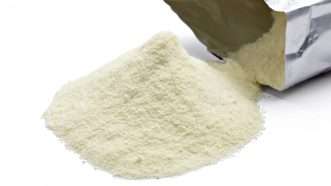

A new RAND report puts spending on marijuana, heroin, methamphetamine, and cocaine at $146 billion in 2016.
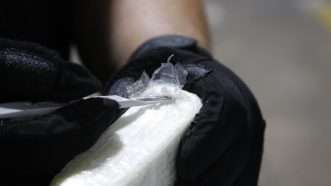
Cocaine offers better value than the market in prohibitionist fears.

Seventeen tons of coke is nothing to sneeze at, but the dangers of the drug were wildly overhyped by law enforcement.
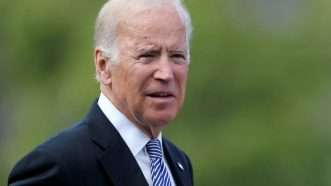
On Martin Luther King Jr. Day, the former vice president acknowledges regrets about his role in the drug war and mass incarcerations.

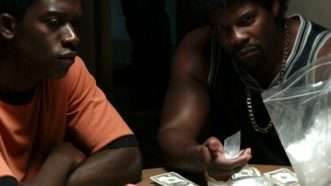
John Singleton's latest is a hackneyed embrace of debunked conspiracies.
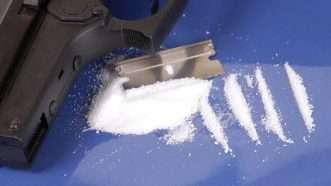


How the government makes drugs more dangerous
Celebrate your independence with a subscription to Reason magazine, your most trusted source of honest, insightful news and analysis.




