
How Biden Hobbled His Own Infrastructure Push
At nearly every turn, the infrastructure package opted for policies that limited supplies, hiked prices, added paperwork, and grew government.

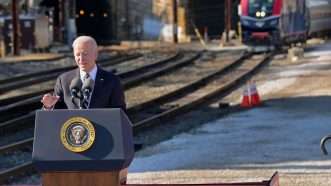
At nearly every turn, the infrastructure package opted for policies that limited supplies, hiked prices, added paperwork, and grew government.
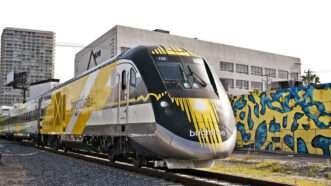
Brightline is the first privately funded intercity rail line in the U.S. in over 100 years.

Poker player Annie Duke says grit is overrated and walking away from bad choices is an underappreciated virtue.
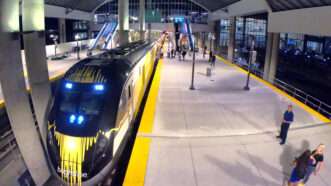
Every dollar wasted on political pork, fraud, and poorly considered infrastructure makes the country’s fiscal situation even worse.
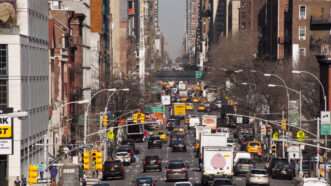
The new tolls are part of a congestion pricing scheme that's been years in the making.

Lawmakers should consider a user-fee system designed to charge drivers by the mile.
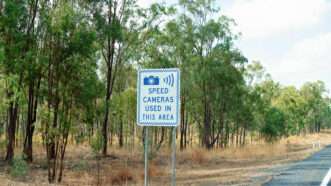
Only 536 people live in this Ohio town that issues 1,800 speeding tickets per month.

Plus: Send your questions for the editors to roundtable@reason.com ahead of this week’s special webathon episode!
When the Biden administration temporarily suspended its own protectionist policies, Senate Republicans voted to reinstate them.
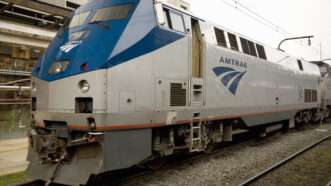
Amtrak has historically received $2 billion in federal subsidies each year. Under Republicans' "draconian" cuts, they'd receive over $5 billion next year.
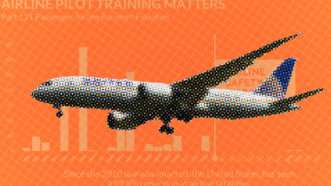
The world's largest union of pilots says this requirement is necessary for safety and not unduly burdensome, but its data are misleadingly cherry-picked.
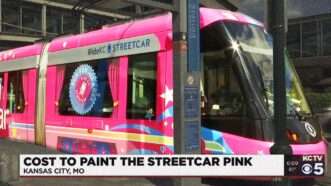
Officials say that the "Dream Streetcar" is intended to boost ridership, even though the streetcar is free.
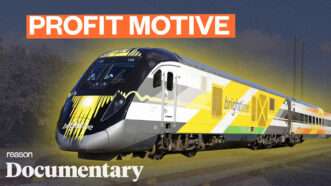
One company is betting that it can run a commercially viable passenger rail service without massive federal subsidies.
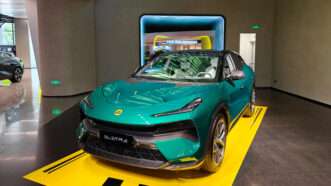
Rather than posing a national security threat, the growth of China's E.V. industry is an opportunity for global innovation.
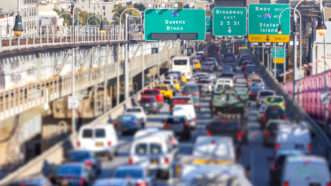
New York officials have primarily pitched congestion tolls as an easy cash grab for the city's subway system. New Jersey drivers and politicians aren't happy about that.

The popularity of e-bike subsidies doesn't mean these programs are creating more e-bike riders.

The median resident of Southern California takes zero transit trips annually, and only 2 percent of the region's population frequently uses mass transit.
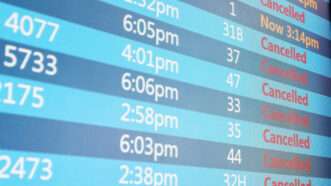
Phantom thunderstorms scotch thousands of flights, because the FAA sucks.
Service cuts that reflect falling demand and zoning reforms that bring more fare-paying residents back to cities could shore up transit agencies' budgets.

After many failed efforts at reform, the Oregon Legislature has passed a bill allowing gas stations to designate up to half their pumps as self-service.
That's more than $21,000 per foot. And the tab doesn't include operating costs, which taxpayers will also heavily subsidize.
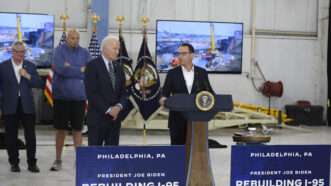
The closure of I-95 is a teachable moment. But highway critics are learning the wrong lesson from it.
If a proposal to let pilots do more of their training on flight simulators passes, supporters will have "blood on your hands," says Sen. Tammy Duckworth.

The legislation—which was introduced in response to the derailment in East Palestine, Ohio—pushes pet projects and would worsen the status quo.

In 2019, the Trump administration blocked a costly and ineffective mandate for two-man railroad crews long sought by unions. Now, the former president wholeheartedly supports it.
Staffing shortages and laughably out-of-date technology in the federal government's air traffic control system are leading to a lot more flight delays.
When the state won't shade you, buy a hat.
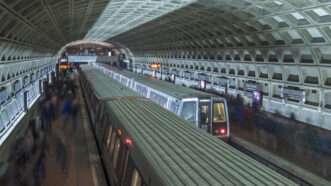
The rail lines servicing Washington, D.C.'s Union Station are carrying as little as a quarter of their pre-pandemic ridership. Officials still want to triple the station's capacity.

For better air travel in the U.S., it’s time for Congress to open the skies to international competition.

"The greatest thing that ever happened to me was to be born in a free country of modest means and to have opportunities," says the Nobel Prize–winning economist.
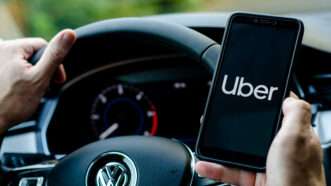
A proposal to charge rideshare vehicles $2 to enter D.C.'s downtown during the day will probably reduce Uber and Lyft rides. But we shouldn't expect it to reduce overall traffic volumes.
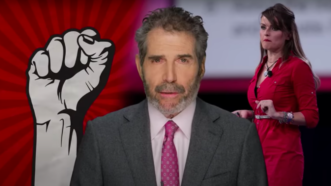
"If there is freedom, private property, rule of law, then Latin Americans thrive," says the social media star.
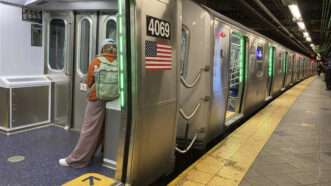
The transit systems we're supposed to hop aboard ultimately operate as jobs programs for government workers.

A new report from Reason Foundation shows that in 2020, highway quality improved while spending stayed flat. Inflation is now wrecking that progress.

From delivery fees to streaming taxes, New York can’t stomach having MTA users actually pay for the system themselves.

A bipartisan bill backed by J.D. Vance and Sherrod Brown would include a two-member crew mandate that unions have long sought—and that wouldn't have prevented the Ohio disaster.

In countries that privatized, there are fewer delays and costs are lower. But labor unions and the private plane lobby stand in the way.
Plus: College says abortion art runs afoul of state law, the politics of Silicon Valley Bank's collapse, and more...

The Ohio train accident was frightening enough. Spreading inaccurate information won’t help the citizens of East Palestine.
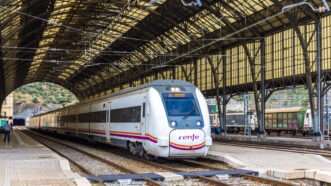
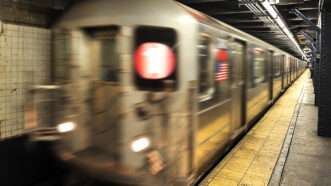
For transit to continue to serve a valuable role in the few places where it can compete, policy makers will need to rethink how service is provided.
Plus: Ex-felons and the right to vote, Gavin Newsom's plan to cap oil company profits collides with reality, and more...
An escalator in a subway station is considered a "component" but a fire suppression system in the same station is considered a "finished product." Why? Because the bureaucrats say so.
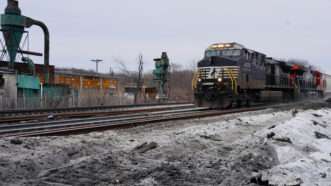
Plus: Did the Pentagon shoot down a hobby radio balloon?, Kentucky abortion ban can be enforced, and more...
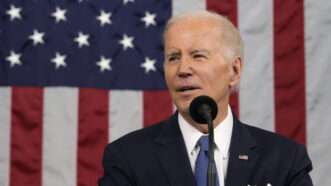
The president's State of the Union address re-upped a tired, old promise to spend more tax dollars on less infrastructure.
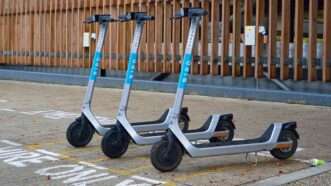
The company scored 445 points on the city's checklist—one fewer point than a company that did receive a permit.

The airline will either clean up its act or go out of business. Meanwhile, the government plods along.
Celebrate your independence with a subscription to Reason magazine, your most trusted source of honest, insightful news and analysis.




