
Plan to Roll Back Internet Regulations a Boon for Business and Innovation
Goodbye and good riddance to the Obama administration's "Open Internet Order."


Goodbye and good riddance to the Obama administration's "Open Internet Order."

New York Times columnist notes the uncertainties in climate science; progressives want him fired.
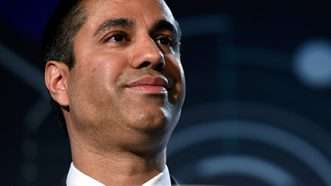
"We were not living in a digital dystopia in the years leading up to 2015."
There's bad and indescribably bad. And then there's "My Sex Junk," a segment on Bill Nye Saves the World.
The failure of consensus nutrition "science" and the ongoing collapse of dietary puritanism.
By declining to take up the case Illinois Transportation Trade Association v. Chicago, the Supreme Court allows customers of Uber, Lyft, and similar e-hailing services to breathe easier.
See also some photos of rally signs that I found funny and interesting
Do researchers risk becoming just another leftwing interest group?
At risk of becoming just another special interest?
Fourth Amendment privacy is more important once our thoughts are stored outside our wetware.

The scandal has exposed odd taboos in the liberal-leaning Drupal community and how hypocritical their talk of tolerance can be.


If companies can't hire foreign techies in the U.S., they'll flee to where they can.
This week in 'Privacy for me but not for thee.'

Facebook may be forced to evaluate whether content complies with laws; huge costs if they get it wrong.

Have a friend visiting from another country? DHS wants to know your connections.

By nearly eliminating their equivalent of the Federal Communications Commission, Danes now enjoy some of the best IT and telecom services on earth.

A wave of new technologies is making it easier for us all to flip the bird to regulators and prohibitionists.
A bill related to sex trafficking and Section 230 could have far-reaching consequences for web content, publishers, and apps.
Here's hoping that we've not been born one generation too early.
Two new studies report experiments that successfully reverse aging


Data journalist details five-year fight to make information more available.
Some bioethicists think that 75 years of life is enough for you.

The British government uses its own intel failures to demand weakening of encryption.

Reason's choice of SXSW's 2017 innovator awards

A bridge between Old Media fake news and New Media fake news


Man faces possible prison time for triggering a journalist's seizure.
The NIH's track record suggest that Trump's proposed $6 billion budget cut won't be the end of science, progress, or discoveries.

Coincidentally, a panel at SXSW today is about social media surveillance
Understands how over-regulation is slowing down innovation in medicines and foods

Biohackers, much like their computer hacker forebears, prefer asking for forgiveness rather than permission.
Don't fear automation. It's what makes us human - and richer, too.

Agency hoards infiltration tools and puts our information at risk of exposure.

New studies blame Instagram and gluttony as causes of food waste.

Company used a secret method of getting around regulators trying to shut them down. If only the rest of us were so lucky.
Creation of artificial mouse embryos provokes bioethical handwringing about designer babies
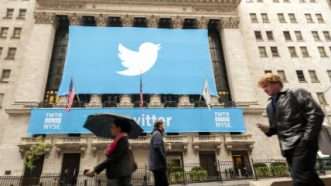
The idea that Twitter should be run by the federal government is silly. But perhaps the platform isn't best operated as a for-profit public corporation.

Perpetually raging about the world's injustices? You're probably overcompensating.
The attorney general claims he is willing to be refuted by science. His history suggests otherwise.

When transparency and government corruption can come from the same mechanism.
The Radio Act of 1927 has enjoyed a nice, long life. It's past time for a retirement party.


The future is rushing toward us. Unfortunately, the government wants to help.
"How can you stop software running on the internet?"
Celebrate your independence with a subscription to Reason magazine, your most trusted source of honest, insightful news and analysis.




