
Probing the Limits of Speech or Debate Clause Privilege for Perry and Pence
The January 6 invistigations have renewed interest in this somewhat obscure constitutional provision and the scope of its protections.

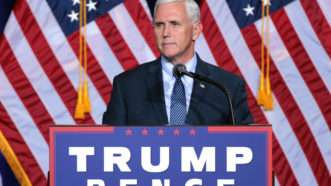
The January 6 invistigations have renewed interest in this somewhat obscure constitutional provision and the scope of its protections.

Although the law did not change, regulators suddenly decided to criminalize unregistered possession of braced pistols.
So the Florida Supreme Court held today.
Justice Department regulations threaten people with prosecution for failing to register even when their state no longer requires it.

The decision defends the separation of powers and the rule of law against an attempt to prohibit firearm accessories by administrative fiat.

The release of the former president’s tax returns sets a dangerous precedent.

The governor and attorney general say they’ll appeal to the state Supreme Court.
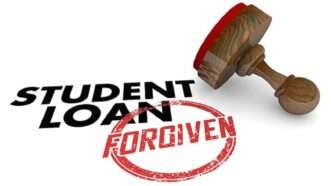
In the meantime, the justices left in place a lower court injunction against the plan. That probably doesn't bode well for the Biden Administration's chances of winning.
Congress should not forget that they can legislate in response to Supreme Court rulings.
Amendment 1 would grant public workers collective bargaining power over just about anything that affects them, ignoring the will of voters and lawmakers.
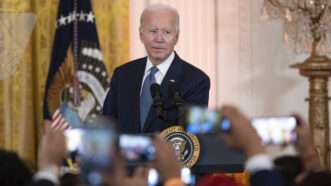
The lack of statutory authority is the main issue raised by legal challenges to the plan.

A federal judge denied PLF's motion to block implementation of the policy. But denial is "without prejudice," and PLF can quickly refile the case.

Originalist legal scholars Mike Ramsey and Mike Rappaport debate whether the major questions doctrine - an important theory underlying several recent Supreme Court decisions - can be squared with originalism or not.
Assessing an aggressive Fifth Circuit opinion declaring Securities & Exchange Commission proceedings unconstituional.

It is hard to see how, given the contortions required to deliver the unilateral prohibition that Donald Trump demanded.
Regulators imposed the ban based on a highly implausible and counterintuitive reading of federal law.
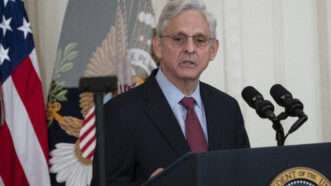
A federal lawsuit argues that the department's regulations violate due process, the separation of powers, and the First Amendment.
A belated 2021 lecture sponsored by the Georgetown Center for the Constitution
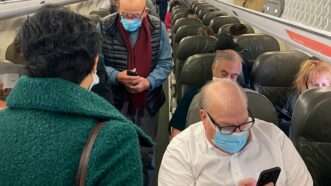
The Biden administration's main priority seems to be leaving the agency's authority vague enough to allow future interventions.

Clarifying the agency's authority could impede future power grabs.

The decision against the rule hinged on whether the agency had the power it asserted.
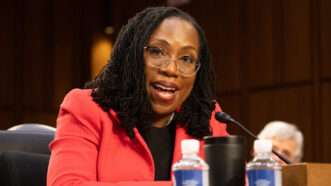
The Supreme Court nominee's critics say she clearly did, but several federal appeals courts disagree.

The eviction moratorium and Title 42 "public health" expulsion cases have many parallels that may have been ignored because of their differing ideological valence. Both strengthen the case for nondeferential judicial review of the exercise of emergency powers.
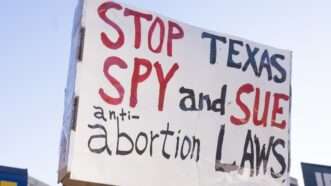
Although a Texas Supreme Court ruling ended the main challenge to the law, other cases could ultimately block its enforcement.
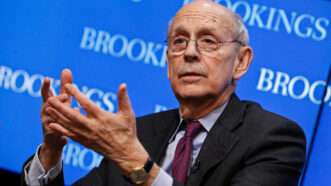
The question for the Supreme Court was not whether the policy was wise but whether it was legal.
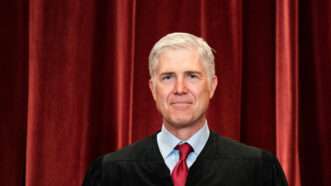
The crux of the argument is the distinction "between occupational risk and risk more generally."
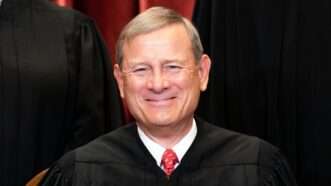
Most of the justices appear to be skeptical of the argument that the agency has the power it is asserting.
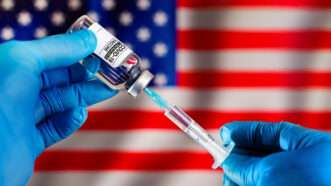
The argument hinges largely on what makes an emergency standard "necessary."
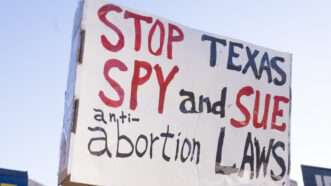
District Court Judge David Peeples focused on the law's "unique and unprecedented" enforcement mechanism rather than abortion rights.
The government argues that the 5th Circuit erred in concluding that the rule "grossly exceeds OSHA's statutory authority."

A unanimous three-judge panel concludes that the decree "grossly exceeds OSHA's statutory authority."

The appeals court said the rule, which was published on Friday, raises "grave statutory and constitutional issues."
Congress prepares to assert its investigative authority.
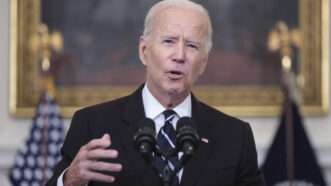
Some parts are both good policy and legally unproblematic. Others - particularly the mandate imposed on private employers - are legally dubious and would set a dangerous precedent if upheld by courts.
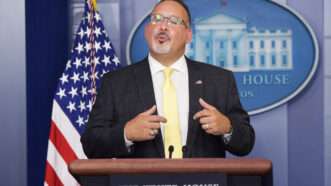
The president seems determined to anoint the agency’s director as the nation’s COVID-19 dictator, no matter what the law says.
The Court said it "strains credulity" to believe that Congress gave the CDC the "breathtaking amount of authority" it asserted.
This outcome was widely expected by legal commentators.
Interviewer Joe Selvaggi and I explore the constitutional and policy issues at stake.
If an eviction moratorium is needed, why wouldn't the legislature try to enact one?
Professor Matthew Steilen points to an interesting letter to St. George Tucker
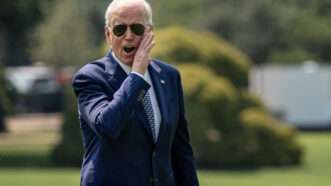
The administration issued the order even while conceding that it lacked the authority to do so.
It still covers some 90% of the country, and still rests on a theory of virtually limitless CDC authority. Even President Biden acknowledges the order is legally dubious.
The decision is based on the conclusion that the landlords failed to prove they suffered an "irreparable" injury. It upholds a trial court ruling denying a preliminary injunction to landlords challenging the moratorium.
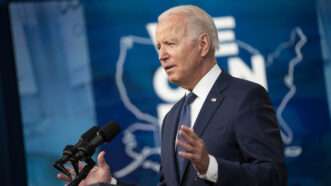
It could, if it actually had the vast public health powers that the Biden administration claims it does.
We can thank judges who were prepared to enforce constitutional limits on public health powers.
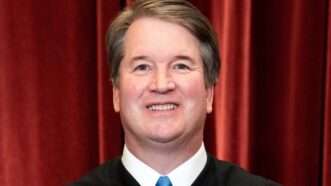
Brett Kavanaugh, who provided a crucial fifth vote, said he agrees that the CDC does not have the authority to override rental contracts.
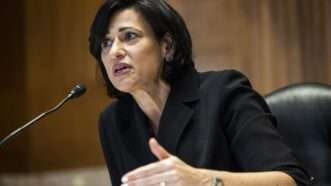
The agency’s legal defense of its eviction moratorium implies that it has vast powers to order Americans around.
Celebrate your independence with a subscription to Reason magazine, your most trusted source of honest, insightful news and analysis.




