
Trump's Aggressively Broad Executive Order on Transgender People
Like many of his other "Day 1" decrees, the order seems more concerned with scoring points in the culture war than advancing sensible policy.

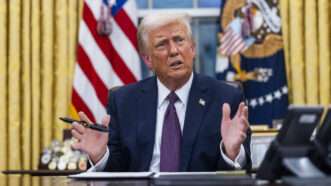
Like many of his other "Day 1" decrees, the order seems more concerned with scoring points in the culture war than advancing sensible policy.
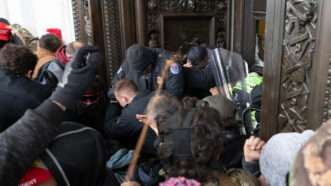
The Fraternal Order of Police mistakenly thought that the president "supports our law enforcement officers" and "has our backs."
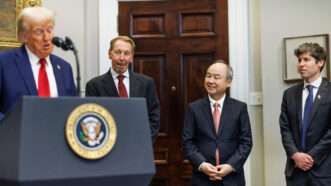
The dawn of a new golden age?
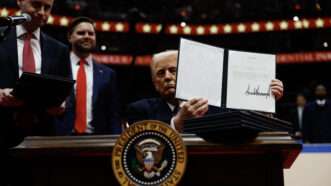
We have too much rule by decree by whoever currently holds the office of president and a pen.
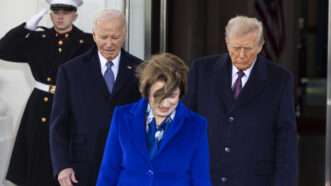
Biden’s preemptive pardons and Trump’s blanket relief for Capitol rioters both set dangerous precedents.
Plus: A listener asks the editors about the validity of using emergency measures to restrict movement during the L.A. wildfires.
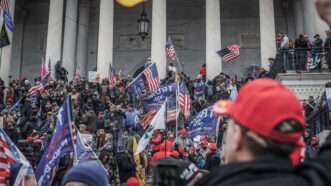
The president drew no distinction between people who merely entered the building and people who vandalized it or assaulted police officers.
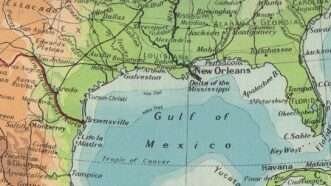
The most important thing in any name is not what some official institution or a collection of old maps says. Spontaneous order tends to rule the day.
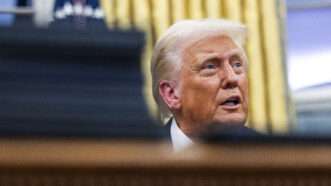
Children could be denied citizenship even if their parents are here completely legally.
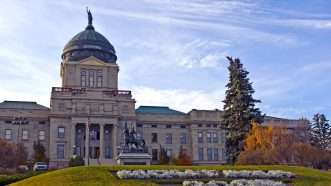
Lawmakers across the country introduce bills to strengthen private property rights, crackdown on out-of-control regulators, and get the government out of micromanaging stairways.
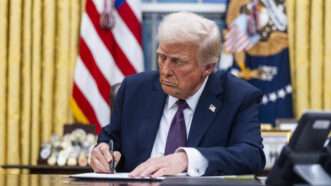
Domestic deregulation will decrease the cost of living. Trade barriers will do the opposite.
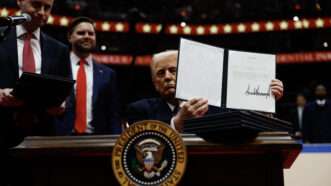
Plus: Pardoning the Proud Boys, revoking birthright citizenship, Elon Musk's not-a-Nazi-salute, and more...
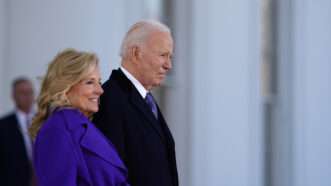
His last-minute acts of clemency invite Trump and future presidents to shield their underlings from the consequences of committing crimes in office.
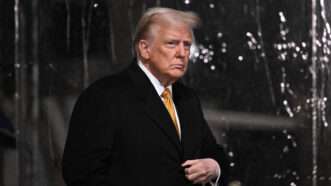
Several of his announced actions are likely to be illegal, especially some related to immigration.
Plus: Fauci preemptively pardoned, hostages released, Inauguration Day, and more...
My latest article with Michael Stokes Paulsen is in print
Dan Epps and I discuss Royal Canin v. Wullschleger and TikTok v. Garland on the latest episode of Divided Argument

The popular video app restored service in the U.S. after President-elect Donald Trump promised to postpone a federal ban.

Riley's murder was an atrocity. But the law bearing her name is a grab bag of authoritarian policies that have little to do with her death.
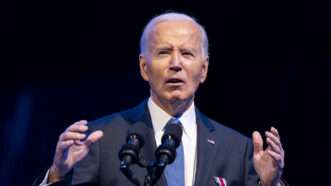
Biden announced today that the Equal Rights Amendment is the "law of the land," but the Justice Department and the national archivist disagree.
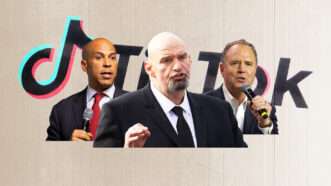
With just hours to go before it is set to shut down, many senators and representatives are still posting on the app they claim is too dangerous for the rest of us to use.

"I cannot profess the kind of certainty I would like to have about the arguments and record before us," writes Justice Gorsuch.

Why should an unpopular president shape so much policy on his way out?

Californians are turning to private firefighting and security, but officialdom gets in the way.
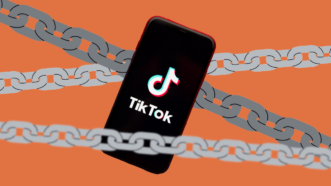
The Supreme Court appears poised to uphold a ban on the app, but many creators aren't so sure.

I can't stand big government, but I think we need something. Michael Malice says I'm wrong.

It shouldn't take a disaster for the state to consider fixing the rules that make it so expensive to building housing there.
Millions of Americans are denied legal representation, and law schools are churning out lawyers who can’t meet society’s needs. It’s time for a two-track system.

Increasing mobility and remote work make taxes an important consideration in where to live.
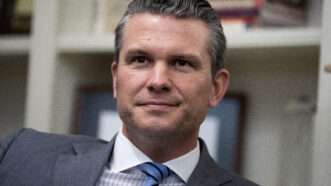
Plus: L.A.'s price gouging crackdown, more Rachel Maddow in your life, and more...

Ranked choice voting and nonpartisan primaries suffered a bad election cycle in 2024.

The California National Guard should be helping to put out fires, not helping to restrict people's freedom of movement.

Plus: Zuckerberg's metamorphosis, Trump's congestion pricing plans, and more...
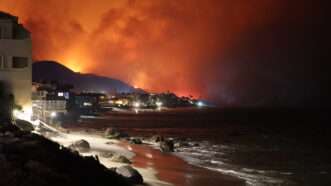
This year’s deadly wildfires were predicted and unnecessary.

Recent election results show the drug war’s punitive mentality still appeals to many Americans, even in blue states.

Restructured contracts may help franchises who have a certain competitive disadvantage.

How a 1949 Supreme Court dissent gave birth to a meme that subverts free speech and civil liberties
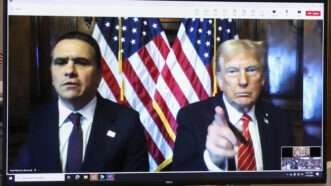
Despite some notable wins, the president-elect's overall track record shows he cannot count on a conservative Supreme Court to side with him.

Virtue-signaling is no substitute for disaster preparedness.

The last president to serve two non-consecutive terms stood against imperialism. Donald Trump could learn from his example.

The Rip Current podcast is a good reminder that political division and even violence are not new in America.
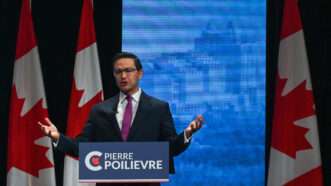
He says he wants to "stop growing the money supply and start growing the stuff money buys."
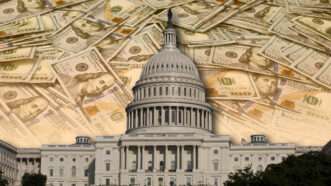
With inflation risks persisting and entitlement spending surging, the situation cannot be ignored. But we never should have gotten to this point to begin with.
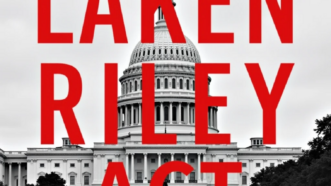
The act doesn't target violent criminals and sex offenders, and is likely to harm innocent people and divert resources from genuine anti-crime efforts. It also makes it easier for state governments to try to impede legal immigration.
A good example of why the D.C. Circuit's website upgrade was actually a step backwards.
Celebrate your independence with a subscription to Reason magazine, your most trusted source of honest, insightful news and analysis.




