
Trump Promised To Lower Prices. Will Congress Help Him Deliver?
At the current rate of inflation, the dollar will lose 33 cents of purchasing power within a decade.

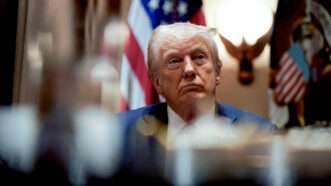
At the current rate of inflation, the dollar will lose 33 cents of purchasing power within a decade.

Dietary supplement bans for minors may spread—but they’ll be costly, confusing, and ineffective.
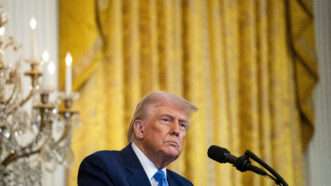
“I cannot ignore Congress’ detailed framework for refugee admissions and the limits it placed on the president’s ability to suspend the same,” said Judge Jamal Whitehead.
A useful example of how meaningful regulatory reform requires legislative action--and not just the passage of Congressional Review Act resolutions.

The ATF, charged with regulating firearms, has a history of abuse and incompetence.

The presidential adviser's lack of formal authority complicates his cost-cutting mission.

Whether or not a reasonable police officer violates clearly established law when he declines to check the features and address of his target house before raiding it is thus still up for debate.

Interim U.S. Attorney Ed Martin puts loyalty to Donald Trump ahead of loyalty to the Constitution.

From forest restoration to energy infrastructure, NEPA delays projects that would benefit the economy and environment.

Lawmakers in Arizona and California are attempting to overcome local resistance to meaningful starter home reforms.
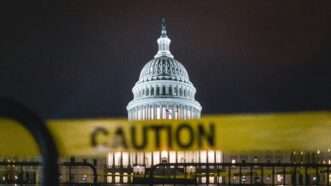
"If the Republican budget passes, the deficit gets worse, not better," says Rep. Thomas Massie. He's right.

If Trump wants to encourage domestic investment, his antitrust appointees should ditch their Big Tech prejudice.
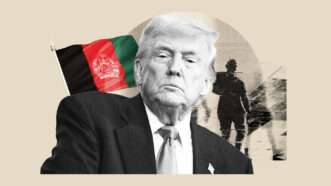
A former Afghan intelligence officer who worked alongside U.S. forces sought safety in America. Now, under the Trump administration’s immigration crackdown, his parole has been revoked, and he’s been detained without explanation.
Why is the Supreme Court issuing fewer summary reversals? Is Justice Barrett the reason?

Plus: German elections, how I almost got arrested this weekend, and more...

DOGE may not just save money; it may encourage honesty.

One perk that may materialize from Elon Musk upending the federal bureaucracy is the downfall of the government’s obsessive use of abbreviations.

The president is positioning himself to have much greater control over a smaller, enfeebled federal bureaucracy.

The move effectively retcons J.D. Vance's claim that legal Haitian immigrants were actually here illegally.

How well-intentioned laws created new cultural conflicts—and eroded personal liberty
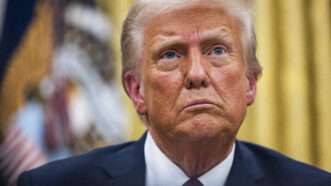
Plus: The Democratic Party's insecurities, protesting Trump via interpretive dance, the Yosemite locksmith, and more...
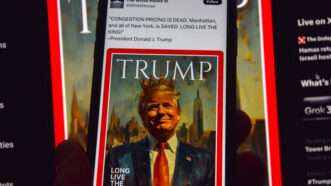
There's little question that Trump is taking the concept of the imperial presidency to its apogee.
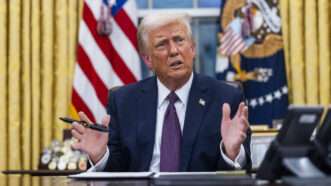
It tries to offset as much as $4.8 trillion—mostly for tax cut extensions—with only $1.5 trillion in supposed spending reductions.
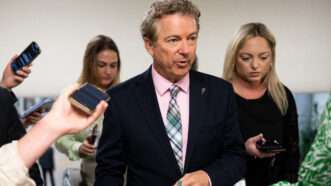
"The only way you get less waste is to give them less money to spend," says the libertarian-adjacent senator from Kentucky.

Elon Musk claims to have uncovered massive fraud within Social Security, but those data are already well known and not a major problem.
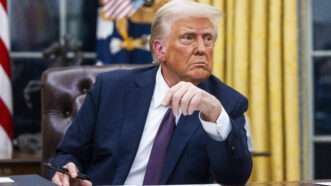
His position is grounded in concerns about the separation of powers that presidents of both major parties have raised for many years.
Plus: A listener asks the editors to guess if the real reason Donald Trump is so passionate about tariffs is because he sees them as a deal-making tool rather than a purely economic instrument.

Citing Reddit posts and podcast interviews, pseudonymous government employees are arguing that DOGE violated federal privacy regulations when setting up a government-wide email system.
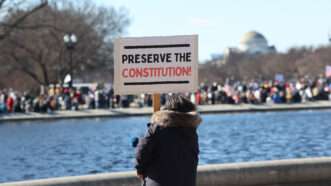
The federal leviathan can’t be dismantled by executive action alone. To truly cut spending and rein in the bureaucracy, the administration needs buy-in from the branch that built it.

From insurance to affordable housing mandates, California's regulatory noose tightens over wildfire rebuilding efforts.

Civil forfeiture allows the government of Hawaii to take your property and sell it for profit without proving you did anything wrong.

The agency—an unelected regulator with a blank check—has spent much of its short life making things harder for the consumers it set out to protect.

Nearly a dozen lawsuits allege that DOGE's access to government payment and personnel systems violates a litany of federal privacy and record-handling laws.

In Captain America: Brave New World, a power-hungry president makes reckless choices and withholds vital information—but even he looks competent compared to Biden and Trump.

Massachusetts outlawed flavored tobacco. Now, just as criminal justice groups warned, a vape shop owner is serving time.


The wildfires will be one of the costliest natural disasters in U.S. history. Hopefully they will also teach policymakers some lessons.

Maybe DOGE will succeed where the U.S. Digital Service (mostly) failed.
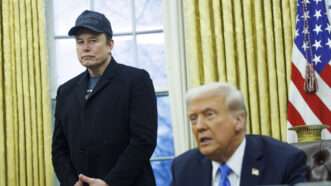
Even if the Department of Government Efficiency eliminates all improper payments and fraud, we'll still be facing a debt explosion—which requires structural reform.
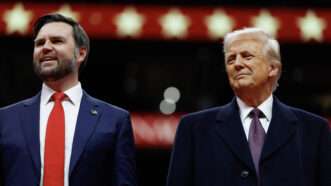
Vice President J.D. Vance believes presidents can ignore the courts in some situations. Are we heading for a constitutional crisis?

The pretend department’s downgraded mission reflects the gap between Trump’s promise of "smaller government" and the reality of what can be achieved without new legislation.
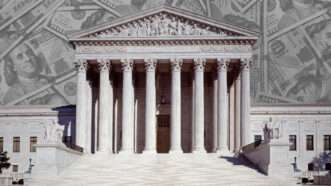
The administration may be moving in that direction. If it does so and gets away with it, the consequences are likely to be dire.

It's a good sign that the president is calling on critics of the federal government's lack of transparency to staff his administration.
Celebrate your independence with a subscription to Reason magazine, your most trusted source of honest, insightful news and analysis.




