
Demanding Charges Against His Enemies, Trump Conflates Justice With Revenge
The legal rationales for prosecuting James Comey, Adam Schiff, and Letitia James suggest the president is determined to punish them one way or another.

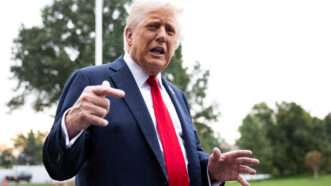
The legal rationales for prosecuting James Comey, Adam Schiff, and Letitia James suggest the president is determined to punish them one way or another.
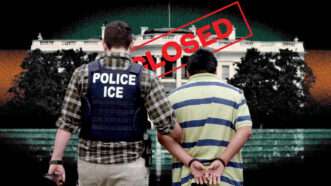
The Department of Homeland Security will retain 95 percent of its employees if the government shuts down and remain funded in large part by the One Big Beautiful Bill Act.
Take your opportunities for smaller government where you find them.

How to change the league so that owners, players, and fans are happier
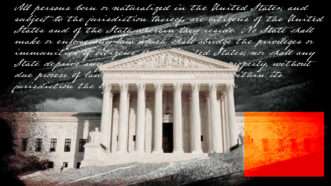
Plus: Justice Anthony Kennedy wrote a book.

Plus: the Comey indictment, Trump deploys the National Guard to Portland, Eric Adams exits New York City's mayoral race, and a listener asks about cyclical theories of history

The order lists "anti-Americanism, anti-capitalism, and anti-Christianity" as common threads among "domestic terrorists," though all are protected by the First Amendment.
Plus: Eric Adams drop out, Assata Shakur gets fawned over, James Comey gets roasted, and more...
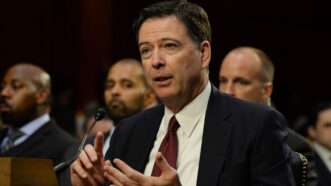
By demanding that the Justice Department punish the former FBI director for wronging him, the president provided evidence to support a claim of selective or vindictive prosecution.
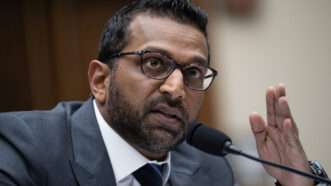
The FBI director's portrayal of the case exemplifies the emptiness of his promise that there would be "no retributive actions" against the president's enemies.
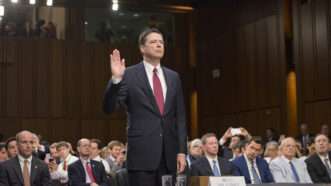
There is ample evidence to suspect prosecutors are just doing President Trump's dirty work rather than following the facts of the case.

From the Fairness Doctrine to Nixon’s “raised eyebrow,” government licensing power has long chilled broadcast speech—proving the First Amendment should apply fully to the airwaves.
Plus: Robert Munsch chooses Canadian healthcare, Argentina in trouble, ignoring Greta, and more...
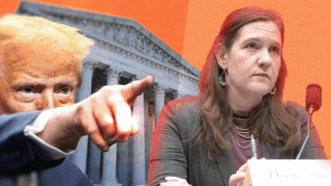
The Supreme Court will soon review the president’s authority to fire “independent” agency heads.

In her new book, 107 Days, the former vice president reminds us that she is ever the prosecutor.

Forcing the sale of a social media company for political reasons was always going to be a power grab for the White House—whether its occupant was Democratic or Republican.
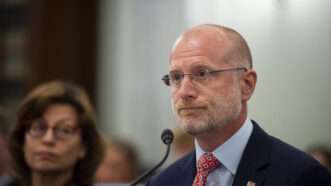
Congress placed the term in the law but chose not to define it, leaving that task for future regulators.
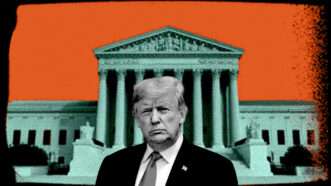
The president’s attempt to evade the major questions doctrine deserves to be rejected.

The plan violates the relevant visa law. If allowed to stand, it would significantly harm productivity and innovation.

A quiet push to declare “no safe level” of drinking has officially fizzled.

The latest ruling reminds us that terrorism statutes are mostly redundant.
Biosafety advocates worry the administration is backtracking on its promise to implement meaningful restrictions on the type of research that likely caused the COVID-19 pandemic.
Plus: Pam Bondi flunks free speech 101.
House Republicans passed a resolution that prevents Congress from ending the national emergency Trump is using to impose tariffs until March 31.
Whether he is waging the drug war, imposing tariffs, deporting alleged gang members, or fighting crime, the president thinks he can do "anything I want to do."

The president's new approach to drug law enforcement represents a stark departure from military norms and criminal justice principles.

Gloria Gaynor had almost finished paying off her house in Upper Darby, Pennsylvania. But she will not see a dime in equity.

The Supreme Court justice’s new book fails to practice the historical fidelity it preaches.

Federalism works best when state-level policy experiments stay contained.
Department of Veterans Affairs
What began as a simple hospital project has become yet another example of bureaucratic failure at the Department of Veterans Affairs
Should it be the interim docket? The emergency docket? The emergency orders docket? The short order docket? Something else?
The New York Times examines the "sharp partisan divides" on the Supreme Court's interim docket.

Florida Gov. Ron DeSantis promised that the federal government would reimburse the state for the costs of "Alligator Alcatraz," but doing so would make the detention facility subject to environmental reviews Florida ignored.

Crackdowns on AI chatbots over perceived risks to children's safety could ultimately put more children at risk.

George Retes was denied access to an attorney, wasn’t allowed to make a phone call, was not presented to a judge, and was put in an isolation cell before being released with no charges.
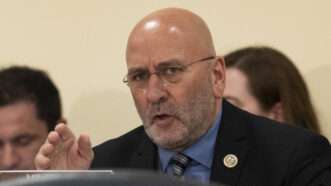
Louisiana Rep. Clay Higgins, who once opposed government jawboning, now says people should be banned from both social media and public life over their posts.
Federal judge allows "pattern or practice" claim of discrimination against Jews by coffee shop to go forward.
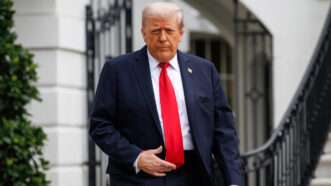
Equating drug trafficking with armed aggression, the president asserts the authority to kill anyone he perceives as a threat to "our most vital national interests."
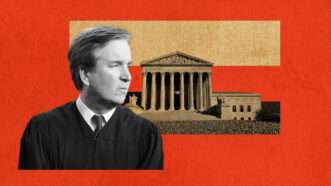
The justice’s stance on immigration enforcement is undermined by the facts of the case before him.
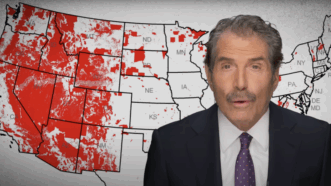
Selling just a fraction of the land would reduce our enormous debt.

Federal rules under the Endangered Species Act often treat landowners as adversaries. Recent court victories suggest a better way forward.
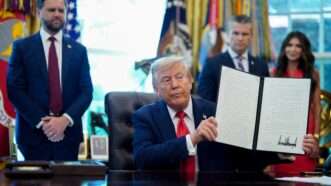
With Congress essentially AWOL, the courts offer the only real check on presidential power.

Two years after the state attorney general charged dozens of protesters with racketeering, a judge found the case unconvincing.
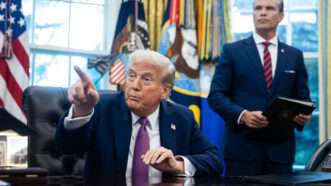
A billion-dollar rebrand won’t change the fact that defense hasn’t meant defense in decades.
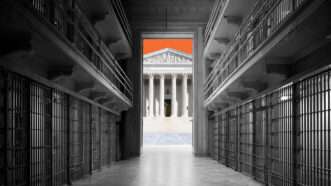
The Supreme Court will hear Landor v. Louisiana Department of Corrections and Public Safety this fall.
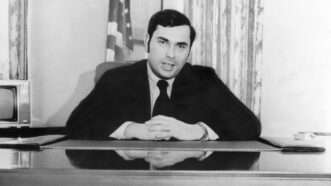
Nixon's director of the Office of Economic Opportunity set out to shrink government, mostly failed, and was gone in less than a year. Sound familiar?
Celebrate your independence with a subscription to Reason magazine, your most trusted source of honest, insightful news and analysis.




