


Health
Sixth Circuit Rejects Associational Standing in Medicare Drug Pricing Challenge
An easy way to avoid the merits in the latest high-stake health care litigation.

RFK Jr. Shifts $500 Million From mRNA Research to 'Safer' Vaccines. Do the Data Back That Up?
The Health and Human Services secretary once again stands athwart biomedical progress yelling, "Stop!"

Does Mental Health Awareness Make Things Worse?
Illinois wants to give mental health screenings to elementary schoolers. Will that actually help struggling kids?

Upholding a Vaccine Mandate, the 9th Circuit Embraces an Alarmingly Broad Definition of 'Public Health'
The appeals court held that the government may require COVID-19 shots based purely on the benefits to recipients.

Science Needs Dissent: NIH Director Jay Bhattacharya on COVID, Autism, and Climate Change
NIH Director Jay Bhattacharya defends open disagreement, criticizes groupthink, and argues that democracy depends on our ability to speak and listen across political and scientific divides.

We're Lying to Ourselves About Taxes, Spending, and the Debt
It's time to ask what level of spending Americans truly want with the money we actually have.

How Sports Tickets Got So Expensive—Or Did They?
Plus: regulating college sports, forgiving baseball’s legends, and Happy Gilmore 2
Abolish the U.S. Surgeon General
This “public health” position has long been a sinecure for professional activists.
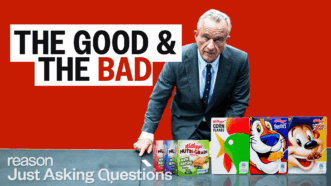
Gary Taubes: MAHA, Ultra-Processed Foods, and Bad Science
Science journalist Gary Taubes discusses the MAHA Report, new dietary guidelines, and bad nutrition science on the latest episode of Just Asking Questions.

Thomas Massie's New Bill Would Let People Sue Pharma for COVID Vaccine Injuries
Federal liability protections currently prevent people suing COVID-19 vaccine makers, and instead require them to request compensation from a program that's covered only 39 COVID vaccine injury claims.
Should the U.S. Have a Public Health Insurance Plan?
Yale’s Jacob Hacker and Sesame’s David Goldhill debate a government-run health insurance plan.

Although Meth Is Irresistible, The New York Times Says, Addicts Often Prefer Small Cash Rewards
The success of "contingency management" belies the notion that addiction is an uncontrollable disease caused by a drug's impact on dopamine levels.

Debunking the 100,000 Medicaid Deaths Myth
Partisan pundits are misreading statistical estimates and misrepresenting the science to suggest that Trump's Medicaid cuts will kill 100,000 people. That claim doesn’t survive scrutiny.

Arizona Just Created, Then Defunded, an Independent Watchdog for Its Troubled Prison System
Criminal justice reform advocates are still hopeful the office can secure outside funding and bring much-needed transparency to Arizona's prisons.

The 'Big Beautiful Bill' Expands Health Savings in a Rare Policy Win
In a bill packed with spending, one provision offers real gains for health care choice and savings.

ICE Is Snooping on Your Medical Bills
The immigration agency has reportedly gained access to a private database designed to fight insurance fraud.
The Insanity of Trump's Big Beautiful Bill
Plus: Trump's E.U. trade deadline, masked ICE agents, and Elon Musk's third party
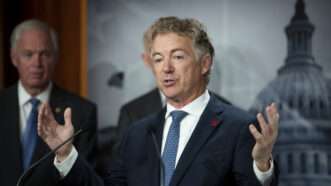
Republican Holdouts
Plus: Zohran Mamdani doesn't understand what New York's families need, Lia Thomas titles revoked, and more...

Medicaid Work Requirements Are a Short-Term Fix to a Long-Term Problem
A more effective reform is to let the market curb waste and reward innovation.

No, That Viral Study Doesn't Show You Can Improve Your Mental Health by Deactivating Instagram
While a viral post called the results “shocking,” the study itself found little evidence that social media use harms mental health.
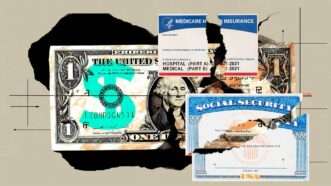
Social Security and Medicare Are Racing Toward Drastic Cuts—Yet Lawmakers Refuse To Act
Other countries have taken meaningful steps to address similar challenges. The U.S. has done nothing.

Why We Don't Worry About Scarlet Fever Anymore
The infection killed millions of people throughout history. Today it's considered a mild illness.
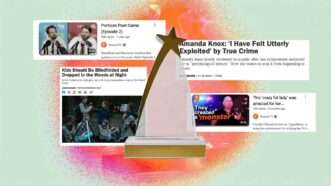
Reason Earns 15 Southern California Journalism Awards
First-place finishes include a piece on the Dutch "dropping" rite of passage, a documentary exploring citizen journalism and free speech, and a long-form interview with exoneree Amanda Knox.

Despite What Robert F. Kennedy Wants You To Think, Cell Phones Do Not Cause Brain Cancer
Unfortunately, the director of Health and Human Services leads a movement prone to untrue beliefs on medical matters from cell phones to vaccines, pesticides, and genetically modified crops.


Capping Student Loans Won't Destroy Medical Schools
Medical school is so expensive in the first place because of a policy that gives medical students unlimited access to loans.

Abortion Rates Keep Rising After Dobbs
Strict abortion bans do not seem to be seriously stopping abortions.
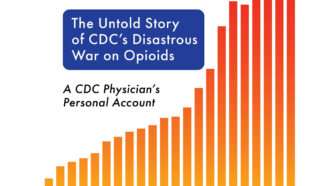
Review: A Doctor Changes His Mind About Opioid Prescriptions
In Greed to Do Good, a former CDC physician calls the agency's war on opioids a disaster.

SCOTUS Upholds Tennessee Law Banning Medical Transition for Transgender Kids
With the culture war blazing, not even the Supreme Court could agree on the medical facts of the case.
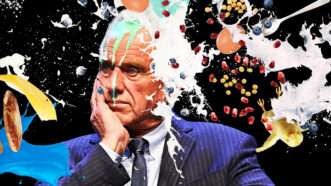
Trad Wives and Tallow Fries: How the Wellness Wars Flipped Health and Food Politics Upside Down
Does RFK Jr.'s MAHA movement want to loosen the government's grasp on food and medicine—or use government power to impose blueberries on everyone else?

Under RFK Jr., Vaccine Approval Is Getting More Politicized, Not Less
The Health and Human Services secretary appointed several anti-vaxxer-adjacent members to the Advisory Committee on Immunization Practices.

Texans Gain the Right To Try Individualized Medical Treatments
Ailing Americans are winning expanded freedom to try experimental medicine.

Everything Got Worse During COVID
By almost every measure, America during the pandemic was a more dangerous, deadly, and dysfunctional place.

How Making GLP-1s Available Over the Counter Can Unlock Their Full Potential
Drugs like Ozempic might not only address obesity but also alcoholism, smoking, and drug addiction.

Wait, Lilo & Stitch Is About Medicaid and Family Separation?
A strange sort of policy logic powers the new Disney remake.

RFK Jr. Denigrates Privately Funded Medical Research
The Trump administration has cut billions in federal funding for medical research, as Kennedy singles out private funders for criticism.
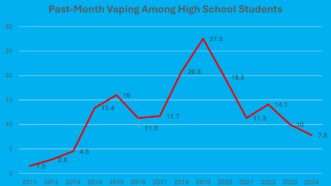
Trump Promised To 'Save Vaping.' His FDA Head Does Not Seem Inclined To Do That.
Marty Makary grossly exaggerates the prevalence of adolescent nicotine addiction, the concern underlying his agency's restrictions on e-cigarette flavors.

Come July, Keys Will Be De Facto Illegal In Minnesota
The vast majority of keys on the market contain more lead than is allowed by the state's strict new heavy metal standards.

Pregnant Women in Prison Aren't Getting Care, and No One Is Keeping Track
U.S. criminal justice policies have led to a 585 percent increase in the incarcerated women’s population since 1980 and have resulted in the highest female incarceration rate in the world.

RFK Jr. Plays the Hits
Plus: NYC can't build a damn park, violence against diplomats, worrying news from Anthropic, and more...
How Does the National Debt Affect You? A Budget Expert Explains.
Higher debt means lower wages, higher interest rates, and fewer opportunities, says Romina Boccia of the Cato Institute.

Trump's Prescription Price Controls Would Lead to Fewer New Drugs
The executive order is likely unconstitutional, but if implemented as written, it would be detrimental to the American health care market.
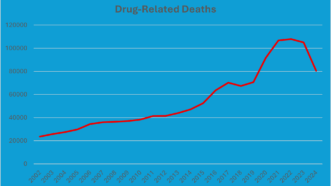
By Trump's Logic, Biden Deserves Credit for a Dramatic Drop in Overdose Deaths
That logic implausibly assumes presidents have the power to curtail substance abuse by attacking the drug supply.
The GOP Budget Is Big, Bloated, B.S.
Plus: A listener asks if the economic inequality data is bad.

Alton Brown on Cultural Appropriation, Ozempic, and the USDA
"If a Greek family starts a pizzeria, if a Chinese family straight from Beijing opens a hot dog shop, are they appropriating or are they just smart?" says the Food for Thought author and former Good Eats host.
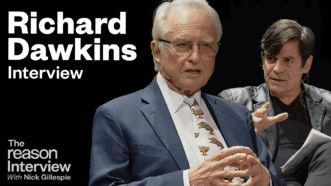
Richard Dawkins: Why Atheism Is Winning
The evolutionary biologist challenges modern dogmas, defends scientific objectivity, and warns against the rise of ideological orthodoxy in society.
Reason Nominated for 17 Southern California Journalism Awards
Nominees include stories on inflation breaking brains, America's first drug war, Afghans the U.S. left behind, Javier Milei, and much more.




