
Fight Fizzles Before Police Arrive; Cops Start Tasing and Arresting People Anyway
Cops were greeted by a calm scene, but the situation quickly erupted into chaos.

Cops were greeted by a calm scene, but the situation quickly erupted into chaos.
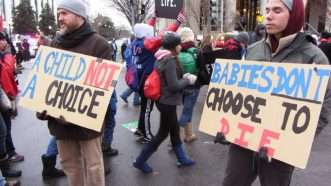
Friday, a federal district judge issued an injunction against the ban.
Opposition to Kavanaugh stems from a case that was decided the year Kavanaugh was born and was argued by professors from the law school from which he graduated.

A libertarian-leaning federal judge and a liberal Supreme Court justice both make the case against qualified immunity.
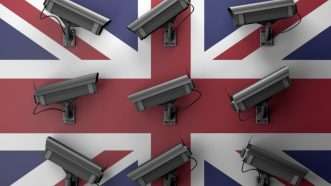
U.K. government officials insisted they didn't collect and store communications data of Privacy International. Turns out they did.
So the Ninth Circuit held, applying the reasoning from the Slants case (Matal v. Tam).
The logic of a recent Second Circuit decision suggests that they do.
The right-wing politician faces prosecution and psychiatric examination for posting pictures of ISIS atrocities.
The irony is that she's protesting authoritarian police behavior.

Plus: why Gary Johnson will be good for the Senate, "toxic culture" at the TSA, the dismissal of an anti-FOSTA lawsuit, and a new economic freedom index.
A conservative publication had already filed such a motion; Ellison is the candidate for Minnesota Attorney General, and Deputy Chair of the Democratic National Committee.
Will it stop toxic behavior or just encourage more demands for censorship?
They got plenty of attention, but that's about it.

Ilya Vett claims he was making the gun as a "gift" for his brother. But he was still arrested and charged with attempted criminal possession of a firearm.

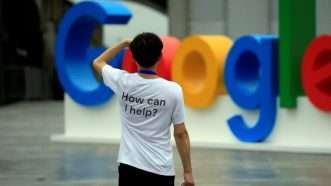
The tech giant appears willing to do almost anything to win access to the vast Chinese market.

Criminologist Gary Kleck debated Paul Helmke, the former president and CEO of the Brady Center, at the Soho Forum.

The PATRIOT Act fell out of fashion-but swap "human trafficker" for "terrorist" and let the civil liberties infringements roll!
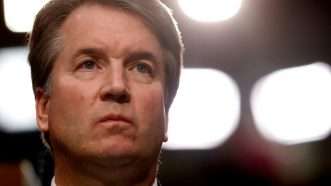
"If this were a legal proceeding, many (if not all) of the members of the [Senate Judiciary Committee] would have to recuse themselves."

There are lots of reasons to be concerned about government snooping, but how should we feel when private companies do it?
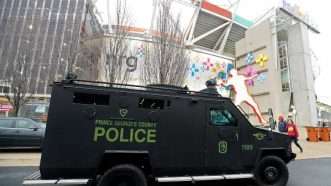
"You got the wrong address. Don't shoot my daughter."
A woman's case against the defendants who arranged the prosecution (a police department captain, who was her ex-husband and the target of her speech, and his friend who was a police investigator) can go forward.
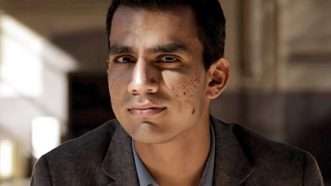
The head of Ideas Beyond Borders is translating books by Steven Pinker, Sam Harris, and others into Arabic and distributing them for free.
When she did post such a photo, she was arrested and prosecuted -- a remarkable case from two years ago, which I just learned about.
More on their unconstitutionality.
The government may not discriminate against businesses because of the political views the business (or its spokesman) has expressed.

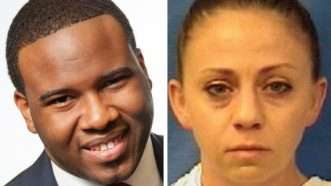
The protesters may have broken the law, but two nights behind bars is a bit much.
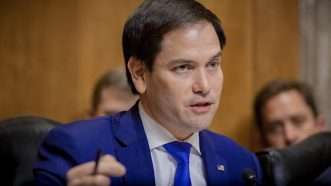
Inviting followers to harass this man violates the platform's terms of service.

What happens when autonomous machines have "to choose between various shades of wrong?" A Q&A with defense analyst Paul Scharre.
And the guidelines for spying on journalists may be even looser under Trump.
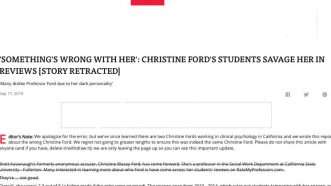
The perils of poorly sourced stories
The Supreme Court's decision in Tinker is viewed as the high-water mark for students' First Amendment rights, but Justice Black's strident dissent-not the majority-spoke for most Americans at the time.

Online platforms will be subjected to a costly, easily-abused system that will likely pull down legal content.

"Solutions won't come from new laws from Washington, D.C., or from a speech police at the U.S. Department of Education."

His enterprising operation illustrates the valuable role porous borders play in undermining restrictive laws.
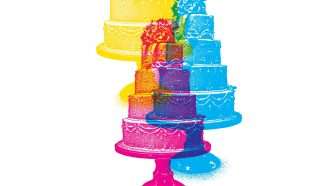
How should we feel about conscience-based discrimination?

The nation that gave the world John Milton and his cry for the "liberty to utter" is now at the forefront of shutting speech down.

The controversy might be two years old, but that didn't stop the Reno City Council from weighing in.
An NRA spokesperson correctly says marijuana is not "germane" to Jean's death but keeps bringing it up when discussing Castile's.
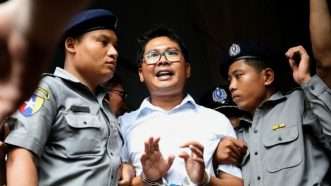

Since his whistleblowing, the United Kingdom has granted itself even more power to snoop on citizens.
Celebrate your independence with a subscription to Reason magazine, your most trusted source of honest, insightful news and analysis.




