
Trump's Election Interference in California and Alaska Prompts a Series of Judicial Rebukes
Four federal courts say the Trump administration is trying to usurp the states' constitutional authority over elections.

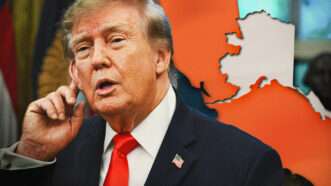
Four federal courts say the Trump administration is trying to usurp the states' constitutional authority over elections.
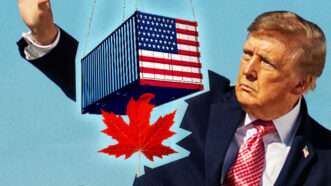
The import taxes fit a pattern of dubious legal rationales for the president's protectionist policies.
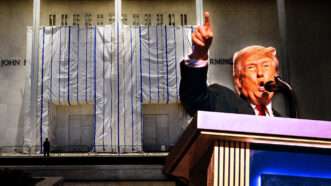
After a federal judge rejected his attempts at self-glorification, Trump said the building will "end up being ripped down" if he does not get the "recognition" he wants.
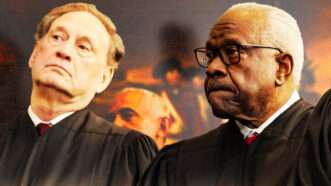
The conservative legal movement may be winning big at the Supreme Court. But Trump is not.
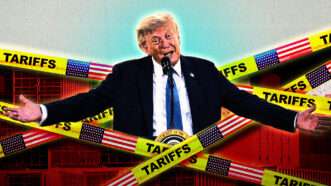
Their brief says the president is asserting "essentially boundless" authority to impose "economy-wide tariffs untethered from the statute Congress enacted."
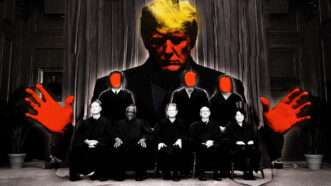
The president's latest tirade against recalcitrant justices reflects his open contempt for judicial review.
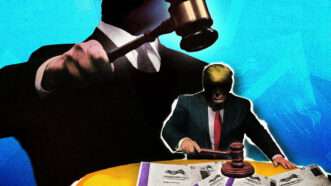
A notable legal defeat for the Trump administration
The Court rightly ruled the executive branch has no authority to restrict mail-in voting.
The brief explains why the Section 122 tariffs are illegal and run afoul of the major questions and nondelegation doctrines.
It seeks to usurp state and congressional power over election administration.
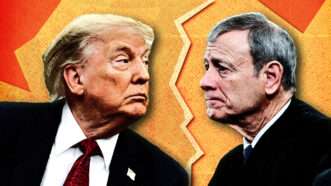
The chief justice finds himself in dissent in his latest showdown with the president.
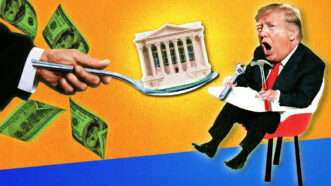
By unilaterally razing and replacing the East Wing, the president again shows his disregard for the rule of law and the separation of powers.
The majority didn't decide whether the construction violated federal law, only that plaintiffs' purely aesthetic interests didn't allow them to assert a federal claim.
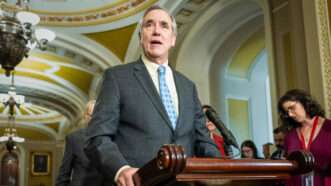
The Oregon senator's "For Our Republic Act" would check many of the president's abuses while preserving the powerful federal state he commands.
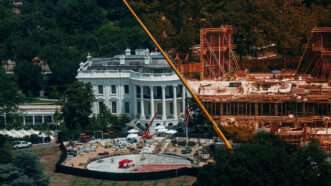
The Constitution assigns control of federal property to Congress, which never approved the president's demolition and replacement of the East Wing.
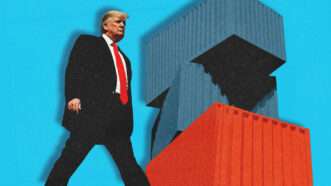
The president's latest round of broad import taxes, like the previous two, treats his statutory authority as an afterthought.
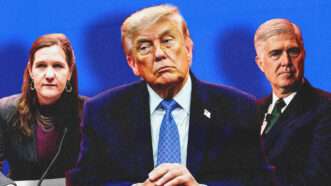
The Supreme Court has "no shortage of tools" to enforce the separation of powers, Justice Neil Gorsuch notes. "The only real question is whether we will use them."
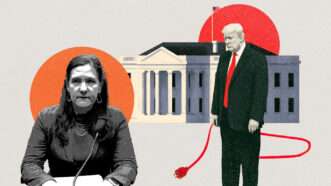
The Supreme Court extended presidential control over federal agencies. What could go wrong?
As expected, the Supreme Court overturns Humphrey's Executor, but reaffirms the independence of the Federal Reserve.
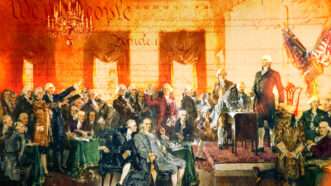
War making in "the power of a single man" is not what the Founders intended.
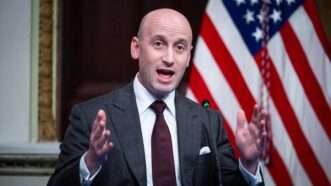
The proposal was nixed only after White House Staff Secretary Will Scharf explained why it was legally dubious.
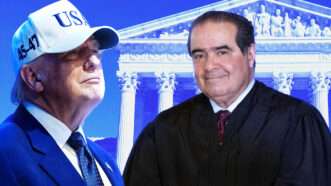
How a four-decade-old dissent may now help the president fire independent federal agency heads at will
Three different VC bloggers are among the speakers: Jonathan Adler, Keith Whittington, and myself.
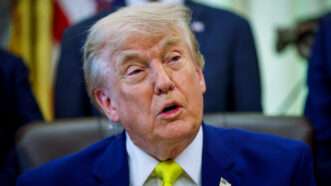
The president has repeatedly argued that courts have no business deciding whether his actions are legal.
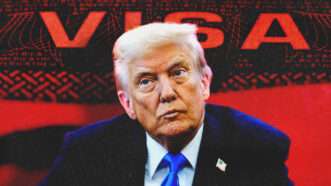
U.S. District Judge Leo Sorokin struck down the fee, saying it exceeds the president's statutory authority and violates the separation of powers.
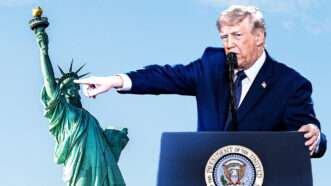
It's the latest example of Justice Department attorneys claiming broad and unreviewable powers for the president.

The D.C. Circuit is reviewing an injunction issued by a judge who said "no statute comes close to giving the President the authority he claims to have."
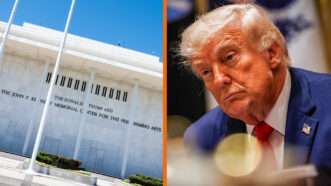
The president tramples the rule of law in his rush to glorify himself.
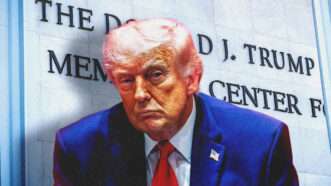
The decision is a modest but welcome victory for the rule of law.

Johnson is seemingly incapable of standing up to the Trump administration, even when one of Congress' core responsibilities is at stake.
It limits executive power grabs in this field, as well as others.
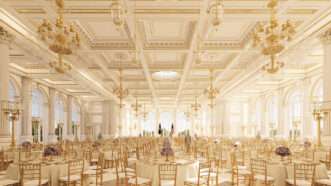
The brief, which asks a federal judge to reconsider an injunction blocking the project, reads like it was transcribed from the president's Truth Social account.

The Justice Department is permanently blocked from prosecuting Californians who fail to register when the state no longer requires it.
Adler v. Shugerman on the Supreme Court's handling of separation of powers concerns on the "shadow docket."
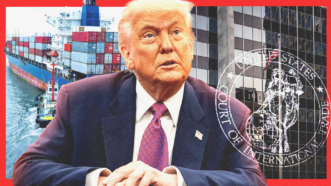
The Court of International Trade is weighing the legality of the import taxes that the president wants to impose under Section 122 of the Trade Act of 1974.
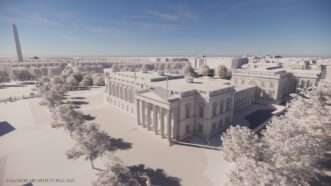
"No statute comes close to giving the President the authority he claims to have," U.S. District Judge Richard Leon concluded when he enjoined the project.
The Trump administration keeps trying to find legal loopholes, but the will of the people is the final judge of any major policy.
There was little rhyme or reason to the president's "emergency" tariffs, which fluctuated wildly depending on his mood.
The president's predictions of the nation's imminent demise reflect his narcissistic authoritarianism.

The president and his new DHS secretary are enraged by jurists and legislators who refuse to toe the party line.
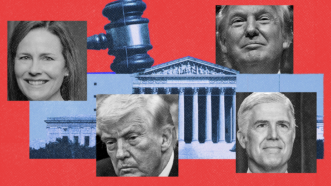
The president says federal courts should not make decisions based on partisan considerations unless it benefits him.
The president’s invocation of Section 122 conflates a trade deficit with a balance-of-payments deficit.
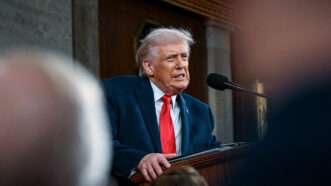
The president's wildly inaccurate ideological labels are no more meaningful than his other ad hominem attacks on people who disagree with him.
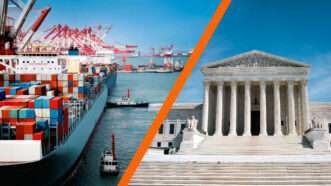
Although Trump has other options for taxing imports, the justices reminded him that he needs clear congressional authorization.
The president is relying on a provision that the government's lawyers said had no "obvious application" to his goal of reducing the trade deficit.
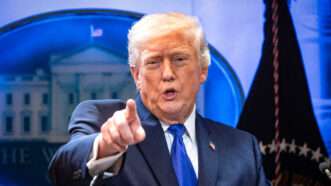
The president neither understands nor appreciates the vital role of judicial independence in upholding the rule of law.


New from Reason: a look into what Javier Milei has accomplished and what it will take to make the most of Argentina’s window for real change. Out now for subscribers.

