
Brett Kavanaugh and Ben Sasse Talk About Overturning Supreme Court Precedent
A revealing exchange between the SCOTUS nominee and the Republican senator.


A revealing exchange between the SCOTUS nominee and the Republican senator.
The state pays (and generously) to avoid the pending cert. petition in Allah v. Milling
While all eyes focused on the Kavanaugh hearings (and an "anonymous" op-ed), a court heard argument in the latest ObamaCare challenge.
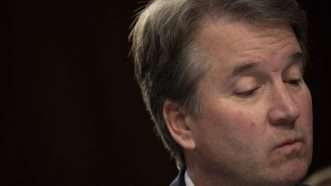
SCOTUS scholar Damon Root says Trump's nominee still hasn't answered pressing questions about government snooping and unchecked executive power.
The senator is miffed that the SCOTUS nominee thinks people have a right to own the guns she wants to ban.
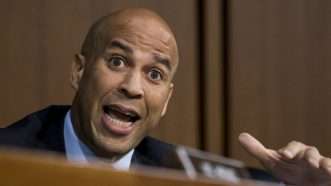
Booker's totally not running for president or anything.
The Supreme Court nominee recites precedent instead of explaining his views.
An important new book by my colleague Justin Driver, which should be of interest of all who follow constitutional law
A great set of colloquies on originalism, the Federalist, and human imperfection.
Parents of school shooting victims lash out over Supreme Court nominee Brett Kavanaugh, but the more troubling responses are from U.S. senators.
"Justice Kennedy established a legacy of liberty for ourselves and our posterity."
"A lot of people are concerned about this administration."
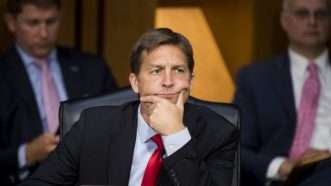
"Government is about power. Government is not just another word for things we do together," said Sasse.
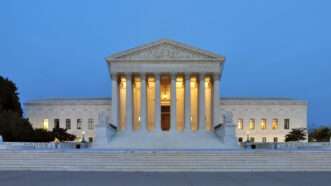
Claims that Kavanaugh is outside the legal "mainstream" are misguided, and mostly just reflect growing partisan polarization over legal issues. The real danger is not that we will have non-mainstream Supreme Court justices, but that some mainstream ideas are badly wrong.

Before demanding censure or intervention, take a step back from the Twitter machine and ask yourself whether anyone really cares about this stuff.
This week's SCOTUS confirmation hearings are going to be a brawl.
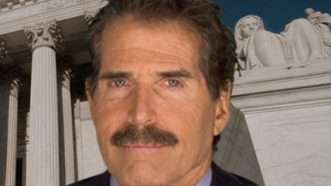
Judge Kavanaugh will mostly advance freedom, says Cato's Ilya Shapiro.
What the Senate Judiciary Committee should ask the Supreme Court nominee.

Of course, Gorsuch had his share of clashes with the liberal bloc too.
The Post has a symposium in which a a variety of legal commentators (myself included) discuss what they consider to be Judge Kavanaugh's most important opinions.

The Slants speak with Reason a year after winning the right to use their own name.
I discuss the Kavanaugh nomination, originalism, and much more with Professors Dan Epps and Ian Samuel.
Don't assume Roe v. Wade will be safe with Justice Kavanaugh.
More Trump-era hyperbole from liberal pundits and politicians.
Liberal critics want the Senate to hit the pause button. Will it?

Masterpiece Cakeshop is back with a new lawsuit over another rejection.
Assessing the president's lower-court selections.
The justices show little interest in deferring to agency interpretations.
Noted appellate attorney Lisa Blatt on why she supports the confirmation of Brett Kavanaugh, and shows how we should evaluate judicial nominees from the other side of the aisle.
A new proposal to give Democrats additional Supreme Court appointments by temporarily increasing the size of the Supreme Court would cause much the same problems as conventional court-packing would.
"After meeting Judge Kavanaugh and reviewing his record, I have decided to support his nomination."

The Bill Clinton appointee's comments suggest she doesn't want Donald Trump to nominate her successor.
The Republican senator questions the record of the SCOTUS nominee.
Compelled Subsidies and the First Amendment -- a new article with co-blogger Eugene Volokh, forthcoming in the Harvard Law Review
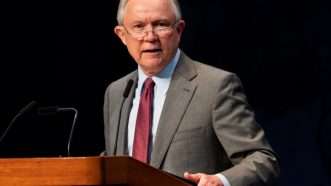
A rule covering immigration communications between state and federal officials may be unconstitutional.
The libertarian legal scholar explains the post-Bork landscape and what might derail Trump's high-court pick.
Political conflict over judicial confirmations may be harmful for the courts.
The 9th Circuit has endorsed a distinction that does not jibe very well with modern attitudes.

Award-winning movie about Susette Kelo's attempt to save house from a local government gone klepto is out on streaming and video-on-demand services.
In 1999, Judge Kavanaugh suggested that the Supreme Court case that forced Nixon to turn over the Watergate tapes may have been wrongly decided. But it's not entirely clear what he now thinks about the issue.
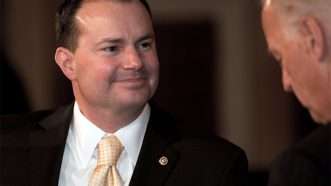
The way Congress crafts spending bills has "effectively disenfranchised almost 300 million Americans."

Surprising fallout from the Supreme Court's decision on agency fees
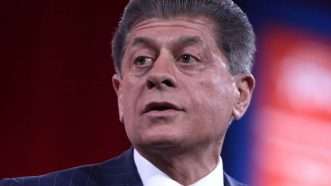
The most libertarian legal analyst on cable news dishes on Brett Kavanaugh, the end of his GOP, and his forthcoming new show.
The Supreme Court nominee's skepticism fades when cops and spies look for evidence without a warrant.
How will a Justice Kavanaugh approach administrative law cases?
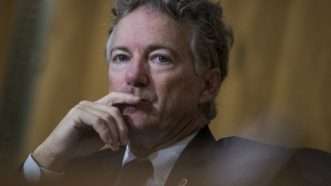
The Kentucky Republican is worried about Kavanaugh's record on the Fourth Amendment.
Celebrate your independence with a subscription to Reason magazine, your most trusted source of honest, insightful news and analysis.




