
New York's Controversial Anti-Swastika Law Turns Prosecutors Into Speech Police
Graffiti vandals are now being investigated for hate crimes.


Graffiti vandals are now being investigated for hate crimes.
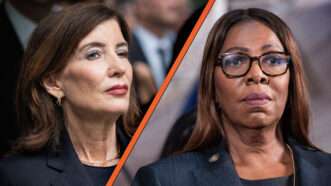
New York Gov. Kathy Hochul appointed a special prosecutor who has already implied that she sides with Jane Doe.
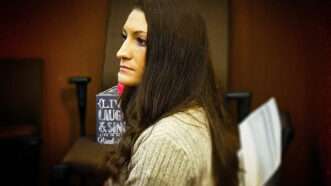
Just as a holdout may be a bulwark against wrongful conviction, a unanimous verdict is difficult to obtain by design.
Judge concludes "progressive prosecutor" Larry Krasner and a deputy engaged in unethical--and potentially unlawful--conduct in their zeal to undo a criminal conviction.
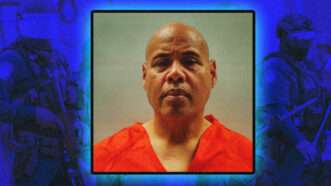
The habitually dishonest department uncritically accepted a story that was immediately contradicted by video footage and physical evidence.
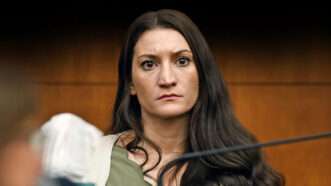
In the court of public opinion, there is little room for ambiguity here. But those who watched the trial know that reality is far less satisfying.
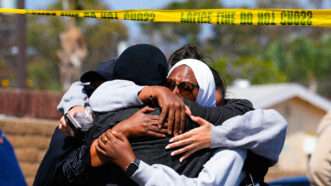
The case smacks of a desire for retribution that cannot be satisfied by prosecuting the actual killers, who committed suicide.
Misconduct and misrepresentations by Justice Department lawyers have led some federal judges to question the traditional benefit of the doubt they give to the government.
Trump still seems to think the question of individual guilt or innocence is irrelevant.
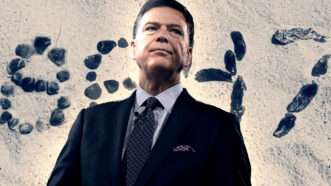
The Secret Service asserted a nonexistent "emergency" to track Comey's cellphone, and the FBI's evidence falls far short of proving his seashell picture was a crime.
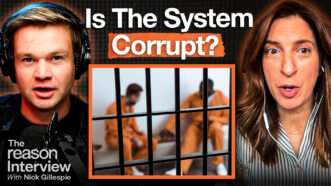
Pamela Colloff discusses the dangers of incentivized testimony, the difficulty of overturning wrongful convictions, and how the justice system compounds its own errors.
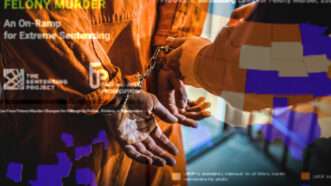
The Sentencing Project highlights the perverse consequences of the felony murder rule, a vestige of British law that still prevails in federal courts and all but two states.
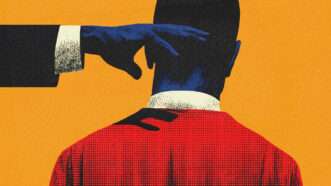
Half a century after approving coercive plea bargaining, the Supreme Court is beginning to recognize its costs.
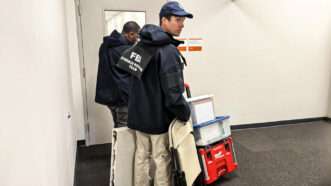
The decision rebukes the DOJ for demanding "private and sensitive" information about Georgia election workers "with no legitimate law enforcement purpose."
The justice criticizes the Court’s endorsement of coercive plea bargaining and its embrace of dubious Fourth Amendment doctrines.
"This indictment appears to be going way overboard, using a sledgehammer to address what might have been some infractions."
The Supreme Court ruled that "an agreement not to appeal a sentence is unenforceable when it would result in a miscarriage of justice."
The president’s habitual attempts to criminalize dissent hark back to tyrants of yore.
After a magistrate judge said a DHS investigator had failed to establish probable cause, the government decided it did not need the YouTube and iPhone records after all.
A judge last week threw out a criminal indictment against him on the grounds that it was tainted by vindictiveness. But that same spirit infects another part of his story that few people have discussed.
That defense applies only when an officer "reasonably" believed he was acting within his federal authority.
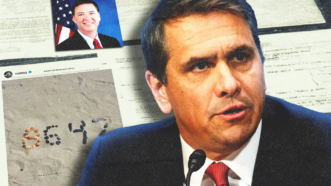
Acting Attorney General Todd Blanche implausibly claims prosecutors can prove Comey "knowingly and willfully" threatened to murder the president.
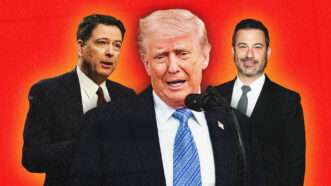
The president is not shy about using government power to punish people for saying things that offend him.
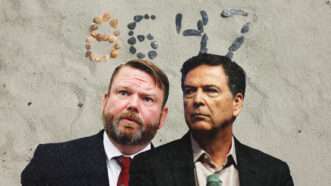
The case defies more than half a century of rulings on the “true threat” exception to the First Amendment.
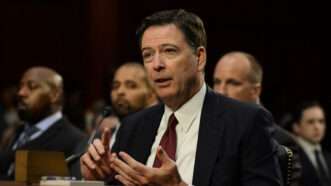
Such claims are hard for most defendants to prove. But most defendants haven't drawn the public ire of the president.
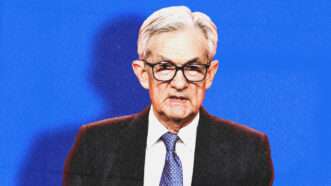
Even Republican critics of the Federal Reserve chairman's performance rejected the notion that he had broken the law by lying about the renovation of the central bank's headquarters.
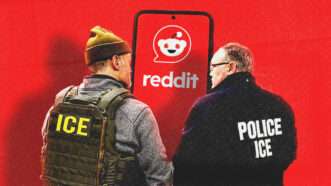
After withdrawing a summons in the face of a legal challenge, the government is seeking a grand jury subpoena.
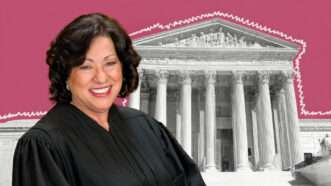
The justice dissented from the Supreme Court's denial of a petition from a Texas journalist who was charged with felonies for practicing journalism.
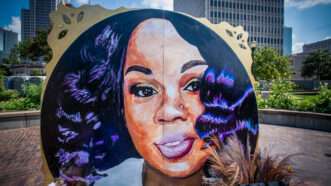
But for a fraudulent and misleading warrant affidavit, Taylor would not have been killed during a fruitless late-night drug raid.
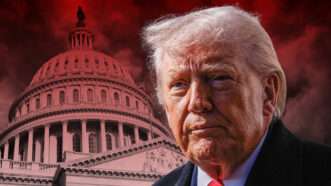
A grand jury and a federal judge rejected the president’s vendetta against legislators who produced a video about the duty to refuse unlawful military orders.
Department of Homeland Security
The department's pattern of dishonesty supports a presumption of irregularity.
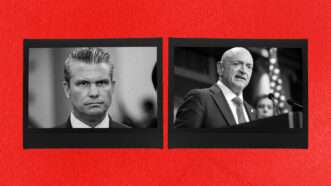
U.S. District Judge Richard Leon notes that Sen. Mark Kelly's comments about unlawful military orders were "unquestionably protected" by the First Amendment.
The Second Amendment protects your right to carry a gun at a protest.
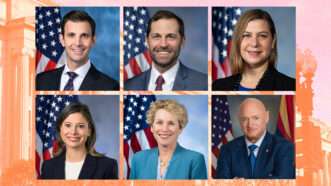
The president was offended by a video reminding military personnel of their duty to disobey unlawful orders.
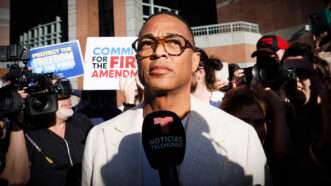
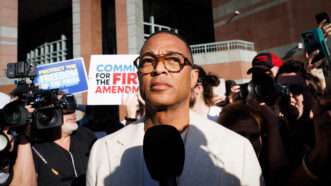
The federal case against the former CNN anchor hinges on conduct that can plausibly be viewed as part of a journalist's work, combined with the obvious partiality of that work.
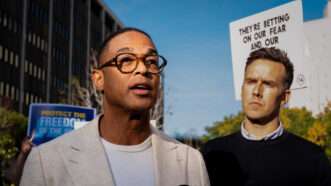
A federal indictment accuses him and another journalist of conspiring with protesters who disrupted a St. Paul church service.
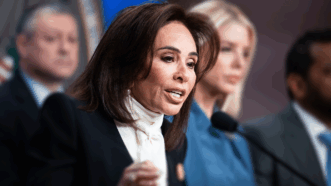
The prosecutor's threat renewed concerns about the Trump administration's commitment to protecting Second Amendment rights.
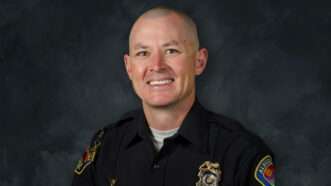
A recent guilty plea reveals a new wrinkle in a long-running corruption scheme that involved bribing police officers to make drunk driving cases disappear.
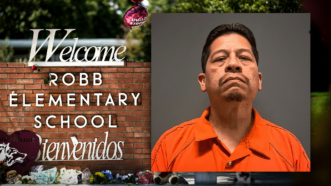
A Texas jury found Adrian Gonzales not guilty of endangering children by failing to confront the gunman at Robb Elementary School.
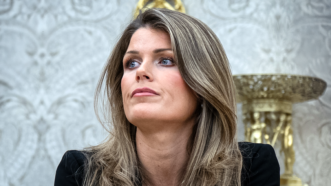
The lawyer, who delivered the grudge-driven indictments that the president demanded, refused to relinquish her job after another judge ruled that her appointment was illegal.
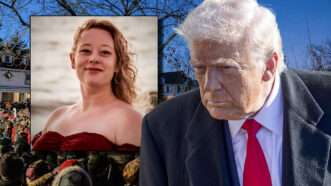
The administration's written policies make it likely that more people like Renee Good will be targets, and victims, of ICE.
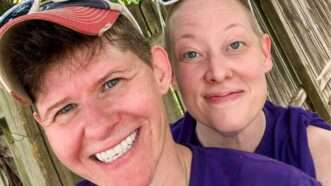
It is hard to see how, since that question hinges on what happened the morning that an ICE agent shot her.
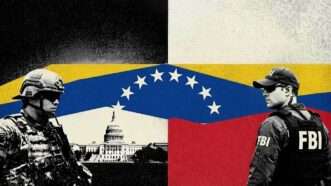
If an indictment is enough to justify military action, why bother seeking congressional approval?
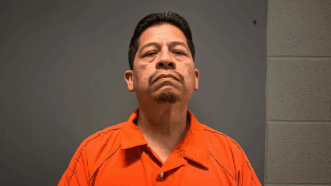
Adrian Gonzales is on trial for acts of "omission" that prosecutors say amounted to 29 felony counts of child endangerment.
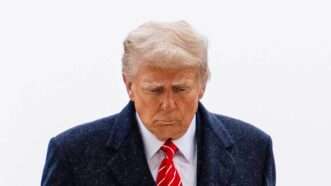
Even as the president blows up drug boats, the government routinely declines to pursue charges against smugglers nabbed by the Coast Guard.
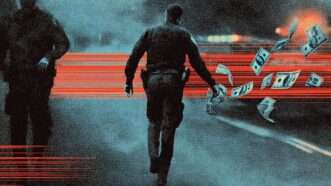
A guilty plea by a retired Albuquerque officer who served in law enforcement for more than 30 years illustrates the extent of the biggest police scandal in the state's history.

Keonne Rodriguez explains why he built a bitcoin privacy tool, discusses the federal charges that sent him to prison this week, and warns that his case could redefine the legal boundaries of financial privacy.
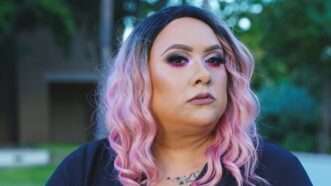
This is Priscilla Villarreal’s second trip to the Supreme Court, which last year revived her First Amendment lawsuit.
Celebrate your independence with a subscription to Reason magazine, your most trusted source of honest, insightful news and analysis.




