
The FCC Wants Warning Labels for Shows With 'Transgender' Content
But free speech advocates are pushing back.


But free speech advocates are pushing back.
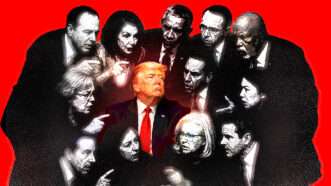
The president’s habitual attempts to criminalize dissent hark back to tyrants of yore.
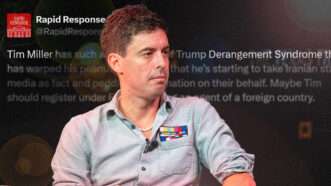
The Trump administration invokes the notoriously vague FARA to threaten a critic.
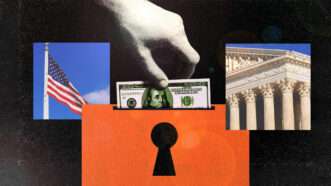
The federal government is still fighting to collect nonprofit donor information despite Supreme Court warnings that such demands chill free speech.

The Trump administration accused Francesca Albanese of “lawfare that targets U.S. and Israeli persons.” But a court said that’s not ground to seize her property.
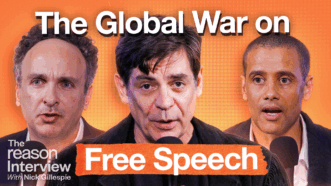
Jacob Mchangama and Jeff Kosseff discuss the global decline of free speech, why democracies are embracing censorship, and what can be done to protect open debate.
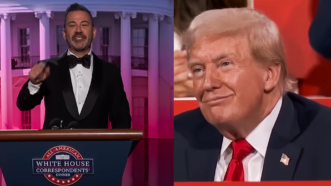
When he returned to the White House, Trump vowed to protect free speech from the government. The FCC's latest move against ABC and Disney looks like the opposite.
The feds have been demanding that tech companies identify the administration's anonymous online critics. That violates the First Amendment.

The platform creators filed a lawsuit claiming their First Amendment rights were violated after the Trump administration convinced Apple and Facebook to remove their content.
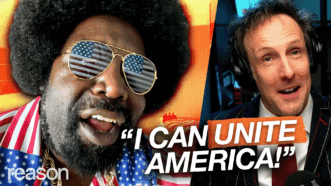
Afroman discusses his free speech court victory, why he thinks he could unite America, and whether he feels pressure to always be high.
What is a greater rejection of America's founding ideals than an overreaching government trampling the First Amendment?
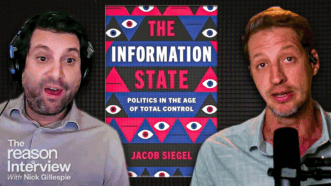
Jacob Siegel discusses how the internet reshaped political power, the rise of technocratic rule, and why information control keeps failing.
The president's predictions of the nation's imminent demise reflect his narcissistic authoritarianism.
Plus: The Pentagon prepares for possible ground troops in Iran, a listener asks how libertarians should answer the appeal of collectivism, and ICE descends on airports.
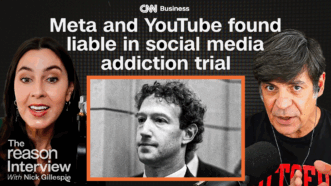
Tech journalist Taylor Lorenz discusses the Meta trial, the moral panic around social media, and the risks of regulating online speech.

Eight others were convicted on vague "terrorism" charges—causing serious concern among First Amendment advocates.

And Middle Eastern dictatorships are helping him do it.

More than eight decades ago, the Supreme Court invented a vague First Amendment exception that would-be censors continue to invoke.
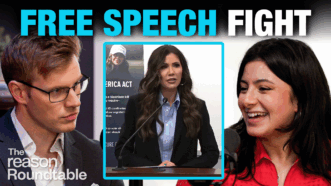
Plus: The FCC targets Disney and Comcast, new Epstein associates revealed, and Trump’s tariffs cause growing rifts with U.S. allies.

Plus: Olympic hockey almost didn’t happen, how to pad the medal count, and a reader survey on fixing the Olympics

A federal judge has set the date for the president's push to punish a news organization he dislikes, again.
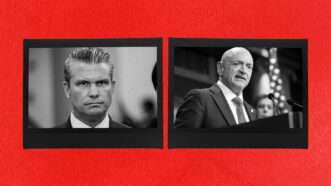
U.S. District Judge Richard Leon notes that Sen. Mark Kelly's comments about unlawful military orders were "unquestionably protected" by the First Amendment.

Those who blame Buckley for our current problems are wrong to do so. A contrary decision would have made things worse.
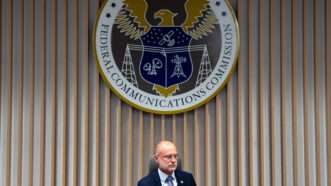
The constitutionally anomalous status of broadcasting invites government meddling.
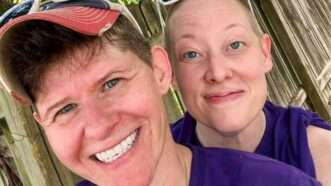
It is hard to see how, since that question hinges on what happened the morning that an ICE agent shot her.

Is Bari Weiss censoring 60 Minutes or improving its output?
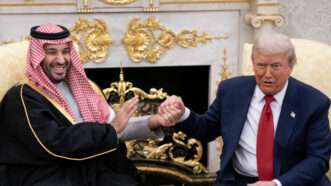
The president thinks TV networks have a legal obligation to cover him the way he prefers. The FCC's chairman seems to agree.
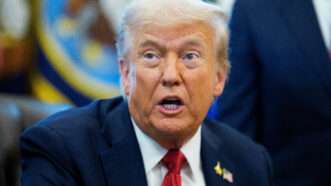
On Thursday, a federal judge dismissed a lawsuit that echoed Donald Trump's claims against the Des Moines Register and pollster Ann Selzer.
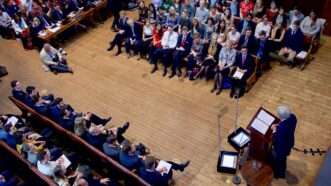
The murder of an American activist tore apart Britain’s hallowed free speech club.
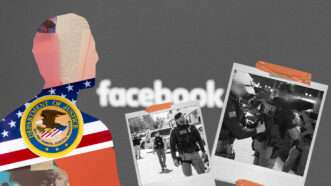
Meta is the third tech company in two weeks to succumb to DOJ pressure to remove apps and groups used to share information on immigration officer sightings.


New from Reason: a look into what Javier Milei has accomplished and what it will take to make the most of Argentina’s window for real change. Out now for subscribers.

