
Are We Headed for Another Disaster With Fannie and Freddie?
If the Trump administration fails to implement real reform, Main Street taxpayers could once again be conscripted into subsidizing lucrative Wall Street deals.


If the Trump administration fails to implement real reform, Main Street taxpayers could once again be conscripted into subsidizing lucrative Wall Street deals.

The federal government will reportedly get a "golden share" in U.S. Steel, potentially allowing it to overrule shareholders on some decisions.
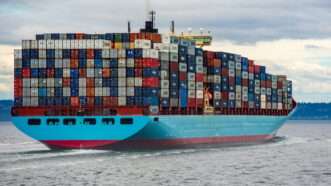
The debate over free trade should include more than the costs of Trump's tariffs versus the value of cheaper stuff.

Whether due to tariffs or because they are made in America, the result would be much higher prices.

The more important the product—and food certainly ranks high on any list—the better it is to allow markets to work.

"It's hard to see how completely ripping [the system] apart will be helpful to consumers," warns one economist.

Subaru says it has "adjusted its pricing in response to current market conditions," but we all know what that means.

Scenes from a trade war.
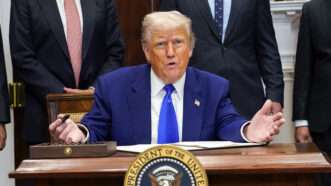
The administration shows no coherent commitment to free market principles and is in fact actively undermining them.
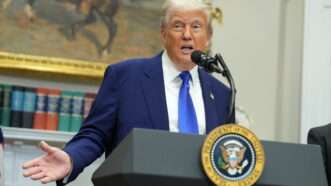
The White House calls it "the art of the deal," but a 30 percent tariff on imports from China is economically damaging and constitutionally dubious.
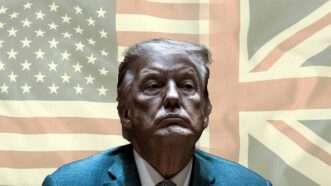
Residents of the United Kingdom will get lower tariffs, while Americans are stuck paying higher ones.
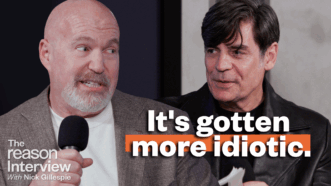
Co-founder of AQR Capital Management, Cliff Asness, discusses the decline of market efficiency, the dangers of populist economics, and his libertarian outlook on capitalism.
America is not a department store. And no successful department store would be following Trump's antitrade strategy.
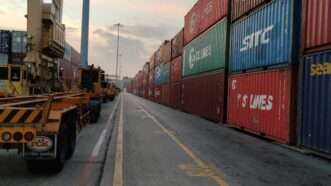
Sex toys, blenders, baby strollers, microwaves, hair dryers, and other affordable goods that Americans take for granted could soon be in short supply.
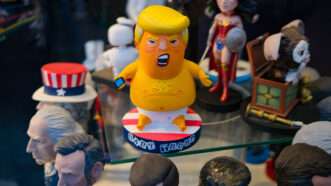
Trump's comment about how "dolls" will "cost a couple of bucks more" is the latest in a long trend of nationalist conservatives disparaging affordable stuff.

The Justice Department is pursuing an antitrust policy inspired by Oren Cass and members of the New Right.

Sen. Rand Paul's attempt to end the non-existent economic emergency failed to pass the Senate on Wednesday night.
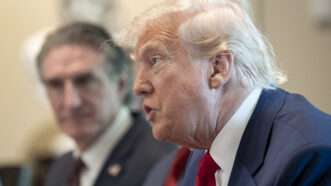
"Maybe the children will have two dolls instead of 30 dolls," Trump said Wednesday. "And maybe the two dolls will cost a couple bucks more than they would normally.”
Plus: A listener asks about possible book club books that are "subtly libertarian."

A sharp decline in ocean freight from China during April is a sign of the supply chain issues that will begin hitting in May.

Small businesses and a dozen states have filed a pair of lawsuits challenging Trump's authority to impose tariffs on board games, clothes, and lots of other things.
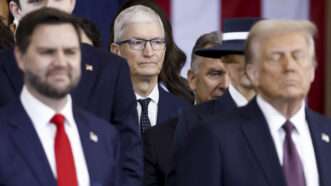
More lobbyists are spending more money to influence trade policy. The swamp is having a great time during the trade war.

Scenes from a trade war.

The White House's trade policy is totally scrambled.
Goldman Sachs estimates that the tariffs will create about 100,000 manufacturing jobs while destroying 500,000 others. In Pennsylvania, it's already starting.
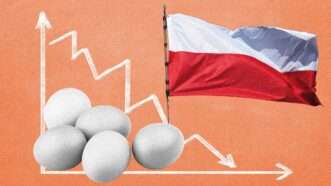
In the chaotic early days of Poland's "shock therapy," free market reformers measured their success by the falling price of this one basic commodity.
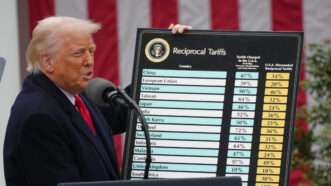
Even if Trump were a font of intelligence and wisdom (and he's not), no one person should be directing any country's economy.
Businesses are reporting fewer orders, lower inventories, less employment, and weaker expectations. The only thing going up: prices.

Plus: Paying college athletes, sports betting isn’t bad, and pickleball?

The stock market may look irrational, but it's repricing risk faster than ever. Sometimes, that's a feature, not a bug.
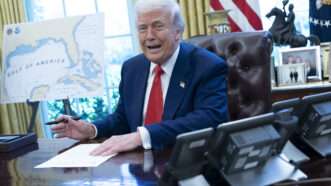
There were no deals. There were no wins. There was no plan.
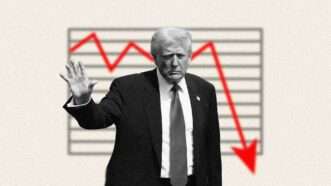
The president is raising taxes, hiking prices, and creating supply chain chaos. Congress should act quickly to stop this.
Plus: A deportation fight, pussy hats in Maine, antagonizing Brown University, and more...
With him in charge, it never stood a chance.
And he did it after Israel dropped all its tariffs on American goods.
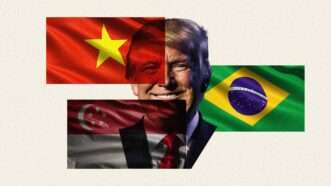
What tariffs on Singapore, Brazil, and Vietnam can tell us about how Trump misunderstands the value of trade.
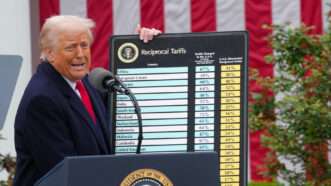
Lower-income families who spend the largest shares of their income on goods—and who have been badly hurt from the recent inflation—will likely suffer the most.

The bill faces an uncertain future, but it is a faint glimmer of hope for those hoping to limit executive power over trade.

As poverty and inflation plunge, Milei's reforms begin to reshape Argentina's economy.
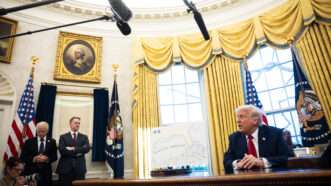
Polls of consumers and surveys of business owners suggest the White House has a lot of convincing to do.
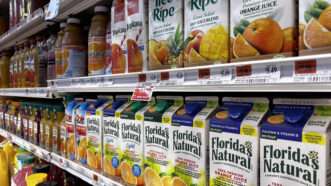
It's obvious that tariffs will harm American companies that import goods. But the losses don't end there.
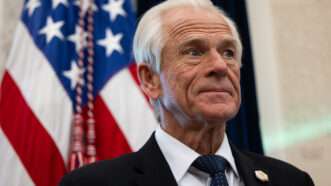
If true, then these tariffs would be the biggest peacetime tax increase in American history.
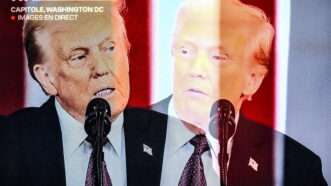
Two months after he was inaugurated, Trump has smashed many of the government's silly DEI rules. But he hasn't created a new age of meritocracy.

Consumers have long paid for daily goods with loans.
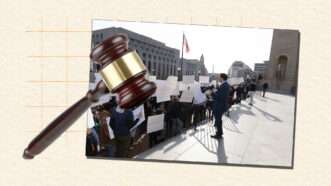
The D.C. Superior Court is fining Empower CEO Joshua Sear $5,000 for every day he keeps his ride reservation software operational in the city.

A quick lesson about concentrated benefits and diffused costs
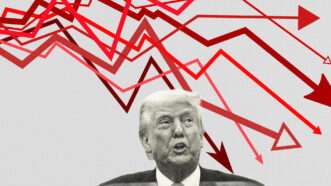
What did we learn from yet another escalation in the North American trade war? Not to do it again.
Celebrate your independence with a subscription to Reason magazine, your most trusted source of honest, insightful news and analysis.




