
US Court of International Trade Refuses to Stay Injunction Against Trump's Section 122 Tariffs
The decision means the injunction blocking collection of the tariffs will not be blocked while litigation continues.

The decision means the injunction blocking collection of the tariffs will not be blocked while litigation continues.

The Trump administration has come up with contradictory reasons to avoid admitting to an obvious, terrible mistake.

Perry County Sheriff Nick Weems preposterously claimed that Larry Bushart had threatened "mass violence" at a school.

The Trump administration thought it was repeating the Venezuelan model in Iran—when it was doing something much more ambitious and risky.
Plus: Makeup company better than the MTA, phones and the birthrate, Ebola spreads, and more...
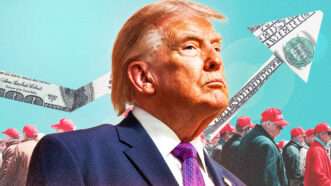
Trump's signature policies are pushing prices higher—and voters are pushing back.

If this is how the Republican Party treats the libertarian-leaning lawmakers in its midst, then libertarians should take note and act accordingly.
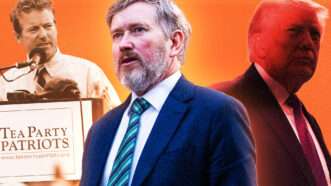
Whatever happens in Kentucky's GOP primary, the populist right no longer even pretends to care about spending or government overreach.
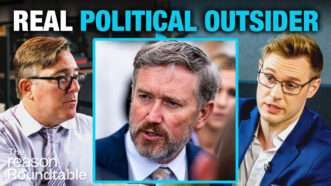
Plus: inflation surges, Mamdani claims he closed New York City’s budget gap without cutting services, and a listener asks how to develop political confidence
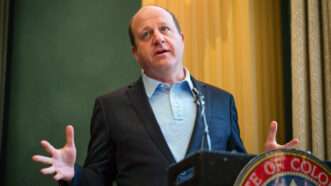
Colorado's governor agreed with a state appeals court that the former Mesa County clerk had been punished for her wacky beliefs about the 2020 election as well as her illegal conduct.
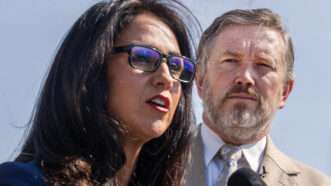
Plus: Ed Gallrein won't talk about his background, and Sen. Bill Cassidy bites the dust.

Partisan political actors have seized on a vague and unsupported "hush money" allegation.
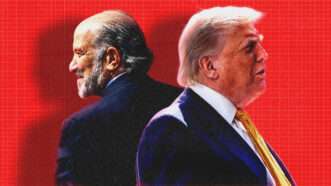
Central planning from Commerce Secretary Howard Lutnick, President Donald Trump, and others reflects a fundamental misunderstanding of what makes private markets work.
Should it take more than a 5–4 vote for the Supreme Court to strike down a federal law?

Sen. John Fetterman discusses the state of the Democratic Party, immigration, foreign policy, and the dangers of political extremism.
Plus: A new kind of seasteading, examining genocide claims, and more...
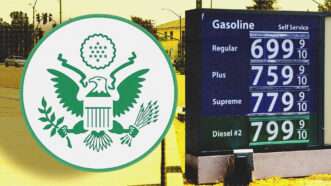
Instead of holding the president accountable, lawmakers are trying novel ways to reduce energy prices caused by Trump’s war in Iran.
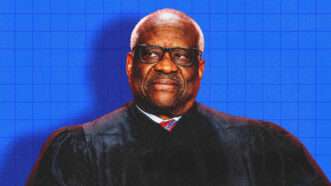
Plus: A "supremely cringe" viral tweet about the Supreme Court
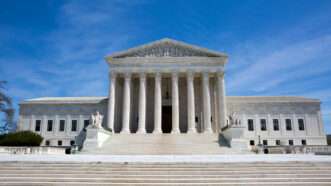
A recent YouGov poll shows the Court is likely less unpopular than before. The tariff ruling may have given it a boost. The poll has several other notable findings, as well.

The FCC chairman seems determined to impose a requirement that would amount to a ban on interviews with political candidates.

I will participate, along with Prof. Paul Finkelman, and Gabriel Chin.
The 2-1 decision concludes Trump's massive new tariffs are illegal because there is no "balance of payments deficit" of the kind needed to authorize them.
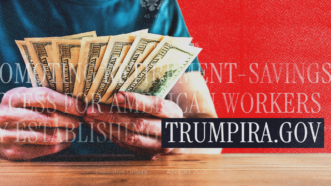
The fiscal objection is serious. But the deeper problem is that the proposal misunderstands the saving behavior of the households it aims to help.
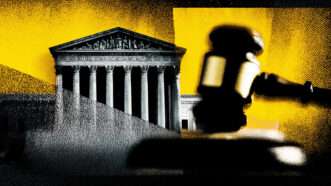
From immigration and guns to executive power, transgender athletes, and mail-in ballots, these are the Supreme Court cases to watch out for in May and June.
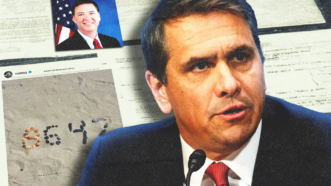
Acting Attorney General Todd Blanche implausibly claims prosecutors can prove Comey "knowingly and willfully" threatened to murder the president.

After trying to open the Strait of Hormuz by force, the U.S. is ready to accept an Iranian proposal it had rejected.
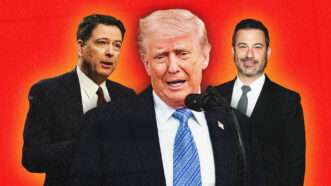
The president is not shy about using government power to punish people for saying things that offend him.

An initiative that would streamline California's development-killing environmental review law appears to be headed to the ballot.

Trump joins a long line of presidents unwilling to be transparent about the causes and goals of their adventurism abroad.

The case defies more than half a century of rulings on the “true threat” exception to the First Amendment.
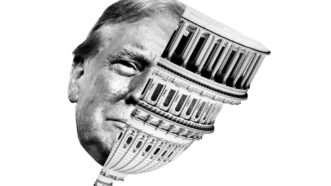
Congress hasn't voted to declare war since 1942, yet the legislative branch constantly refuses to rein in presidents.
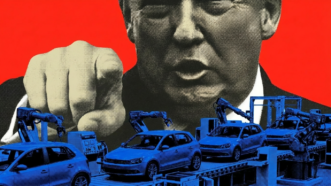
A trade deal that can be terminated by one person at any time and for any reason isn't really a trade deal at all.

Plus: Rudy Giuliani hospitalized, rules relaxed for foreign physicians, cities without children, and more...

As I saw at a recent conference, the two groups are similar in many ways. But there are a few notable differences.
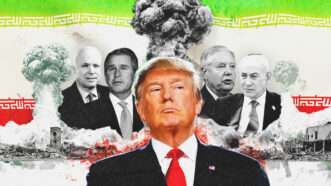
President Donald Trump and his predecessors spent decades putting the U.S. on a path toward war against Iran.
It limits executive power grabs in this field, as well as others.
Legally, Trump must either cease operations or ask Congress for approval. He did neither, and Congress just went on recess.

Cole Tomas Allen's actions just don't make sense, even in his own words, or in a time of political polarization.
A compilation of posts by various legal scholars, including myself.
The president had promised that private donations would cover the East Wing renovation.

The brief, which asks a federal judge to reconsider an injunction blocking the project, reads like it was transcribed from the president's Truth Social account.
Conservative legal commentator Gregg Nunziata outlines reasons why conservatives should reject broad views of executive power.
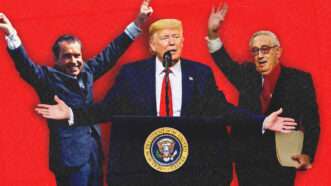
Trump is making the same mistakes Nixon did, doubling down on pointless threats to save face.

Even Republican critics of the Federal Reserve chairman's performance rejected the notion that he had broken the law by lying about the renovation of the central bank's headquarters.

Calls for more aggressive security measures evoke the post-9/11 security theater that brought us the TSA.
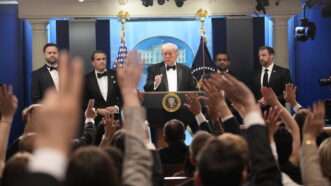
Plus: White House Correspondents' Association attacker was angry about strikes on Venezuelan boats and Iranian schools, another airline bailout could be coming, and more...

The agency issued "national priority vouchers" for the two drugs six days after President Donald Trump promised to facilitate approval of psychedelic therapies.
Celebrate your independence with a subscription to Reason magazine, your most trusted source of honest, insightful news and analysis.




