
Where Hillary Clinton's Marijuana Proposal Falls Short
Moving pot to Schedule II is weak tea compared to Bernie Sanders' support for repealing federal prohibition.


Moving pot to Schedule II is weak tea compared to Bernie Sanders' support for repealing federal prohibition.
Bad timing and objections to crony capitalism helped defeat Issue 3.

Canada and Mexico may beat U.S. to the punch on legalization.

El Paso Rep. Beto O'Rourke explains what the GOP frontrunner misses about Mexican immigrants (and everything else).
The decision could ultimately lead to decriminalization of cannabis consumption and home cultivation.
The bill, the first of its kind in the Senate, would let states decide whether to ban or regulate marijuana.
Low voter turnout and revulsion at crony capitalism contributed to the defeat of Issue 3.
Issue 3 is defeated by a margin of nearly 2 to 1.

Only the handicapper general would do such a thing.
It's not a perfect law by any stretch, but it would mean the end of the war on pot
Many legalizers are less than thrilled by the Buckeye State's marijuana initiative.
Repealing the national ban is a logical implication of federalism.
Concerns about timing and crony capitalism divide reformers.
Ohio's governor is also worried about "mixed signals" and "overdoses." Huh?
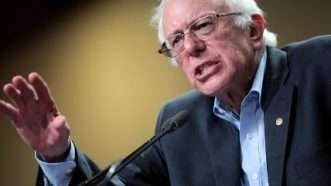
Leave it to the states, he says.
At least eight of the remaining 15 candidates think the feds should not interfere with state legalization.
As prohibition collapses, marijuana users are less likely to abuse the drug.
Legalization may improve marijuana's benefit-to-cost ratio.
Generational differences suggest support will continue to rise.
Liberal leader Justin Trudeau, the next prime minister, promises to "get started on that right away."
Why legalized marijuana is not "the same as Kim Davis"
A legalization initiative and a measure aimed at nullifying it both get majority support.
Both candidates seem to think our prisons are filled with pot smokers.
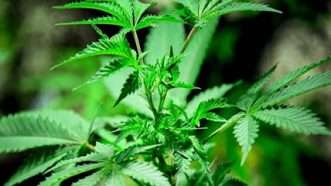
Weed is legal in Colorado. But it's illegal to consume it in most public locations.
Both candidates exaggerate marijuana's role in mass incarceration.
Clinton is still noncommittal on marijuana legalization, even though she mistakenly thinks most low-level, nonviolent offenders in prison are there for smoking pot.
Spending restrictions aim to stop interference with state marijuana and hemp policies.
The measure includes a generous home cultivation limit, and it does not define drugged driving based on THC levels.
The remaining defendants in the Kettle Falls Five case receive sentences ranging from 12 to 33 months.
Before state-licensed shops open next year, medical dispensaries get to serve recreational consumers.
Ben Nichols, who later changed the charges to misdemeanors, argues that the state's marijuana laws are needlessly confusing.
The Denver homicide that became a prohibitionist cautionary tale
After marijuana decriminalization, more is required to pull someone over.
Pot prohibitionists turn a Colorado homicide into a misleading cautionary tale.
A series of misunderstandings created the impression that the legislature had boosted penalties.
Probably not, but it's worrisome that the question confuses legislators, prosecutors, regulators, and the governor.
Drug warriors are desperate to show that repealing pot prohibition in Colorado was a terrible mistake.
The off-putting but accurate reference to the "exclusive rights" reserved for a cannabis cultivation cartel will remain.
An anti-drug task force is desperate to show that legalization in Colorado has been a disaster.
But even the New Jersey governor concedes "the war on drugs has been a failure."
Spurred by a general legalization initiative, the bills would explicitly allow commercial cultivation and distribution for the first time.
The backers prefer to negotiate a solution with city leaders.
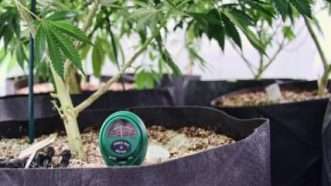
Warehouses in short supply.

The presence of THC does not necessarily indicate impairment.
Celebrate your independence with a subscription to Reason magazine, your most trusted source of honest, insightful news and analysis.




