

Law & Government
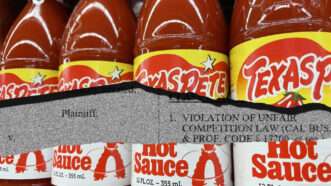
Texas Pete Hot Sauce the Latest Victim in Exploding Trend of Cynical False Labeling Lawsuits
A handful of law firms are behind a spike in class-action lawsuits claiming consumers are harmed by opaque, half-full macaroni boxes and "all natural" fiber supplements.

House Republicans Seek To Shield Kids From Talk About Gender, Sexual Orientation
Plus: Liz Truss resigns, declining internet freedom, new fentanyl seizure fuels Halloween candy panic, and more...

Markets Aren't Perfect, but Government Is Worse
The free market allows people to cooperate, fix errors, and adapt to changing circumstances.

Netflix Teams Up With the Obamas To Produce Big Government Propaganda
The G Word, a new documentary, only occasionally covers serious issues. But it opts not to do honest reporting.
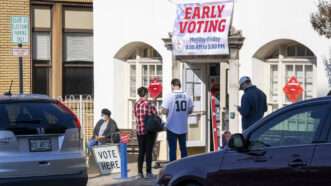
Georgia Sets Early Voting Record, Despite Controversial Voting Law
Many opponents, including the president, criticized the law in misleading terms, obscuring its very real issues.
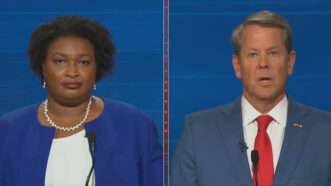
Brian Kemp and Stacey Abrams Both Advocate More Government in Georgia Governor Debate
The governor favors more punitive policing, while his Democratic opponent thinks the governor should have a say in who buys what properties in the state.

Don't Blame Migrants and 'Open Borders' for Fentanyl Entering the Country
U.S. citizens traveling through legal ports of entry—not undocumented immigrants—are primarily to blame for fentanyl inflows.
Justice Department Takes Aim at Judge Cannon
In its latest filing, the Department of Justice seeks to put an end to Judge Cannon's interference with the federal government's investigation documents kept at Mar-a-Lago.
In Utah Senate Race, Evan McMullin Has To Reckon With an Ugly History
In a campaign where much of the focus has been on Donald Trump and January 6, McMullin's CIA career deserves more interrogation.

Justice Jackson Sets Record for New Justice in October Arguments (Updated)
The Court's newest justice was an extremely active questioner during the Supreme Court's October arguments.

Ron DeSantis' Martha's Vineyard Stunt Might Help Migrants Stay in the U.S. on Special Visas
A Texas sheriff has certified that the migrants flown to Martha's Vineyard were the victims of a crime, which helps clear the way for them to apply for U visas.

Liz Truss Is Flailing, Politically and Economically
The British Conservative Party can’t figure out what it wants.

Supreme Court Turns Away Trump Effort to Keep Government from Reviewing Documents Seized from Mar-a-Lago
An unsurprising development in the former President's latest legal doings.

Biden's Marijuana Pardons Could Benefit Some 10,000 People With Misdemeanor Records
That seemingly large number represents a tiny share of simple possession cases, which are rarely prosecuted under federal law.
The Constitutional State Legislature Doctrine
The middle ground in Moore v. Harper (plus a few additional thoughts on redistricting remedies)
Divided Government Is Good. In 2023, Bipartisanship Would Be Better.
From immigration to drug reform, there is plenty of potential for productive compromise.
President Likens Supreme Court to an "Advocacy Group"
As the election approaches, the President sharpens his criticism of the Supreme Court.

Comedians Sue Atlanta Police for Racial Profiling Over Airport Searches
The lawsuit contends that after passengers are screened at federally mandated security checkpoints, Clayton County police search them again before they can board their flight.
Biden's Support for Pot Prohibition Belies His Recognition of the Harm It Causes
Even as he pardons thousands of marijuana users, the president stubbornly resists legalization.

Adnan Syed's Exoneration Shows How Hard It Is To Free Innocent People
Convincing evidence of his innocence has been available for years. But the criminal legal system prioritizes procedure and bureaucracy over liberty.
The original meaning of the Indian Commerce Clause
Professor Natelson versus Professor Ablavsky
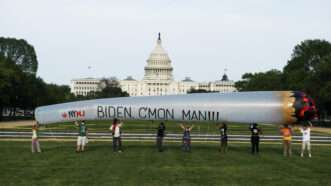
Drugs, Debt, and Masculinity
Plus: The editors wade into the conversation surrounding the modern dilemmas men face.
Biden Says He's Pardoning 'All' Federal Weed Possession Offenders. He Isn't.
If you aren't a U.S. citizen or lawful permanent resident, you're out of luck.

Federal Bureaucrats Say We Can't Reschedule Marijuana Because of How It's Scheduled
Cannabis has long been classified as having "high potential for abuse" and "no currently accepted medical use." That makes it harder to study and, therefore, harder to reclassify.
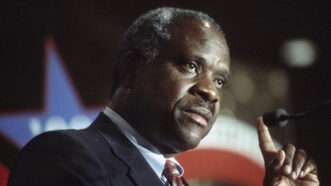
On Affirmative Action, Clarence Thomas Took a Page From Malcolm X
Understanding the jurisprudence of the conservative Supreme Court justice
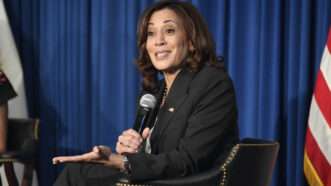
Better Late Than Never on Weed, Kamala
Plus: A judge may recognize a poly romance, the Nobel Prize goes to economists "for research on banks and financial crises," and more...

No, State Legislators Can't Ban Interstate Abortion Travel
The Constitution's commerce clause guarantees a domestic free trade zone. A state law that bars a resident from traveling to take advantage of another state’s economic activity would be unconstitutional.

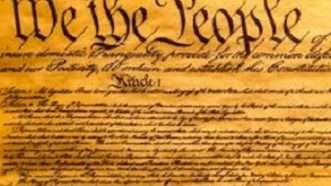
National Constitution Center Project Offers Constitutional Amendment Proposals with Broad Cross-Ideological Support
The proposals were agreed on by members of the conservative, libertarian, and progressive teams participating in the NCC's earlier constitution drafting project.
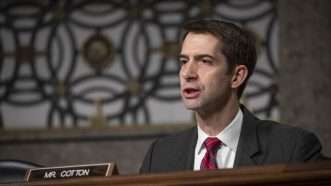
Tom Cotton Says Biden's Marijuana Pardon Recipients Pleaded Down From More Serious Charges
In fact, most were caught on federal property with small amounts of pot.
No Implicit Requirement of Sharia Mediation or Arbitration
"Movants ... argue[] that Plaintiff's complaint fails to state a claim because the 'loan documents reflect the parties' agreement that Sharia law would govern their contractual relationship' and that '[p]ursuant to age old Islamic principles, parties are to pursue the alternative dispute resolution processes of mediation or arbitration before seeking adjudication of their quarrels.'"

What Biden's Weed Plan Really Means
Plus: lawsuit targets Roblox and Discord, 24 million immigration cases in backlog, and more...

Biden's Marijuana Reforms Are Long Overdue but Will Have Just a Modest Impact
The president's mass pardon does not extend to pot suppliers, and his rescheduling plans won't make marijuana a legal medicine.

Millions of PPP Loans Were Flagged as Potentially Fraudulent. Many Were Never Investigated.
A new report takes an illustrative look inside the Small Business Administration, which was clearly overwhelmed by the obligation to push unprecedented piles of money out the door quickly.
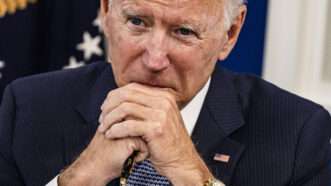
The Political Class Has Consistently Ignored Warnings of Fiscal Doom. Now Americans Are Paying the Price.
Warnings of inflation and rising interest rates have long been tied to high and rising debt levels.

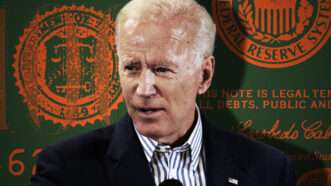
Here's Why Biden Is Wrong About the Deficit
His administration has expanded deficits by $400 billion more than expected, even before we count recent spending.

Tennessee Snail Darter No Longer a Threatened Species
The U.S. Fish & Wildlife Service has declared that the little fish that almost stopped completion of the Tellico Dam has recovered.
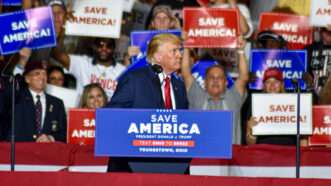
What the FBI's Mar-a-Lago Warrant Does—and Doesn't—Mean
Even if a warrant wasn’t the DOJ’s only option, its choice to go this route doesn’t signal—let alone prove—anything about the future of the probe.
Here's What the Media Get Wrong About Hurricanes
No, a big storm does not require big government.

The Sackett Oral Argument and the Problem of Defining "Waters of the United States"
The justices wrestled with the problem of identifying a clear, coherent, and administrable definition to constrain federal regulatory jurisdiction under the Clean Water Act.




