
The Coronavirus Stimulus Is Full of Wasteful Spending
This will not end well.


The failure to conduct early and wide testing left politicians ignorant of basic facts about the COVID-19 epidemic.
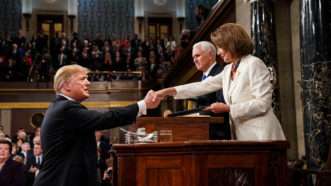
President Donald Trump, Majority Leader Mitch McConnell, and Speaker Nancy Pelosi all agree that a fourth spending bill will happen in April but are haggling over the cost.

When Americans feel like the future will be worse than the past, reactionary and socialist ideologies ascend.
Q&A with Duke's Michael C. Munger, who also believes that big cities will see rationing and that higher education will never be the same.

The Duke economist and political scientist discusses the response to COVID-19, the coming recession, and the end of higher ed as we know it.

The Club for Growth prides itself on holding lawmakers accountable "by publicizing their voting record." Except, well…not right now.

Plus: The feds are still targeting Juul, Call of Duty wins First Amendment lawsuit, and more...
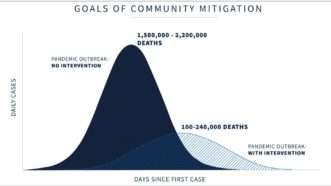
The real action in the coming months lies between those two extremes.
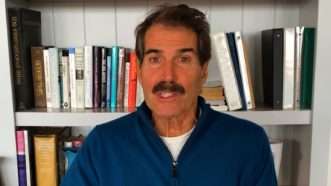
The free market adjusts. We don't need "production acts" to tell us what to do.
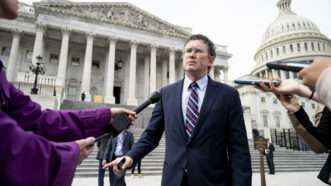
The Kentucky Republican took on Donald Trump and Nancy Pelosi to fight against the $2 trillion coronavirus spending package. He's just getting started.

Though focused on manufacturing and banking, this study sees economic optimism in quick and thorough interventions to keep people isolated.
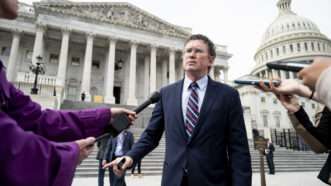
The CARES Act plunges the nation into a crash course on experimental economics.—and we're the lab rats.

But he has raised his estimate of the virus's reproduction number, which implies a lower fatality rate than his research group initially assumed.
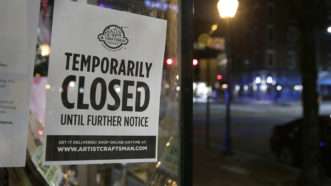
That's a huge concern as forecasters expect the U.S. unemployment rate in the months to come to surpass that seen during the depths of the Great Depression.

Much about the COVID-19 outbreak has been unprecedented and historic, but until now it's been difficult to quantify exactly how serious a blow the virus would deal to the U.S. economy.

Creativity and selflessness are on display everywhere.

A cost-benefit analysis of COVID-19 lockdowns highlights crucial gaps in the data.

The Scandinavian country is betting against draconian restrictions and in favor of the free movement of people and goods.

It's almost like Americans are paying for them, and like Trump doesn't actually believe in free trade.
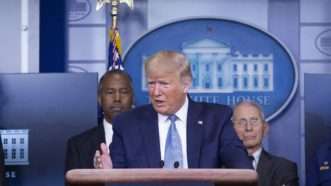
So far politicians have been acting as if only one side of the ledger matters.

The point of shutting down the "nonessential" economy, New York's governor explains, is to "save lives, period, whatever it costs."

Restrictions have been loosened to help ramp up production.

Robert Lighthizer, head of the Office of the U.S. Trade Representative, says tariffs aren't hurting America's response to the virus. He's also lifting those tariffs to help with the response.

The government botched the early response to coronavirus, so why expect it to grow in competence now?

Lawmakers are still seeking a compromise.

The coronavirus outbreak offers another view of the limits of central planning.

Law professors Tim Wu and Richard Epstein went head to head at a live event.
A big contraction was followed by a bustling aftermath—but with notable negative long-term effects as well.

Tim Wu vs. Richard Epstein on whether antitrust laws should be applied to firms like Amazon and Facebook.
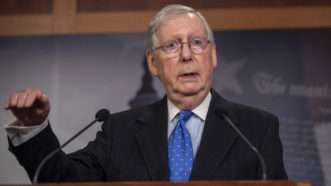
The new plan seeks to help an economy decimated by the coronavirus.

The coronavirus is going to crater tax revenues and hike spending. And the Congressional Budget Office says the deficit was going to exceed $1 trillion even before all that.
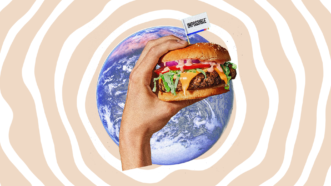
Impossible Foods says that animal agriculture is a leading cause of climate change. Instead of trying to pass laws to ban meat, it's providing tasty, plant-based alternatives.

GM’s CEO is offering to help. She shouldn't wait for the feds to figure out what to do.

Examples abound of the generosity and sense of community of the American people.

The NYU Law professor thinks we're in for a mess of bad epidemiology, ineffective stimulus, and misguided quarantines.
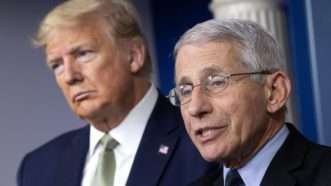
Politicians seem to be proceeding on the dangerous assumption that cost-effectiveness does not matter.

The worst-case scenarios projecting millions of deaths don't take into account adaptive behaviors.

What politicians call "gouging" is just supply and demand. Prices rise and fall all the time.
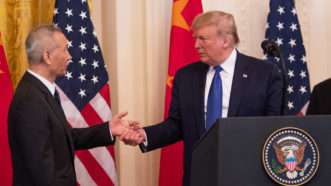
Some of Trump's tariffs hit medical equipment and supplies from China. We need more trade, not less, to be prepared for pandemics.

Historian Amity Shlaes on the good intentions and bad results of LBJ's war on poverty
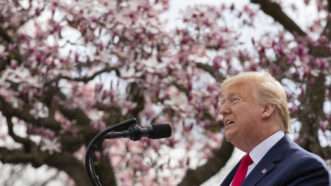
Having failed to be fiscally responsible when it would have been relatively easier, our elected officials will now likely hike spending even further.


Is a new stimulus package the right response to a pandemic?
A.B. 5 has caused chaos in the Golden State.
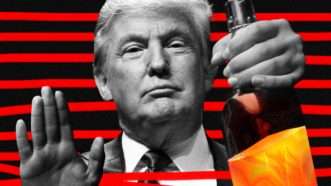
American whisky and wine drinkers are being punished for trying to amicably trade what they have for what they want.
Plus: How Trump's payroll tax would work, Daily Show accuses Kamala Harris of "gaslighting," and more..
Celebrate your independence with a subscription to Reason magazine, your most trusted source of honest, insightful news and analysis.




