
Capitalism in the Cracks: How Japan's Microspaces Unleash Economic Experimentation
These spaces are so small that most cities would ignore them. Tokyo doesn't.


These spaces are so small that most cities would ignore them. Tokyo doesn't.
In a 7-4 ruling, the en banc court upheld trial court ruling against all the challenged tariffs. The scope of the injunction against them remains to be determined.
Trump went "beyond the authority delegated to the President," the court ruled, but it vacated an injunction that could have provided immediate tariff relief to American businesses.
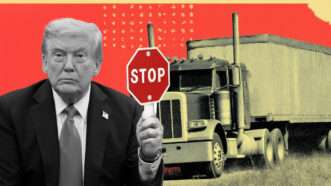
I got a pair of shoes delivered from Asia for a reasonable price. Trump just ended the exemption that makes that transaction possible.
Economist Bob Murphy discusses the mounting pressure on the Federal Reserve, the implications of the government taking Intel equity, and capitalism under siege on the latest episode of Just Asking Questions.
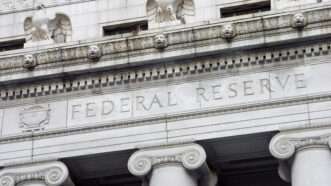
The president's clear attempt to interfere in the Federal Reserve is not a one-off crisis.
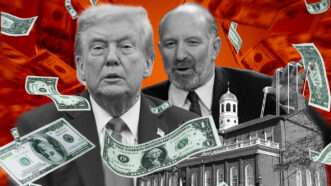
The potential nationalization and forced revenue sharing of university patents makes a strong case for the separation of economy and state.
Should they brag about raising taxes, like the White House is doing, or try to distance themselves from those same tax increases?
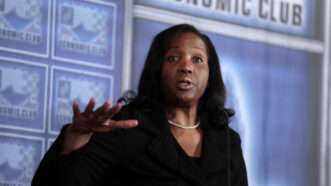
Trump is attempting to fire a Federal Reserve board governor.
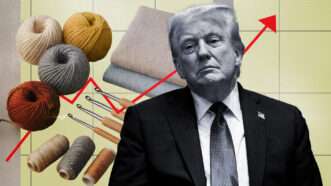
Tariffs are making it more expensive and inconvenient for Americans to explore their creative sides.
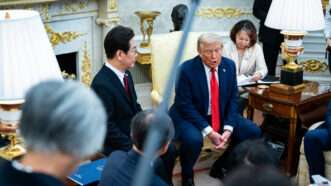
Is this another example of Trump's inability to understand why global trade is good for America, or does it suggest something even more serious?
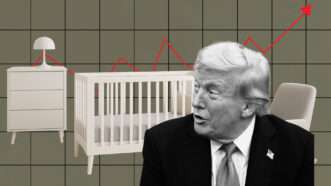
Protectionism won't save the American furniture industry, but it will increase the cost of living.
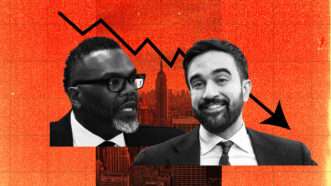
Big city mayors' progressive ambitions are on a collision course with fiscal reality.
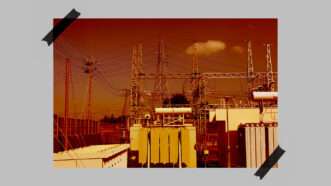
The Trump administration recently expanded its list of tariffs to include grid transformers, parts of nuclear reactors, and parts for offshore oil drilling.
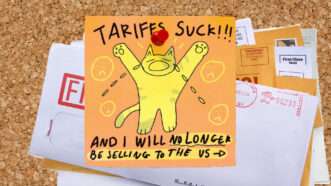
European postal services are cutting off delivery to the United States, leaving entrepreneurs and consumers scrambling.

How to fix the conferences, the rules, the playoffs, and more
Plus: What the new E.U. trade deal means for tariffs and prices, a listener question about Rahm Emanuel’s presidential appeal, and the FBI raids John Bolton’s home.
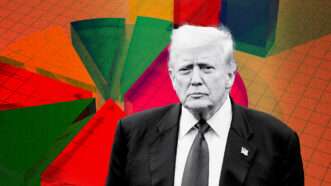
This is corporate socialism in a MAGA hat.
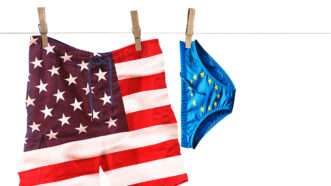
It's no coincidence why Europeans don't have air conditioning, clothes dryers, or ice.

The company's value was plummeting long before it nixed the "Old Timer" from its logo.

The deal locks in the 15 percent tariffs that Trump has imposed on most European goods imported into the U.S., including beers and other booze that isn't made here.
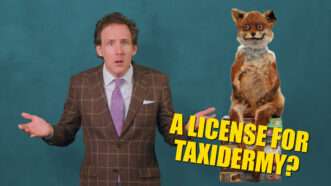
Becoming a taxidermist or hair braider shouldn't involve costly hurdles.
Plus: Federal bureaucracy gets a redesign, Robert Moses messing things up (still), Syrian immigrant unemployment data, and more...
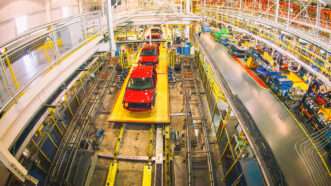
The factory has changed a lot, from making Model T parts to making Mustangs to assembling electric Ford F-150s.
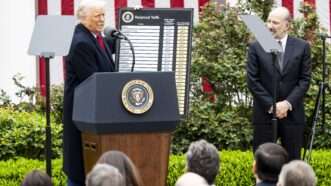
They are among the worst taxes imaginable—narrow, arbitrary, unstable, and regressive.

Plus: Elites in the media, revoking security clearances, car prices going up, and more...
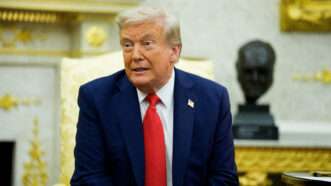
The president’s $300 billion tariff rebate plan risks replaying Bush-era giveaways—but on a scale large enough to fuel inflation and deepen the deficit.

It makes little sense, but that's what happens when you give the president unchecked, unilateral tariff powers.
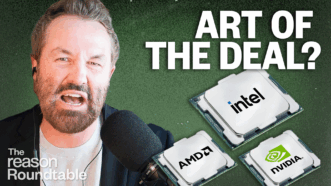
Plus: Trump talks with Putin in Alaska, federal troops flood D.C., a controversial Bureau of Labor Statistics nominee, and a listener question about the hosts as a band
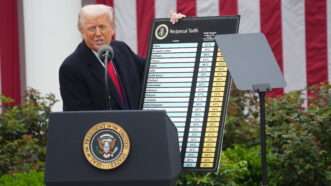
In most cases, Trump's tariffs are significantly higher than the tariffs charged by other countries on American goods.
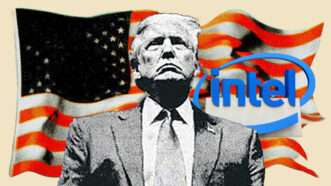
Since returning to office in January, Trump has floated several deals that would involve the feds taking a piece of an American company.

The article explains why the policy is unconstitutional, but also why it is unlikely to be challenged in court in the near future.

The DOJ blocked Spirit's merger with JetBlue in 2024 over concerns about market consolidation, but markets also consolidate when failing firms go bankrupt and exit.
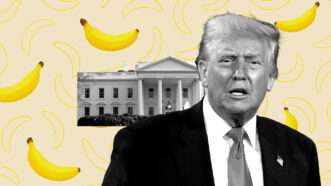
If a Democratic president tried to so directly politicize an independent agency, Republicans would be screaming about the coming tyranny.
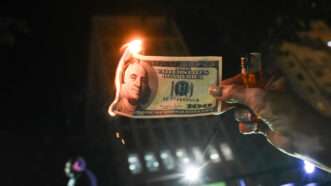
New producer price index data suggests domestic companies are not eating the cost of Trump's tariffs.
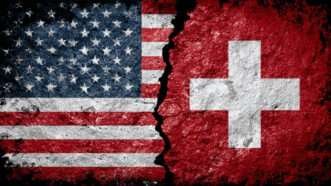
Switzerland might respond to Trump’s double-digit “reciprocal” tariff by canceling its multibillion-dollar F-35 order.
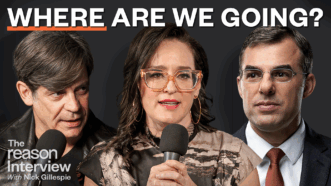
Former Rep. Justin Amash and Fox News’ Kennedy join Nick Gillespie to examine how MAGA populism reshaped the Tea Party’s limited-government mission, why Congress no longer acts as a check on power, and what it will take to spark a new libertarian revival.
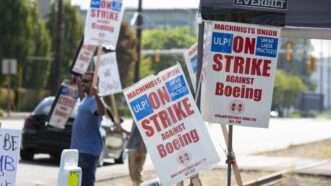
With over 3,200 workers off the job, the military’s reliance on one politically connected contractor threatens innovation, accountability, and national security.
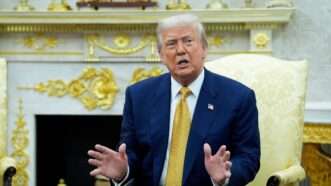
The words national emergency are not a magic spell that presidents can utter to unlock unlimited legislative powers for themselves.
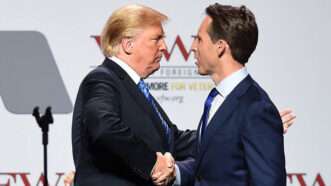
If Sen. Josh Hawley and the Trump administration want to spare Americans the pain from tariffs, there is a far simpler solution.
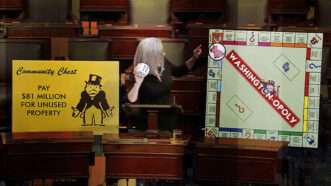
It's a drop in the bucket compared to the national debt, but any wasteful government spending should be eliminated.
Tariffs on auto parts, meant to "protect America’s automobile industry," make repairs more expensive and drive up the cost of insurance.
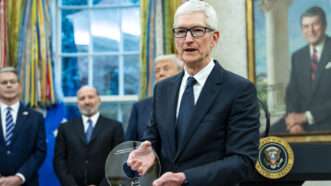
When the line between public and private is erased, politics is all about special favors. That's gross.
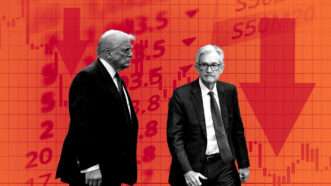
The Fed should be replaced by free markets, not unbridled presidential power.
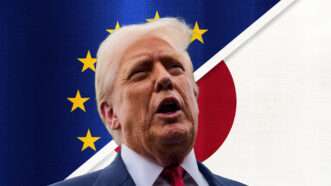
Trump’s Japan and E.U. deals offer vague promises and lack the depth and enforceability of the TPP he scrapped.

Companies chose to exit the market rather than deal with the excessive regulations baked into the industry.
Celebrate your independence with a subscription to Reason magazine, your most trusted source of honest, insightful news and analysis.




