

Economics
The Relentless March Toward a New Universal Agreement on Climate Change
Rich countries commit to total decarbonization of the global economy.
How to End Abuse of Patents and Help Restore Economic Innovation
A new paper from Lincoln Labs' Derek Khanna lays out a great way to move forward in tech.
Trans Pacific Partnership Roundup: On the Eve of Its Fast Track House Vote, The Politics Remain Twisted
Until fast track passes, no one can really be sure how to act about the trade pact itself.
Creditors Lose Patience, Walk Out of Negotiations With Greece
Looming threat of Grexit still looming
How Certificate of Need Laws Harm the Health Care Market
CON laws stifle competition and hurt consumers.

Can They Stop Themselves?
Reason's guide to whether any of the 2016 presidential hopefuls would actually cut government.


Quartz Blasts Freelance Economy, Blames Evil Corporations, Doesn't Pay Writer
Atlantic Media pub runs unpaid work critiquing unpaid work.

Bitcoin's Long-Term Viability Threatened by Block Size Limits
If unaddressed, an arbitrary protocol quirk implemented by Bitcoin creator Satoshi Nakamoto could soon undermine the scalability and long-term viability of the cryptocurrency.
Ted Cruz Channels John F. Kennedy
The conservative senator takes a page from Kennedy's pro-growth economic playbook.
Barcelona's New Mayor Promises a People's Revolution, Says Government Privileges Are 'Symbolic'
Leftists need to understand most people don't agree with them no matter how loudly they declare to be speaking for "us"
The Foolish Socialism of Bernie Sanders
Let the presidential candidate have his way and watch the U.S. economy implode.
Is Obamacare's Medical Socialism Working?
Liberals would like you to believe it is, rising coverage costs tell a different story
The PC Revolution is Eating Its Own, But What Sort of Shit Comes Next?
Political correctness is dying. The university must now embrace unfettered intellectual debate and dialogue as the way forward.

Increasing Social Mobility Is Hard. Here's Why That's Not Changing Any Time Soon.
We shouldn't choose policies based on how they make us feel. And yet...
Lenore Skenazy Talks Free-Range Kids on Daily Show…
and is the hero of the segment, which skewers hysterical fears about our children, who are safer than ever.
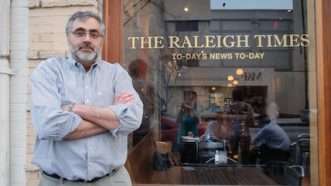
Raleigh Restauranteur Pushes Local Government to Regulate Sidewalk Seating
Of course, the proposed change only affects his competition...
New York Just Announced the Final Details of the BitLicense, a New Regulatory Regime For the Bitcoin Industry, and They're Pretty Frightening
The BitLicense will provide a "moat" protecting Wall Street from Bitcoin.
Ron Paul Talks to Larry King about Rand's Run for the White House, Irish Gay Marriage, Iranian Nukes, and Trans-Pacific Partnership
"We've got too many laws," says the libertarian firebrand.
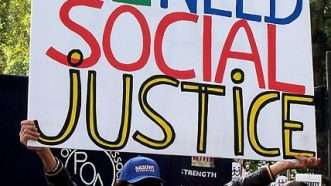
Calls for 'Social Justice' Won't Work Without Free Markets
Capitalism helps reduce racism and sexism.
RESOLVED: TECHNOLOGY WILL TAKE ALL OUR JOBS
Ronald Bailey Will Argue Against the Motion at Future Tense on Thursday, June 4
If You Want to Be Rich, Choose Your Country of Birth Wisely
"There is nothing more valuable than a U.S. passport."
Listen Live: Arguments For & Against Export-Import Bank, Crony Capitalism at its Worst
Reason contributor Veronique de Rugy is among the experts testifying against reauthorization at Senate Committee on Banking, Housing, and Urban Affairs.
The Feds Take General Motors on a Rough Ride Over SwitchGate
DOJ will pocket the massive criminal penalties it's about to impose
L.A.'s Minimum Wage Hike: A Teaching Moment for Those Trying to Help the Underprivileged
It's harder to do good for someone if doing good costs a lot more. And employing someone is often doing good for them.
Watch Nick Gillespie, Alex Winter, and Lyn Ulbricht Discuss Silk Road Trial at 5pm ET
Does Silk Road founder Ross Ulbricht deserve a life sentence? And how exactly did the government prove its case?
Watch the First-Ever Greg Gutfeld Show on Fox News Tonite at 10 PM ET
The co-host of The Five and former host of Red Eye debuts his take on news and media.
Silk Road Trial: Read Ross Ulbricht's Haunting Sentencing Letter to Judge
And read the prosecution's sentencing letter to get a sense of how revolutionary Silk Road was.
5 Supreme Court Cases to Watch in June
The High Court prepares to rule on Obamacare, gay marriage, death penalty drugs, and more.
Bernie Sanders' War on Chinese Bobbleheads!
Why "Made in America" isn't always the best slogan to get behind.
That Time Dennis Hastert Became Speaker of the House Because He Was Asexual
He was not only an undistinguished leader but a exemplary Republican during the Bush years, when the small-government party lost its way.
The DOJ is About to Take General Motors on a Rough Ride
The criminal penalties that GM faces for the Cobalt debacle could be massive and deleterious to the driving public
Friday A/V Club: A Younger Ron Paul and a Younger Reason
Then-Rep. Paul speaks at the magazine's 15th anniversary celebration.
Amtrak Has Problems, But a Lack of Federal Funding Is Not One of Them
The railroad's problems are political, not operational.




