

Free Speech
To Fight 'Extremism,' Journalists Are Praising Online Censorship
Social media platforms and governments are "voluntarily" teaming up to ban "violent extremist content." What could go wrong?
Tweet From Country's Largest Labor Org Encourages Workers to 'Seize the Means of Production'
The AFL-CIO's Twitter account appears to endorse a workers' revolution.
'Fake News' Is a Really Dangerous Excuse for Censorship
The supposed plague of misleading and harmful information on the internet is nothing new, nor is governments' desire to muzzle anybody who says inconvenient things.
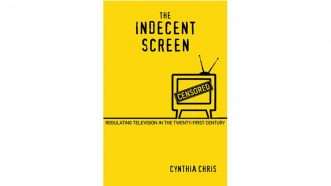
Jurassic Regulation
A new book reaches the right conclusions on telecom policy but suffers from anti-market myopia.
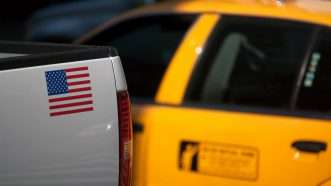
Charges Dropped Against Florida Man, Because the First Amendment Protects His "I Eat Ass" Bumper Sticker
No ifs, ands, or butts about it.
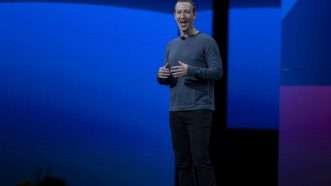
No, the Government Shouldn't Break Up Facebook
Co-founder Chris Hughes' call for antitrust action is vainglorious and misguided.
How to Lose a Case Against an Empty Chair
"If this order were a Yelp review rather than a court ruling, it might read as follows: 'This attorney tried to persuade the court to enter an injunction by citing an obviously invalid trial court order—zero stars.'"
Yes, the First Amendment Protects "I Eat Ass" Bumper Stickers
That's notwithstanding the view of Lake City (Florida) police, who arrested and charged Shane Dillon for display this sticker.
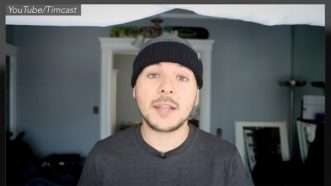
How Independent Journalists Are Beating the Mainstream Media
“I don't know who to believe. Why don't I just go there and see for myself?"
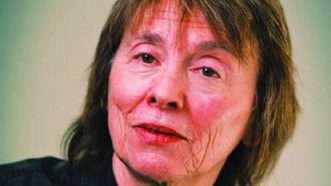
'Unbridled and Performative Student Activism Is a Disease of Affluence': Camille Paglia Edition
Some students at the University of the Arts want the firebrand feminist fired. Where did they get the idea they should be picking faculty?
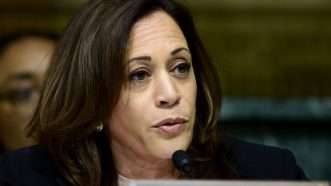
Kamala Harris Wants to Be Your Online Censor-in-Chief
Resist when politicians declare that speech (even radical speech) is a “threat to our democracy.”
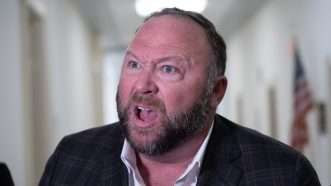
Should Libertarians Care About Facebook Bans?
Private property rights, public squares, "dangerous" speech, and pre-regulatory suck-ups, all debated on the Reason Podcast.
Publishing Court Records Containing Home Address Not Actionable Invasion of Privacy
A district court decision from several years ago, which I just ran across.
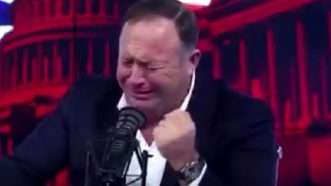
Facebook Has Every Right To Ban Louis Farrakhan and Alex Jones. But It's Still a Bad Idea.
Even more worrying: New Zealand's leading media outlets are self-censoring coverage of the Christchurch mass shooting.
10 Colleges Where You Won't Have To Walk on Eggshells
These schools are seriously committed to civil and diverse debate.
First Amendment Protects Nondisruptive Student Speech Calling for Principal To Be Fired
So a federal district court held Monday, and concluded that this principle was well-established enough to defeat a qualified immunity defense.
Armslist Not Liable for Allowing Searches for Private-Seller Gun Ads
So the Wisconsin Supreme Court held yesterday, reversing a Wisconsin Court of Appeals decision.
Injunction to Take Down Critical Sock Puppet Comments
Can a court block multiple statements that seem to come from several people, but that were actually all posted by one person?
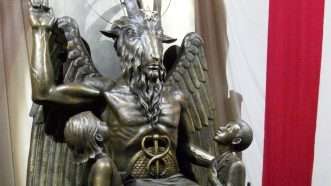
The Satanic Temple Sues After a City Rejects Its Pentagram-Covered Veteran Monument
The group takes its First Amendment crusade to a public park in Minnesota.
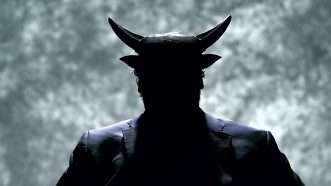
Hail Satan? A New Documentary Depicts Devil Worshipers as Unlikely Defenders of the First Amendment
Director Penny Lane chronicles the rise of the Satanic Temple, a group that combines theatrical stunts with political activism.
Organizer of Black Lives Matter Highway-Blocking Protest Can Be Sued for Injury to Police Officer
An interesting decision from the Fifth Circuit, allowing a negligence claim to go forward against organizer Deray Mckesson; the court's reasoning relies heavily on the illegal nature of the protest.
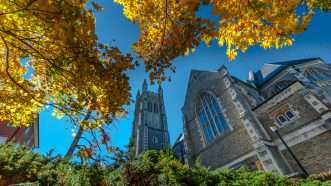
Williams College Students Claim 'Free Speech Harms,' Fight Efforts to Adopt the Chicago Principles
"Students were just screaming that we were trying to 'kill them.'"
First Amendment Challenge to L.A.'s Requirement That Contractors Disclose Ties to NRA
Just filed yesterday, and I think it should prevail.
Flashing Headlights to Warn of Speed Trap May Be Protected by First Amendment
So holds a District Court decision, though stressing the "may be."
Beyond the First Amendment: Anti-Libel Injunctions in States That Have Repealed Criminal Libel Laws
Even if injunctions against libel don't violate the First Amendment, should state courts still reject them on other grounds?
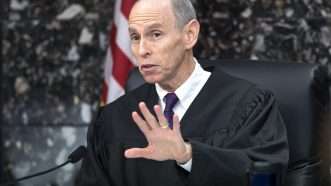
Nabbing Robert Kraft Helped Florida Prosecutors Get Headlines. Now Kraft and Other Orchids of Asia Customers Are Fighting Back
They're joined by an arrested spa owner and manager in fighting the release of surveillance video, with an array of big media companies on the other side.
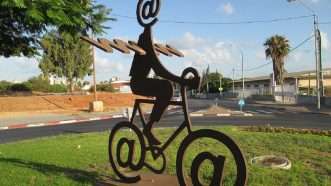
The 26 Words That 'Created the Internet'—and Why They May Be on the Chopping Block
Legal scholar Jeff Kosseff wanted to write a "biography" of Section 230, the law that immunizes websites and ISPs from a lot of legal actions. He fears he has written its obituary.
Delaware Government Refusing to Allow "Illegal Pete's" as Corporate Name
Seems like a pretty clear First Amendment violation, even if the name is viewed as an offensive reference to illegal aliens (which the corporate owners apparently don't intend).
The Panic Over 'Social Media Addiction' Threatens Free Speech
Classifying heavy internet use as medical addiction leads to bad policy and inferior patient care.
Beyond the First Amendment: Anti-Libel Injunctions and Prosecutorial Discretion
Even if injunctions against libel don't violate the First Amendment, should state courts still reject them on state separation of powers principles?
The First Amendment and the Hybrid Preliminary Injunction
A relatively novel suggestion, aimed at providing libel defendants with the necessary First Amendment protections while still giving libel plaintiffs protection early in the litigation process.
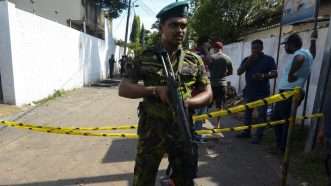
Sri Lankan Government Blocks Social Media Access Over Alleged Fake News
Right after 290 people were killed in a series of Easter Sunday bombings
Crime to Tweet About People Intending to "Abuse" Them?
That's the legal theory behind a case just filed by prosecutors in Ohio.
The Limited Role of Mens Rea in Hybrid Anti-Libel Injunctions
I'm continuing to serialize my forthcoming Penn Law Review article on Anti-Libel Injunctions.
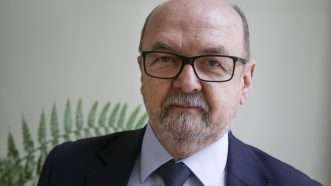
Middlebury College Disinvites Polish Politician Ryszard Legutko, Fails Free Speech Test Yet Again
Protesters said it was "absolutely, unequivocally" not their intention to shut down Legutko. The administration panicked anyway.
Restricting Injunctions to Libels on Matters of Private Concern?
Should the availability of anti-libel injunctions turn on the subject matter of the false and defamatory speech that's being enjoined?
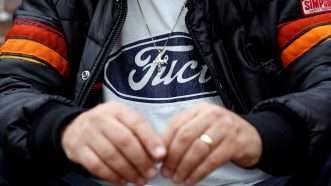
The PTO's Prissy, Puzzling Rules for Registering Trademarks Are Fuct Up
The owner of a clothing line asks the Supreme Court to overturn the ban on "scandalous" trademarks because it violates the First Amendment.
The Supreme Court Declines to Hear the Case of a Rapper Convicted for His Anti-Cop Lyrics
The case drew support from rappers like Killer Mike, Chance the Rapper, and Meek Mill.
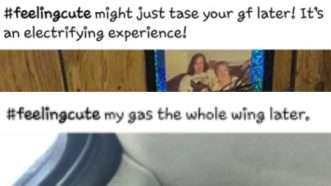
Prison Guards Are '#FeelingCute' About Threatening To Assault Inmates for No Reason
"Feeling cute, might just gas some inmates today, IDK."
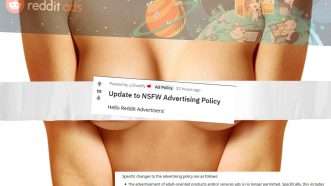
'NSFW Advertising' Banned From Reddit
Subreddits on sexual themes will also be banned from running ads.
The First Amendment and the Hybrid Permanent Injunction
This is the key proposal from my forthcoming Penn Law Review article on Anti-Libel Injunctions -- a way of taming the anti-libel injunction to include important First Amendment procedural protections, but still allow its use to prevent genuine libels.
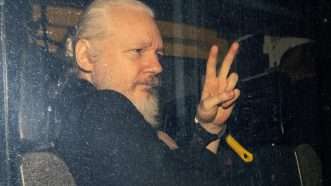
The Assange Exception to the First Amendment
Freedom of the press is not limited to "legitimate journalists."
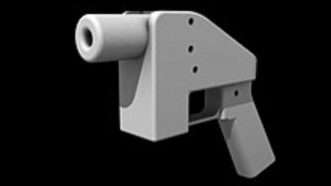
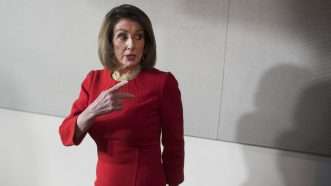
Nancy Pelosi Declares a 'New Era' of Internet Regulation; E.U. Threatens Same
Nancy Pelosi wants to gut Section 230
How Specific Anti-Libel Injunctions Underprotect Speech
I'm continuing to serialize my forthcoming Penn Law Review article on Anti-Libel Injunctions.
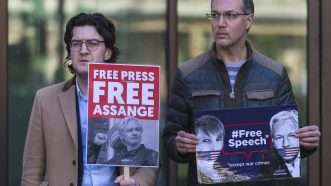
Julian Assange Is a Better Journalist Than Many of His Media Critics
Journalism is at risk not just from government but from media types who see their jobs as protecting the powerful from embarrassment.




