
The Supreme Court's Olmstead Power Grab
Olmstead isn't just a wiretapping case; it's where the Court took the power to preselect questions.

Olmstead isn't just a wiretapping case; it's where the Court took the power to preselect questions.
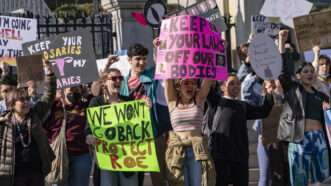
Americans cannot be neatly divided into two sides, and they do not necessarily understand the implications of Roe v. Wade.
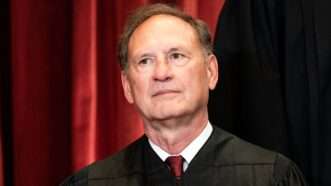
The abortion precedent has faced withering criticism, including damning appraisals by pro-choice legal scholars, for half a century.
No matter how the case got there, the Court had to decide the whole thing.
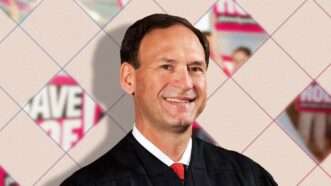
Plus: ruminations on public health, misinformation, and media literacy
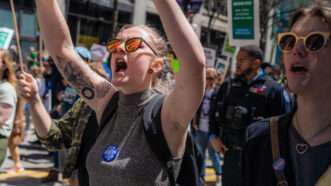
The constitutional scholar on abortion, Sam Alito, and the future of federalism
Understanding state regulatory powers at the time of the founding.
The justice overlooks the long American tradition of pharmacological freedom and the dubious constitutional basis for federal bans.
That fact doesn't necessarily justify overruling Roe. Depending on how it's viewed, the history of such reversals may even counsel against further such moves.
Does returning decisions about abortion to the states increase liberty or shrink it?
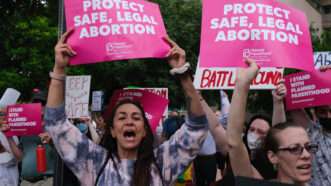
Although recent polls show a majority thinks the abortion precedent should be preserved, some respondents seem confused about what that would mean.
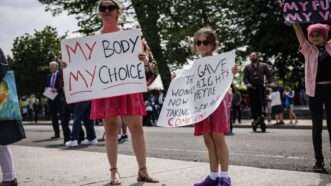
Abortion is likely to remain legal in most states, and workarounds will mitigate the effects of bans.
If the leaker's identity is ever revealed, he or she will face serious professional and reputational sanctions. There's no need to wish for criminal punishments too.
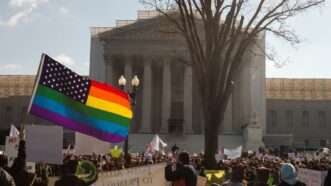
Gorsuch just penned an important pro-LGBT decision two years ago. Americans are largely not interested in relitigating this issue.
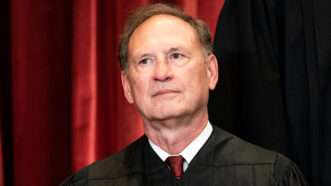
The Constitution protects many more rights than it mentions.
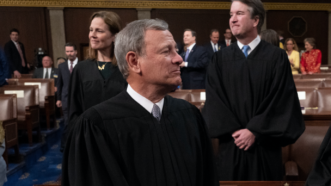
But the leaked opinion is not “the final position of any member on the issues in the case.”
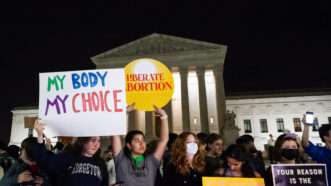
Plus: Boston rebuked for rejecting Christian flag, Google will remove more personal information, and more...
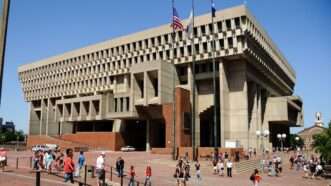
The justices unanimously agree that the city was not endorsing the flags, and that therefore it couldn’t exclude religious organizations.
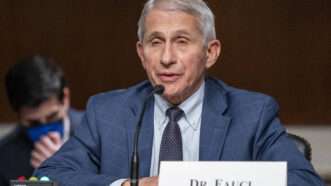
The president’s COVID-19 adviser embodies the arrogance of technocrats who are sure they know what’s best for us.

Forcing private companies to host speech violates the First Amendment.
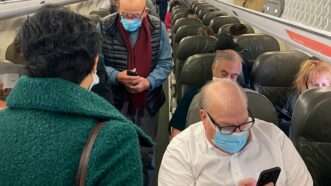
The Biden administration's main priority seems to be leaving the agency's authority vague enough to allow future interventions.

Plus: A court rejects a "discriminatory harassment" ban at a Florida university, a private space mission heads back to earth, and more...

Clarifying the agency's authority could impede future power grabs.
An utterly meritless suit ends not with a bang, but a whimper.

Proposition 12 threatens the national food economy.
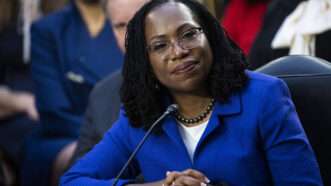
It explains why many of the reasons GOP senators gave for opposing Jackson were ridiculous, but also that there is nothing inherently wrong in opposing a qualified "mainstream" nominee based on differences over judicial philosophy.
The Associated Press reports on the junior-most Justice's remarks at the Reagan library.
The previous standard barring such lawsuits made “little sense," wrote Justice Brett Kavanaugh for the majority.
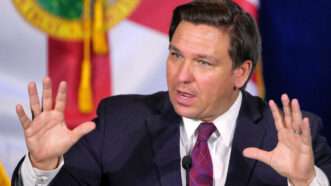
For most of the past decade-plus, those complaining the loudest about corporate participation in politics have been Democrats.
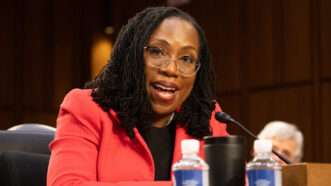
The Supreme Court nominee's critics say she clearly did, but several federal appeals courts disagree.
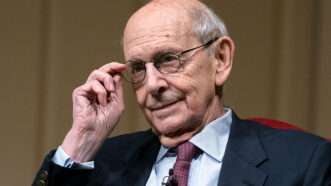
Breyer led the charge against the court packers, denouncing them as shortsighted ideologues who threatened both judicial independence and bedrock liberal values.
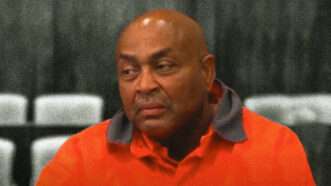
The police officers who allegedly framed William Virgil were denied qualified immunity. But they're still trying to delay a trial.

The argument for loosening restrictions on armed self-defense goes beyond the measurable impact on public safety.
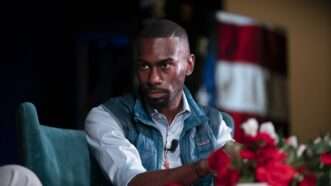
DeRay Mckesson didn’t cause or encourage violence against police in Baton Rouge in 2016. The court says he can still be held responsible.
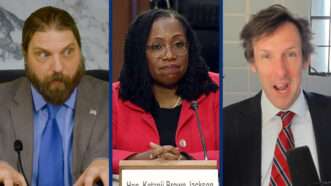
Can you define "partisan circus?"
National Pork Producers Council v. Ross could have implications far beyond bacon prices in California.

Do California's rules violate the dormant commerce clause?

The officer used a "pain compliance maneuver" to force information from the boy's sister, who was recording the encounter.
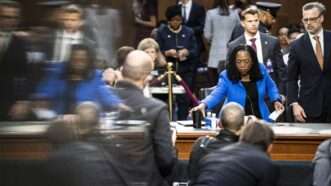
Republicans take a page from the Democrats’ book by crying “dark money” during Ketanji Brown Jackson’s confirmation hearing.

Plus: On tipping and slavery, cities see population declines, and more...
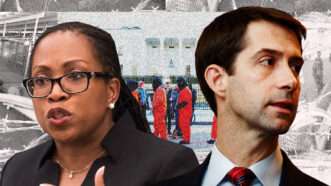
There's a particular richness to Republican senators weaponizing the right to defense counsel as an affront to the Constitution as opposed to something that's pivotal to it.
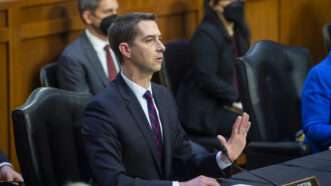
The mindlessly punitive senator grilled Supreme Court nominee Ketanji Brown Jackson about her resentencing of a drug offender.
While some legal ethics experts suggest recusal would not be necessary, the SCOTUS nominee suggested she thinks otherwise.
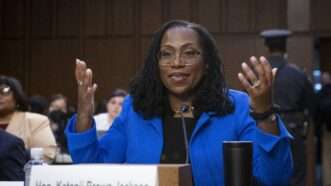
Even if the senators are genuinely confused, that underlines the recklessness of their attack on Ketanji Brown Jackson.

“I believe that the Constitution is fixed in its meaning,” said the Supreme Court nominee.
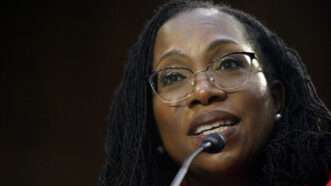
The senator argues that questioning sex offender policies "endangers our children."
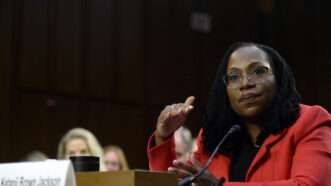
As expected, Tuesday's hearing was primarily made up of political theater.
Celebrate your independence with a subscription to Reason magazine, your most trusted source of honest, insightful news and analysis.




