
1776 All-Stars: Patrick Henry Knew To Fear American Kings
Henry's warning about presidential powers is especially prescient today.

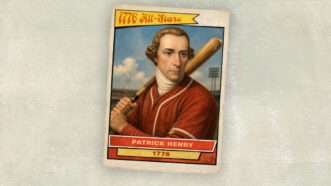
Henry's warning about presidential powers is especially prescient today.
Washington’s troops won the ground war, but today's left and right are waging war on the ideals of the Revolution.
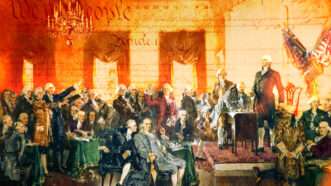
War making in "the power of a single man" is not what the Founders intended.
My American Revolution revisits the American Revolution through those that keep the revolutionary spirit alive.
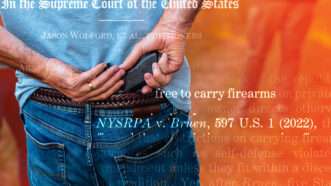
The decision means similar laws in other states likewise violate the Second Amendment, and it casts doubt on the constitutionality of location-specific gun bans that cover a lot of territory.
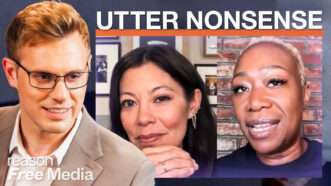
Robby Soave and Amber Duke discuss Joy Reid's recent remarks about July Fourth.

A new book shows how a phrase made its way from the crime pages to our political arguments—and picked up a passel of meanings along the way.
If the fusionist account of history is correct, the anti-fusionists are engaged in a far more radical project than most of them are willing to admit.
"Rapper who's a Second Amendment supporter"
Understanding the stakes in Kian v. Florida
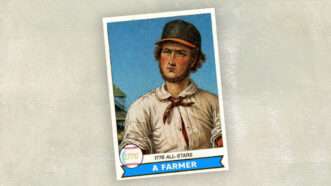
The man known only as "A Farmer" warned against the "sword of government."
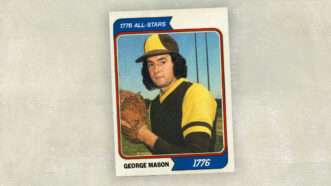
I'm not saying that just because I teach at the university named after him.
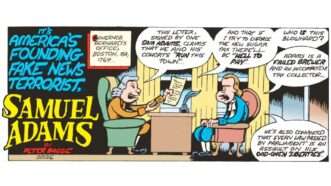
Samuel Adams sets his sights on Tory lackeys.
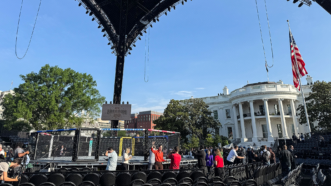
A cage fight on the South Lawn may be an unusual choice to celebrate the Founding. But it is a mirror of our political moment.
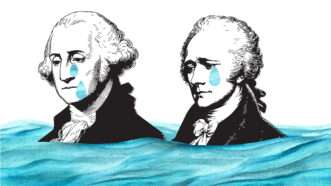
America's Founders helped create a world they were not yet ready to live in.

A replica of Washington's apple brandy is available for purchase at his Mount Vernon estate.
The Ideological Origins of the American Revolution draws upon writings and speeches you might not have heard of.
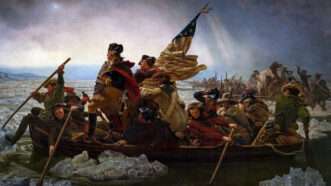
Plus: When tattoos meet copyright law
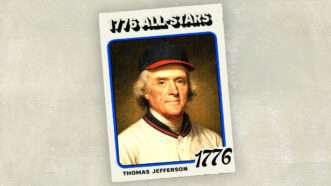
The author of the Declaration of Independence may have written "the greatest sentence ever."
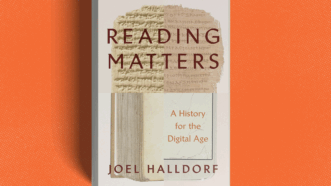
Today's anxieties about digital culture are prefigured in the long and wobbly history of books.
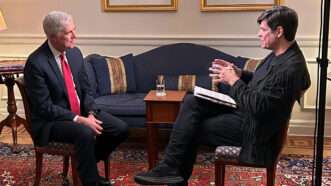
"There was nothing inevitable about it. Absolutely nothing," the Supreme Court justice tells Reason's Nick Gillespie.
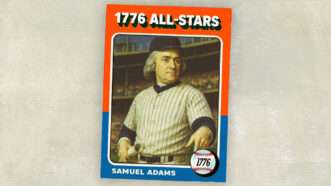
The libertarian rabble-rouser who helped ignite the American Revolution
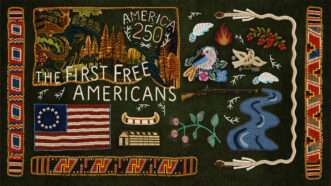
Unlike in Europe, native rulers had little formal authority; they had to persuade others to follow their ideas.
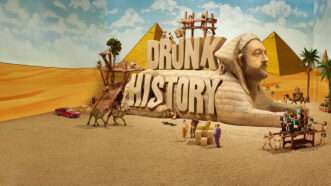
Hamilton, Jefferson, Franklin, and others appear in the irreverent TV series.
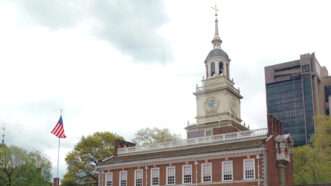
Modern visitors to the site where they signed the Declaration of Independence can still feel a sense of uncertainty and trepidation.
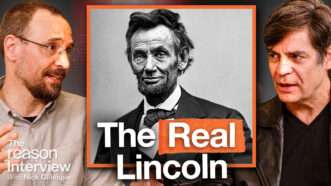
Damon Root discusses the path to emancipation, the struggle to secure freedom after the Civil War, and the constitutional changes that remade America.
"City where the Declaration of Independence was adopted on July 4, 1776"

Unlike many people who tackle this topic, Kira Ganga Kieffer treats the vaccine-hesitant with respect and curiosity, not contempt.
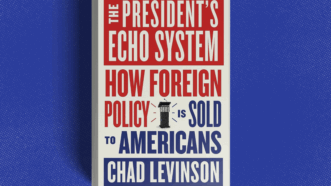
Presidents use a web of private influence to garner support for foreign invasions.
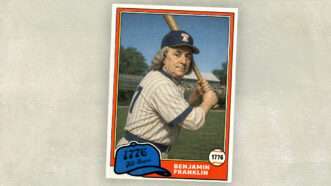
Franklin was fundamentally an optimist, and his life reminds us that politics is not what really matters.
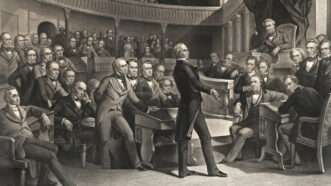
The Compromise of 1850 was really no compromise at all.
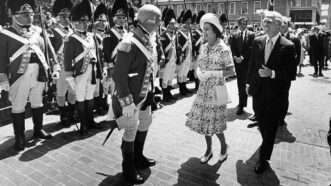
America was a bicentennial basketcase. For the sestercentennial, we're in shambles. But there are still many reasons to celebrate.

How Soviet séances and CIA remote viewers sparked a decades-long arms race no one was supposed to know about
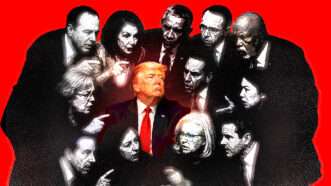
The president’s habitual attempts to criminalize dissent hark back to tyrants of yore.

Objectivism in Turkey has risen and fallen in recent decades, but is newly rejuvenated.
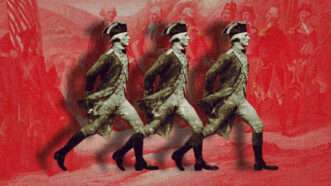
Immigrants have fought for America's founding promise because they understood it, not because they inherited it.

After 55 years, Dr. Demento has finally retired from the airwaves.
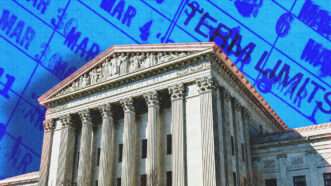
Lifetime tenure for federal judges has been the constitutional practice since ratification.
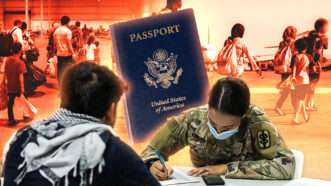
The biometric immigration system makes it impossible for bureaucrats to make a moral stand. I know because I tried.
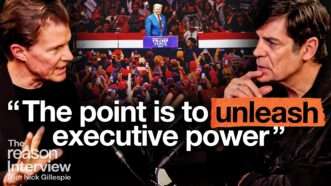
Johan Norberg discusses what makes societies prosperous, why protectionism and nostalgia keep returning, and how populism feeds cultural decline.

"There's always a place in not just the market, but a range of situations and mindsets, for things that are cheap, fast, and just barely in control," the Whole Earth Catalog creator tells Reason.
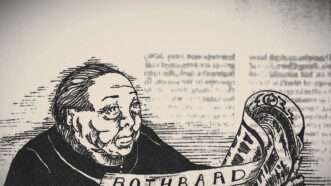
As the Cultural Revolution turns 60, here's a look back at some of the fantasies that people projected onto it—and at one moment of possible prescience.
Should it take more than a 5–4 vote for the Supreme Court to strike down a federal law?
Celebrate your independence with a subscription to Reason magazine, your most trusted source of honest, insightful news and analysis.




