
In Defense of Online Anonymity
Jeff Kosseff's The United States of Anonymous makes a strong case for letting people hide behind the First Amendment.

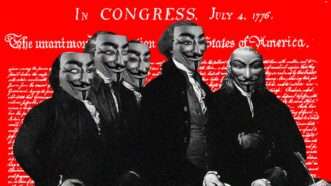
Jeff Kosseff's The United States of Anonymous makes a strong case for letting people hide behind the First Amendment.
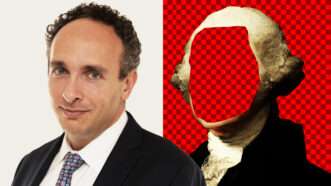
The author of the definitive history of Section 230 is back with a controversial new book, The United States of Anonymous.

Nikole Hannah-Jones' new book sidesteps scholarly critics while quietly deleting previous factual errors.
All that Civil War II talk is overblown—but that isn't the only sort of political violence to worry about.
The National Museum of Wales is suggesting that 19th-century innovations that enabled economic development are somehow tainted by slavery.
A new history of free speech argues the best way to defeat hate speech is by openly confronting it in the public square.
Politics is filled with words that mean different things in different mouths, but "neoliberalism" is an especially tangled case.

"At the core of libertarianism is the idea that people are assets."
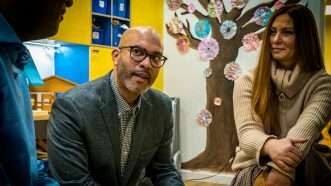
Nearly 90 gag-order bills would ban schools from teaching the grisly particulars of American history. This activist is fighting against the censorship and for school choice.
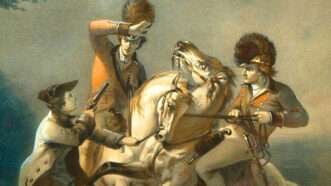
Despite all the controversy it has courted, Woody Holton's newest book doesn't stray very far from other scholarly interpretations of the American Revolution.
Already abused for political purposes, the power of government shouldn’t be expanded based on lies.
"A future of bloodless global discipline is a chilling thing."
James T. Bennett's libertarian critique argues that noncommercial radio can be detached from the state—and that it's better that way.

China's economic reforms were bottom-up, not top-down.
The octogenarian columnist has a lot to say about happiness and history in the United States.
How Michel Foucault's encounters in Poland's heavily policed gay community informed his ideas

The Cuisine and Empire author dishes on the anti-French origins of Turkey Day, why she hates "organic" food, and the genius of Julia Child.
Forget Robin DiAngelo, Ibram X. Kendi, and The 1619 Project. Start with ending the drug war, says the Columbia University linguist.

There are five instances of the Treasury defaulting on the debt.
The New York Times columnist and Columbia University linguist on the "new religion" he says has "betrayed Black America."
Sometimes communist countries had to tolerate a little economic liberty just to survive.

It is hard to comprehend the scarcity and existential dread that was humanity's constant companion during the Cold War.

Happy 50th birthday to Muswell Hillbillies, a concept album about nostalgia, conformity, and the evils of urban renewal programs.


The city's solicitation of public input on the demolition of shacks, sheds, and boarded up homes is an invitation for NIMBYism.
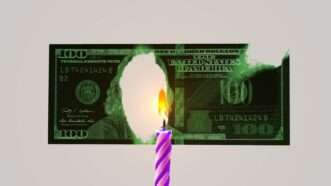
Forty years from now, it'll be much, much, much higher.
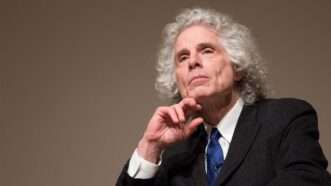
The Harvard linguist says Enlightenment reasoning and critical thinking are behind massive increases in material and moral progress.

What Reagan's tariffs in the '80s can teach us about today's foreign-made semiconductors
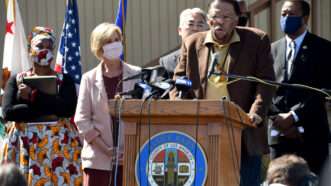
The government confiscated Bruce's Beach at racists' behest.

A bill touted as banning "critical race theory" in schools would actually ban a huge array of speech around culture, race, and sex, its sponsor says.
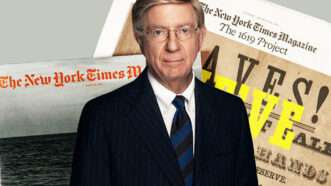
The Washington Post columnist says President Joe Biden isn't a progressive but "will go where the [Democratic] party goes, and the party is being driven by other people."

Telling a century's worth of stories about the people who had done creative things on the radio dial—and their opponents
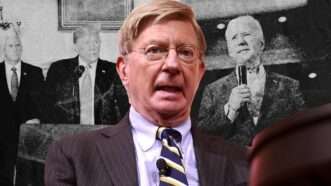
When government "gets out of the way, we're going to see again, the creativity of the American people," says the 80-year-old optimist.
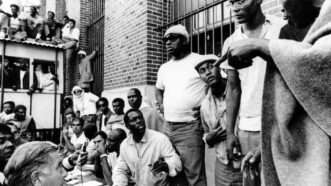
The men of Attica said they had "set forth to change forever the ruthless brutalization" of U.S. prisoners. For all the horror and bloodshed, not much has changed.

We may have misinterpreted 9/11 as a harbinger, when it was really just an outlier.

As the 20th anniversary of 9/11 approaches, prepare for the many, many looks back.
Friday A/V Club: Some people are against concentrated media power. Some just want to bend it to their will.
Work, not dependency, was what lifted many people up out of poverty.

The When Rabbis Bless Congress author and C-SPAN honcho on a weird political tradition and the glorious death of legacy media

A new book explores how New York has transformed itself since the crises of the 1970s.
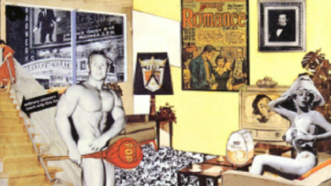
Why postwar culture from Jack Kerouac to Andy Warhol to James Baldwin to Susan Sontag to Yoko Ono battled boundaries hemming them in.
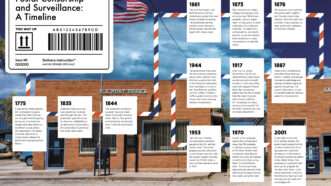
The government's long and shameful history of intercepting people's letters
“The fact that it hasn't ended in the past 230 years suggests that maybe [it will] last a good deal longer,” says historian Dennis C. Rasmussen, author of Fears of a Setting Sun: The Disillusionment of America's Founders
Plus: Fast approval of Alzheimer's drug draws scrutiny, the value of disagreement, and more...
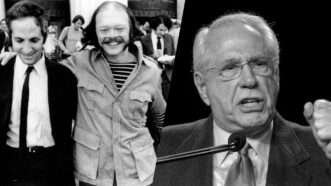
Whistleblowers and publishers are crucial for keeping government officials reasonably honest.

That time a civil rights activist teamed up with Richard Nixon to build a black-run town in rural North Carolina
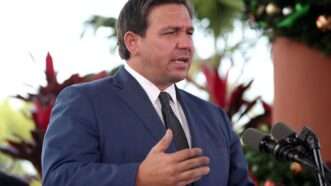
It's wrong for politicians to suppress important debates in schools. Instead let families have more control of their kids' educations.
Celebrate your independence with a subscription to Reason magazine, your most trusted source of honest, insightful news and analysis.




