
Kansas and California Cops Used Civil Forfeiture to Stage Armored Car Heists, Stealing Money Earned by Licensed Marijuana Businesses
The Institute for Justice argues that the seizures violated state law, federal law, and the U.S. Constitution.


The Institute for Justice argues that the seizures violated state law, federal law, and the U.S. Constitution.
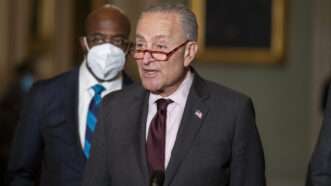
Stranger still, the leading drug policy reform organization supported Schumer's obstruction.
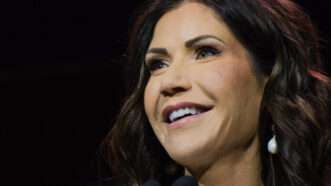
The South Dakota Supreme Court ruled that the ballot initiative violated the "single subject" rule for constitutional amendments.

Rep. Nancy Mace is touting "a framework which allows states to make their own decisions on cannabis."
Democrats need to decide whether they want to legalize marijuana or just want credit for seeming to try.
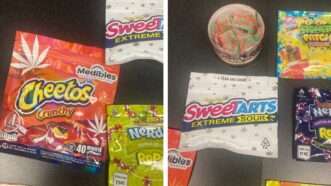
Police are still pushing this discredited scare, but it seems fewer people are falling for it.
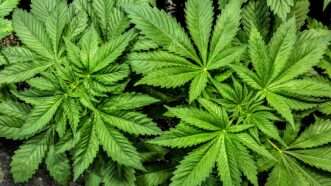
The 36 percent drop may also be partly due to pandemic-related restrictions that drove cannabis consumers indoors.
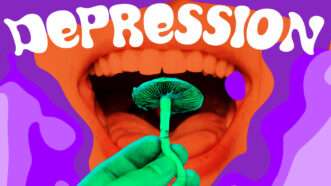
Oregon will license and regulate psilocybin-assisted therapy by 2023. Some health care professionals aren't willing to wait.

Harm reduction invites a radical reconsideration of the way the government deals with politically disfavored intoxicants.

What have policy makers learned since Colorado became the first state to allow recreational use in 2012?

Small-scale drug possession is now a $100 infraction that can be dismissed with a call to a drug abuse assessment hotline.
Much of what government does is tax people to try to fix problems that government caused.
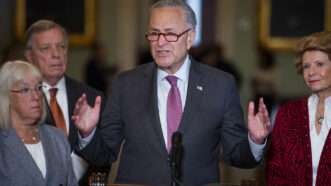
The Senate majority leader's racial rhetoric and overly prescriptive approach make an already iffy effort even more quixotic.

The evolution of Pollan's thinking reflects the confusion caused by arbitrary pharmacological distinctions.

Sha’Carri Richardson’s suspension for marijuana use highlights an arbitrary distinction that makes less sense than ever before.
Six years after the court ruled that pot prohibition was unconstitutional, the Mexican Congress is still dithering about how to license and regulate commercial suppliers.
The president supports the ban, and his fellow Democrats do not seem serious about attracting Republican support for repealing it.
Adding to the puzzle, another study from the same organization found "no increased crash risk" associated with cannabis consumption.

Plus: The federal government gets a jump-start on celebrating Juneteenth, the masks come off in California, and more...
The puzzle of marijuana's Schedule I status invites a reconsideration of the agency's vast discretion to decide which substances should be prohibited.
The new administration does not appear to be interested in addressing the conflict between state and federal marijuana laws.
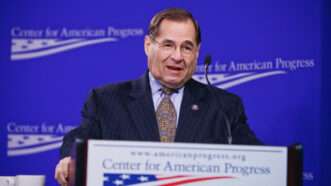
The MORE Act, which was reintroduced today, is full of contentious provisions that go far beyond repealing federal prohibition.
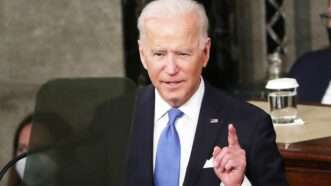
The president still has not caught up with most Americans on marijuana policy.
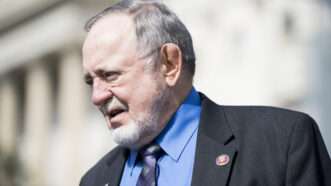
Under current law, marijuana users who possess firearms are committing a felony punishable by up to 10 years in prison.
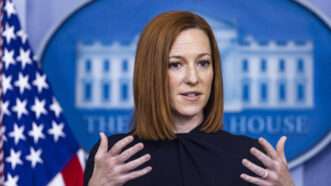
Press Secretary Jen Psaki repeatedly tried to muddy the issue by changing the subject to reclassifying marijuana.

Hint: The exact same way you should talk to them about booze, swearing, and scary movies.

By the court's logic, the ballot summaries for many successful legalization initiatives were "affirmatively misleading."

Kristi Noem is determined to defy the will of her constituents. The South Dakota Supreme Court will decide whether she can.
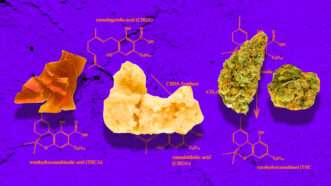
If states generally don't limit the potency of distilled spirits, why is such a safeguard necessary for a much less hazardous product?

Neuropsychopharmacologist Carl Hart says most of what the public knows about drugs is both scary and wrong.
Three recently approved plans show what politicians have learned (or failed to learn) since Colorado became the first state to allow recreational use.

Joe Biden, meanwhile, supports continued national prohibition, maintaining an untenable conflict between state and federal laws.
The law is surprisingly permissive in some ways, but it includes high taxes and other provisions that hurt consumers.

A compromise is now circulating that would establish a market but also allow growing at home.
New Mexico could be the 16th state to legalize pot, while Texas considers tinkering with its onerous penalties and Pennsylvania continues to arrest cannabis consumers.

Uruguay legalized recreational marijuana in 2013, followed by Canada five years later. Two more countries will soon join their ranks.
Two studies published in November found that legalization has not been associated with increases in adolescent marijuana use or addiction.
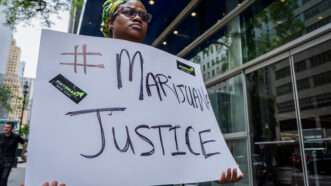
Plus: "Cancel culture" confusion, Biden rejects student loan forgiveness, Stossel and Snowden on internet privacy, and more...
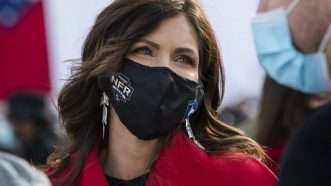
After getting a ballot initiative voided, she says she’ll also resist legislators attempting to legalize marijuana.
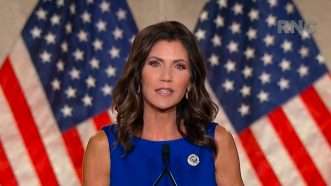
Voters approved it, but the governor resisted. A court came down on her side.

His new book, Drug Use for Grown-Ups: Chasing Liberty in the Land of Fear, is a provocative manifesto for legalizing all drugs.
If passed, the bill would allow for legal possession by July 1.
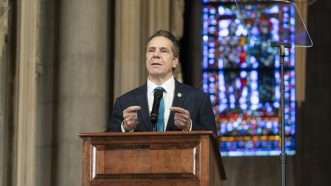
No home cultivation? Increased criminal penalties? This is not the way to end a drug war.
The bill is unlikely to make headway in the Senate, but it could nudge President-elect Joe Biden toward more ambitious reforms.
Plus: Trump says he'll veto defense bill if it doesn't destroy the internet, House moves to free federal court records, and more...
The MORE Act, which would repeal federal prohibition, is scheduled for a vote this week.

Depending on how soon Mexico acts, Israel could be the third country in the world to allow recreational use.
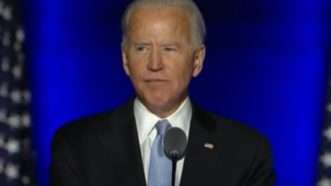
The reformed drug warrior opposes marijuana legalization and supports "mandatory rehabilitation" for people who violate the government’s pharmacological decrees.
Celebrate your independence with a subscription to Reason magazine, your most trusted source of honest, insightful news and analysis.




