
Who Can't Afford Food?
Plus: Iran deal, J.D. Vance on morality, L.A. hemorrhages population, and more...


Plus: Iran deal, J.D. Vance on morality, L.A. hemorrhages population, and more...

The D.C. mayoral race offers two leading candidates who are saying a lot of the right things about housing supply.
His plan to expropriate rental housing violates the Takings Clause, and would exacerbate the City's housing crisis rather than alleviate it.

New York lawmakers exempt some housing from the state's environmental review law while piling taxes on second homes.

Conservatives want local control over housing policy, but they're happy to let the state restrict when local governments can raise taxes.

The rare reported fall in the nation's homeless population is mostly the result of the ebbing migrant surge of 2023 and 2024.

If the government does not reduce the cost of public services, then a special tax break for one group merely forces everyone else to pick up the slack.

Couched with good intentions, new laws aimed at housing and artificial intelligence development will add more layers of red tape to Maryland’s growing bureaucracy.


The House passes a housing bill that protects build-to-rent development while still cracking down on large investors.

Robby Soave and Christian Britschgi discuss Rep. Thomas Massie's defeat, Jeff Bezos' comments on taxes, and squatters in California.

Yglesias supports an alliance and has key points of agreement with libertarians, but also criticisms of libertarianism. I welcome former and respond to the latter.

California's failure to eject squatters from the properties they've seized undermines the state's new housing laws.
California has failed to protect private property from squatters. Desperate owners are turning to katana-wielding enforcers to reclaim their homes.

Nominees include stories on America's gerontocracy, the war on chocolate, how Texas beat California on housing, and more.

Plus: the damage done by inclusionary zoning, total YIMBY victory at California gubernatorial forum, and Trump's reversion of build-to-rent

Politicians on the left and right are increasingly blaming large investors for raising home prices. Here's why they're wrong.

The commission has tormented property owners and localities ever since it was created in 1976. Finally, legislative and legal efforts are undoing some of its abuses.

Historic preservation laws often violate constitutional property rights, and block construction of new housing.

An initiative that would streamline California's development-killing environmental review law appears to be headed to the ballot.

Mere proposals can change the risk calculus for business and investors. Politicians, and the public, should be wary.

The owners of the house that Marilyn Monroe died in claim in a lawsuit that the city took their property when it landmarked it.

This emerging school of thought has its flaws. But it's a potentially valuable ally for libertarians and other free market advocates.

What Idaho's slew of zoning reforms says about YIMBY politics and policymaking in the states.


A popular revolt against state-led zoning reform in Colorado, Massachusetts' contradictory approach to housing supply, and how municipalities lobby to kill housing.

A recent string of zoning controversies show how land use regulations have become the enemy of all good things.

"Why should somebody else have this right to decide the direction of my own life?" asks Timothy Sandefur, author of the book You Don't Own Me.

Plus: D.C. considers single-stair reform, Idaho legalizes starter homes, and Florida bans discrimination against manufactured housing.

It argues that the right to use property is central to both the value of property rights generally, and the property rights protected by the Takings Clause of the Fifth Amendment.

Plus: The "Montana miracle" wins one last court battle, D.C.'s "devastatingly unambitious" growth plan, and your Fourth Amendment right to refuse federal housing vouchers.

Plus: An effective build-to-rent ban advances in Congress and Florida expands one of the country's most successful zoning reforms.
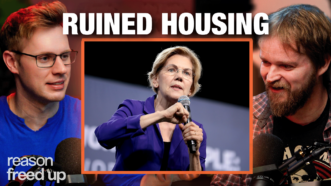
Robby Soave and Christian Britschgi return to discuss yet another bad idea from Elizabeth Warren and if the war in Iran will end sooner rather than later.

Plus: bad arguments in favor of a build-to-rent ban, a tanker plane crash kills four in Iraq, signs the Iran war isn't going so well, and more...
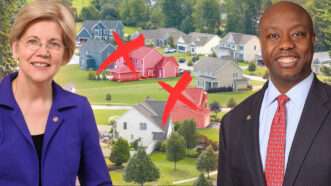
The Senate's proposed inclusion of an effective ban on build-to-rent housing in a bipartisan housing bill could significantly shrink new home production.
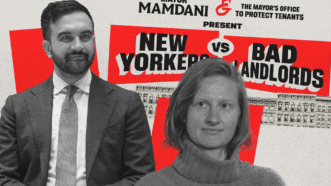
Demonizing landlords might make for good social media, but it does nothing to reduce the regulations that make New York housing so expensive.
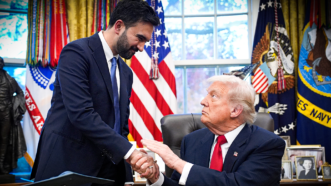
Plus: New Jersey property owners survive an eminent domain attempt based on bogus blight allegations, a corporate homebuyer ban is slipped into Congress' housing bill, and the true cost of permitting in L.A.

A transfer tax on high-value real estate transactions is reducing the number of homes on the market and limiting new construction.

Most of the discussion was focused on the wrong issue. What matters under the Takings Clause is not the "fairness" of the process by which the owner's house was taken, but whether he got adequate "just compensation."

Large investors are a small, beneficial presence in the single-family home market.

Taxing new housing will always reduce housing production.

What's a "tax the rich" mayor going to do when he can't actually tax the rich?

Plus: Zohran Mamdani's rent rip-off hearings exclude public housing tenants, Boston Mayor Michelle Wu is a "yes" on rent control, and the intersection of zoning and qualified immunity.

Plus: The House passes housing reform, Florida advances ADUs, and Zohran Mamdani hosts show trials for bad landlords.

Allowing more homes to be built on existing residential land would be good for homeowners, homebuyers, and homebuilders.
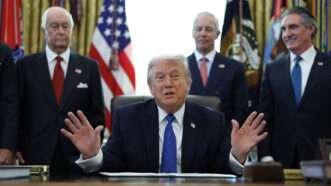
The president says he would rather increase prices for homeowners than drive prices down.

The president's order is not the comprehensive ban on large investor–owned housing that he promised. But it could still have a chilling effect on the single-family rental market.
Celebrate your independence with a subscription to Reason magazine, your most trusted source of honest, insightful news and analysis.




