Trump's Tariffs and John Roberts' Credibility
Learning Resources v. Trump will test both executive power and judicial fidelity.

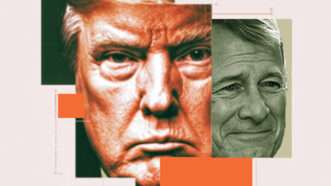
Learning Resources v. Trump will test both executive power and judicial fidelity.
Plus: Virginia and New Jersey governor’s races, a court ruling extending SNAP funding during the shutdown, and Trump’s tariff fight reaches the Supreme Court
The administration's legal brief reveals a critical contradiction in Trump's trade policies.

The Supreme Court will hear a case next week challenging the legality of President Donald Trump's "emergency" tariffs.

President Donald Trump says his tariffs protect American businesses, but more than 700 small businesses represented by We Pay The Tariffs beg to differ.
Plus: "Freeze the rent" hypocrisy, B-52s near Caracas, the Armani class votes Mamdani, and more...

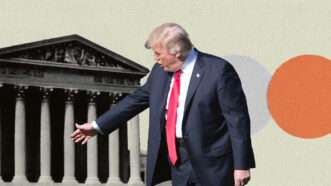

Plus: Trump’s new tariffs on Canada, more unauthorized military strikes in Venezuela, and what a Mamdani victory in NYC could mean for the country.
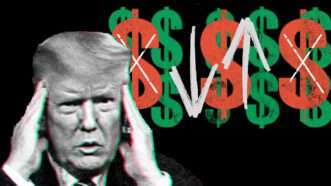
Crutchfield Corporation, a Charlottesville-based and family-owned electronics retailer, has submitted an amicus brief in support of challenges to the president’s reciprocal tariffs.
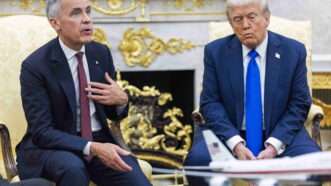
The Supreme Court is set to hear arguments in November on whether Trump's use of tariffs is constitutional.

Plus: Argentine election results, whether Zohran's running mostly on economic issues, and more...
Plus: Betting scandal in the NBA, inside the most worrisome porn subculture, and more...
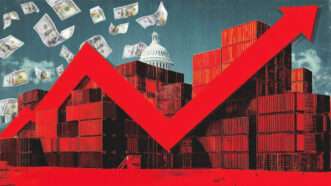
The new report examined prices of French wine after Trump imposed tariffs in 2019.

The president somehow believes that tariffs can deliver wins for both producers and consumers. It is maddening and nonsensical.
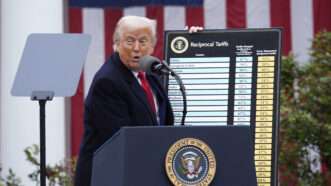
The Trump administration is reportedly looking to ease some tariffs on goods not produced in the U.S., as the consequences of a universal tariff scheme are becoming impossible to ignore.
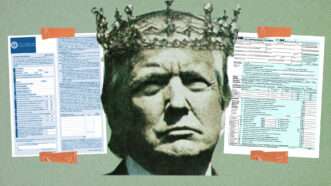
The correct answer is: Yes, even when they are also regulations. Whether the Court agrees could determine the future of presidential power.

The evidence is clear that we are paying more, U.S. firms have lower margins, and exports are collapsing in flagship industries.

“We have to do something about labor, and that needs to be a smarter plan than just rounding up every single person and deporting them,” the Georgia congresswoman said.
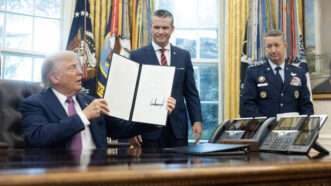
It turns out that free trade is essential for the military too.
Plus: new tariff threats escalate China trade war, federal layoffs begin amidst the government shutdown, and Democrats face a candidate-quality crisis

The war in Gaza was already over in January. Trump let it reopen and expand. A ceasefire is good—but it should have happened much earlier.
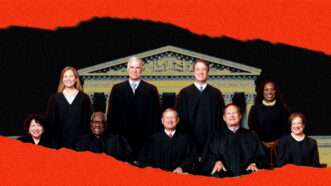
In a new Supreme Court term packed with big cases, these disputes stand out.

The Trump administration has already claimed the power to raise taxes without congressional approval. Now it is going to spend money that way too.
This time, Democrats turned the most basic government housekeeping into hostage drama.

The president’s movie tariff proposal faces several legal and logistical challenges to implementation.

Trump’s trade war is hitting wineries, distillers, and distributors with product shortages and soaring costs—leaving customers to pick up the tab.

The bailout would simply redistribute wealth from American businesses and consumers to farmers. Here's a better idea: end the tariffs.

There’s an opportunity to abandon bad policies that raise consumer costs and move toward free trade.
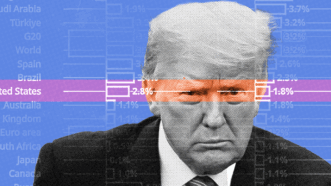
The OECD just published its projections for American growth, and they're grim.
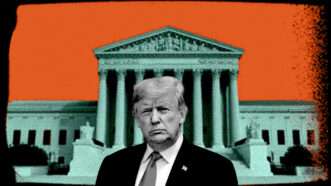
The president’s attempt to evade the major questions doctrine deserves to be rejected.

House Republicans passed a resolution that prevents Congress from ending the national emergency Trump is using to impose tariffs until March 31.
Whether he is waging the drug war, imposing tariffs, deporting alleged gang members, or fighting crime, the president thinks he can do "anything I want to do."

Inflation hit its highest level since January, with prices rising 0.4 percent in August.
The cases will be considered on an accelerated schedule.

The same legal theory that tripped up Joe Biden's student loan scheme could also sink Donald Trump's tariffs.
We agree the Court should take the case and resolve it as quickly as possible, to minimize the harm caused by the illegal tariffs.
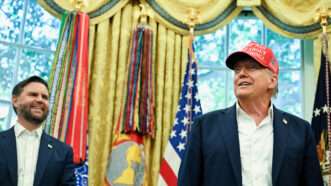
Trump promised that protectionism and immigration enforcement would be good for the economy. The latest jobs report tells a different story.

The U.S. is risking its liberty and its prosperity with such high tariffs.

Manufacturing has been in decline for six months, nearly the exact amount of time since Trump's new trade wars began.
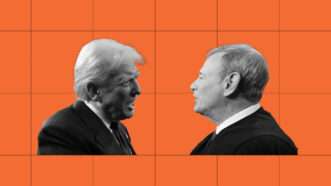
Plus: A momentous date in the life of Frederick Douglass
Plus: Bombing "narco-terrorists" in the Caribbean, American manufacturing shrinks for the sixth consecutive month, Massie wants the Epstein files, and more...
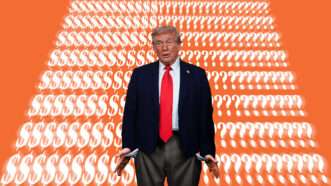
The administration attributed the $8 trillion figure both to new investment and to tariff revenue. So which is it? Neither.

Plus: The National Guard standoff in Chicago, navigating debates when you’re outnumbered, and a court ruling that could upend Trump’s tariff agenda.

Donald Trump's claim that the appeals court ruled against him for partisan or ideological reasons is hard to take seriously.

The administration says the country faces complete destruction if it's forced to pay back money it hasn't yet received.
Celebrate your independence with a subscription to Reason magazine, your most trusted source of honest, insightful news and analysis.




