
Democrats Are Denying Basic Economics
Under Biden, Democrats have decided that their agenda has no costs and no tradeoffs.


Under Biden, Democrats have decided that their agenda has no costs and no tradeoffs.
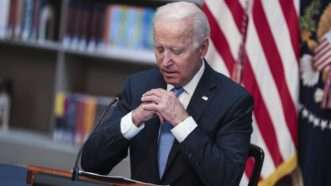
Profligate government spending supposedly has nothing to do with it.
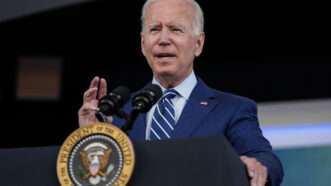
Democrats are now relying on the same "dynamic scoring" technique they've previously criticized.
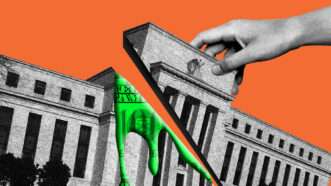
Democrats want to raise the debt ceiling, while Republicans occasionally remember they're against big government spending.

A new study shows that former President Donald Trump's tariffs did little to push American companies out of China.
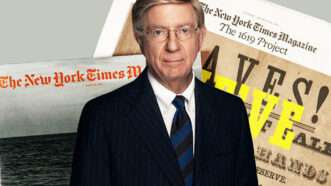
The Washington Post columnist says President Joe Biden isn't a progressive but "will go where the [Democratic] party goes, and the party is being driven by other people."
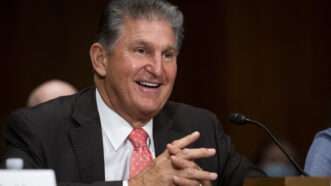
The problem isn’t the GOP or Senate rules. It’s that Democrats can’t agree amongst themselves.

Taking advantage of variations in state minimum wage hikes, researchers find strong effects for bigger hikes, not much for smaller ones.
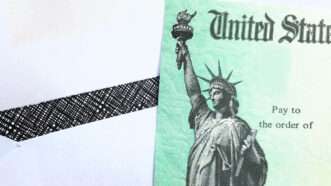
Biden's American Families Plan would put most working-age American households on the dole.
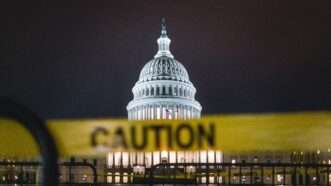
A new analysis projects that private capital, wages, and America's GDP will fall over the next three decades if Congress passes the $3.5 trillion reconciliation package. But at least government debt will grow!

Plus: Vaccine mandates are popular, Texas versus free speech, and more...
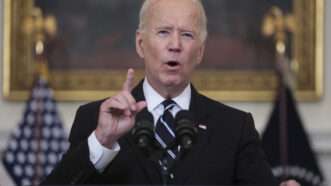
Plus: The vaccine and abortion debates, a promising jobs report, and more...

Growing evidence confirms that barriers to immigration make us all worse off.
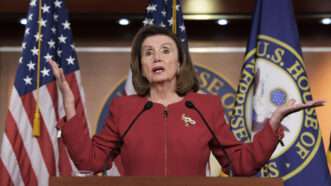
The federal health care program is on track for a trust fund shortfall in just five years. But instead of paying for the program that exists, Democrats want to expand it.
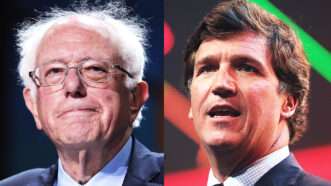
The two are idolizing the wrong models.

Labor unions have been lobbying federal regulators to mandate that all freight trains operate with two-person crews in the cab. But automation renders this largely pointless.
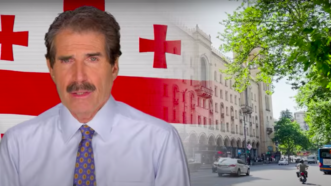
"Government should be very small. It should just regulate the minimum."
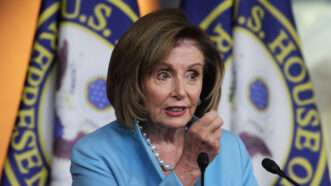
To spend a lot of money, or to spend a lot more money? That is the question.

Taking the "public" out of public service

Plus: You can't FOIA politicians' browser histories, Pentagon compels commercial airlines to evacuate Afghan refugees, and more...

The final price tag could eventually exceed $6 trillion, and American taxpayers will be paying the tab when the 50th anniversary of 9/11 arrives.

What good is protectionism that isn't protecting anything?

Ryan Reynolds stars as a video game character who discovers his whole life is a lie.

The Senate just passed a $1.2 trillion bipartisan infrastructure bill—and teed up another $3.5 trillion bill in the process.

A CBO report that might have sunk legislation in an earlier era was greeted with a bipartisan shrug.
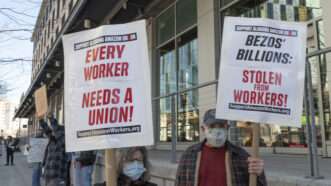
In April, workers in Bessemer, Alabama, voted 2-to-1 not to unionize. Now they may be asked to recast their votes.

New GAO report says the process for determining which companies could avoid paying those tariffs was rife with "inconsistencies" and poorly documented decision-making.
Much of what government does is tax people to try to fix problems that government caused.
Bezos pitched in by creating an online marketplace of cheap consumer goods that people can get delivered to their homes in two days flat.

Today's antitrust activists forget that big companies with significant market share come and go.

Every time cops denounce reform efforts it is evidence of a win.

Mocking penis-shaped rockets is no substitute for holding the feds accountable for a looming fiscal crisis.
A simplified tax code is the answer, not giving the IRS more funding.

As inflation increases, we need a low-debt environment.

Board precedent, First Amendment concerns and a fair assessment of the message communicated by a giant inflatable rat carried the day.
The U.S. national debt held by the public is currently almost $22 trillion, surpassing the country's annual GDP for the first time since World War II.

Why postwar culture from Jack Kerouac to Andy Warhol to James Baldwin to Susan Sontag to Yoko Ono battled boundaries hemming them in.
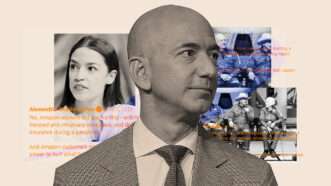
After returning from space yesterday, Jeff Bezos thanked Amazon customers who made his fortune possible.


Financial consultant John Vallis vs. George Mason University economist Lawrence H. White

Monetary policy can't work optimally until we free up the economy in other important ways.

Financial consultant John Vallis vs. George Mason University economist Lawrence H. White

Taxing Americans to punish other countries for having lax environmental rules would be a logistical and bureaucratic nightmare. Democrats are trying to do it anyway.
Plus: The growing trust gap, pandemic-low unemployment numbers, and more...
The American Families Plan hits individuals with identical net worths very differently.
Plus: Treating social media platforms as common carriers, Norway criminalizes sneaky influencer editing, and more...

Governments at the state, local, and federal levels can obstruct our pursuit of happiness and at times even jeopardize our safety.

Amazon's CEO stepped down this week after 27 years of extreme customer focus.
Celebrate your independence with a subscription to Reason magazine, your most trusted source of honest, insightful news and analysis.




