What Ronald Reagan's Fusionist Politics Teach Us About Liberty, Virtue, and Their Limits
Fusionism holds that virtue and liberty are mutually reinforcing, and that neither is possible in any lasting or meaningful way without the other.

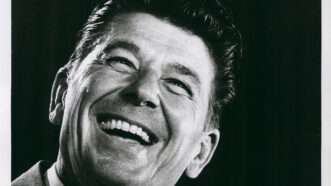
Fusionism holds that virtue and liberty are mutually reinforcing, and that neither is possible in any lasting or meaningful way without the other.

House members who discovered objectionable elements only after voting for the package nevertheless underline the unseemly haste of the legislative process.

Paul said he refuses to support "maintaining Biden spending levels," and Musk said the Trump-backed tax bill is "a disgusting abomination."

DOGE says regulatory changes will save $29.4 billion, but that does not amount to a reduction in government outlays, the initiative's ostensible target.
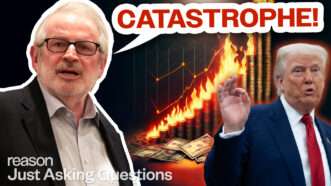
Reagan's budget chief warns that the One Big Beautiful Bill Act could balloon the national debt to $60 trillion, risking a catastrophic bond market crisis.
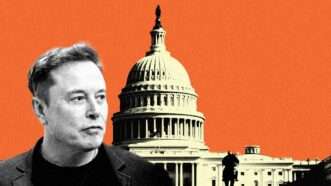
Musk's opinion about the bill matters, since he is one of the few people in conservative politics who can get away with defying Trump.
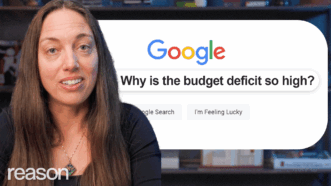
Higher debt means lower wages, higher interest rates, and fewer opportunities, says Romina Boccia of the Cato Institute.
The lesson from the Moody's credit downgrade is that the U.S. cannot borrow its way to prosperity.
That total could double if temporary provisions in the bill become permanent, as is likely to happen.

Friday's announcement by Moody's and the House Budget Committee vote could have been a turning point.
We don't need more of the same. We need evidence of a serious turnaround.

As he shifts his focus away from DOGE, he acknowledges the need for hard choices and congressional action.
Impoundment, line-item vetoes, and the tricky problem of cutting spending through the executive branch
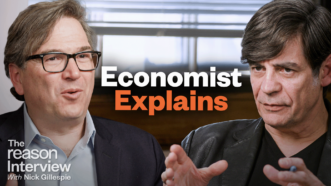
Former Obama administration economic adviser Jason Furman explains why both major parties have abandoned economic reality in favor of political fantasy.
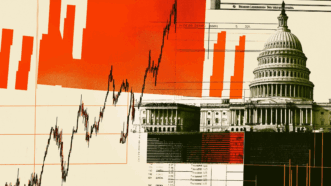
That's the highest total outside of the COVID-19 pandemic, and now Congress wants to borrow even more.
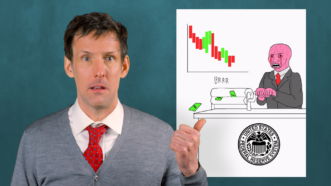
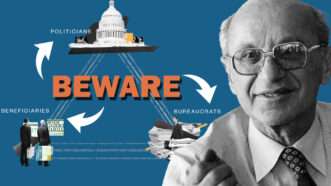
The Nobel Prize-winning economist says the Iron Triangle of Politics must be defeated to cut down the government for good.
Taxes on imports cannot possibly deliver all the benefits the president is promising.

Despite efforts to rein in government debt, gold prices keep rising—suggesting investors aren’t buying the promises of fiscal responsibility.

Musk's fans and critics will keep debating whether DOGE is revolutionizing government or wrecking important institutions.

The cost-cutting initiative's calculation of "estimated savings" is mostly mysterious, and the parts we know about are riddled with errors.

The U.S. can defend itself at a lot less expense.

Entitlements are a much bigger expense, but that doesn't mean the waste doesn't matter.
The president's assertion is divorced from reality, and so are the "estimated savings" touted by Elon Musk.

Means-test Social Security, raise the retirement age, and let us invest our own money.
Cuts to government spending mean fewer bonds, lower borrowing costs, and potentially a break for borrowers.

The presidential adviser's lack of formal authority complicates his cost-cutting mission.

"If the Republican budget passes, the deficit gets worse, not better," says Rep. Thomas Massie. He's right.

If Defense Secretary Pete Hegseth is serious about reducing military spending, he will need to embrace a narrower understanding of national security.
It tries to offset as much as $4.8 trillion—mostly for tax cut extensions—with only $1.5 trillion in supposed spending reductions.
Elon Musk, the president's cost-cutting czar, has a habit of overpromising and underdelivering.
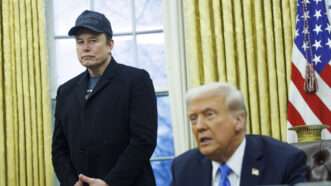
Even if the Department of Government Efficiency eliminates all improper payments and fraud, we'll still be facing a debt explosion—which requires structural reform.
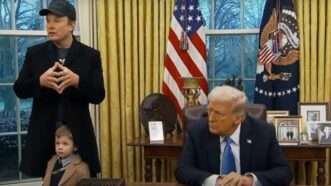
The DOGE director wildly exaggerates what can be accomplished by tackling "waste, fraud, and abuse" in government spending without new legislation.
The pretend department’s downgraded mission reflects the gap between Trump’s promise of "smaller government" and the reality of what can be achieved without new legislation.
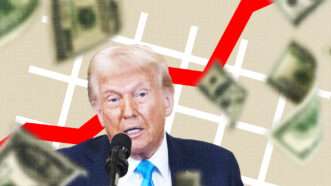
Republicans are betting trillions on the hope that the economy will grow fast enough to cover their deficit spree.

"Personnel is policy" has shaped past administrations. Kevin Hassett, who has been tapped to lead the National Economic Council, will have a hand in tax reform, debt reduction, and more.
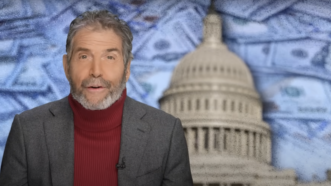
Eliminating the deficit requires cutting the biggest spending—defense, Medicare, Social Security. So far, Trump says he won't touch those.
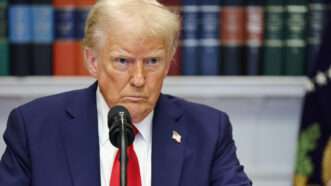
Almost exactly one year after Congress swore off self-inflicted fiscal crises, we're back to the same tired theatrics.
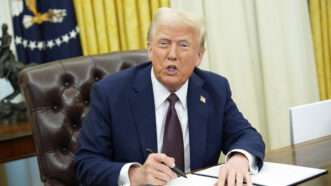
But at least he restored respect for a tariff-loving predecessor by renaming a mountain.
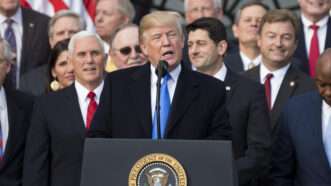
Not doing so could be harmful for just about everyone.

DOGE won't necessarily have to kill any of Republicans’ sacred cows—but they will have to be put on a diet.
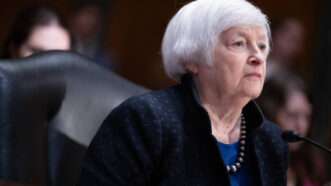
The Treasury Secretary’s debt decisions during the pandemic locked in low rates—but only for two years. Now, taxpayers are paying the price.
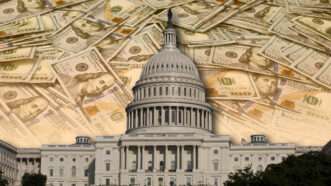
With inflation risks persisting and entitlement spending surging, the situation cannot be ignored. But we never should have gotten to this point to begin with.
Plus: Taking gerontocracy to new heights, a real life Arc Reactor, Happy Festivus, and more...

Plus: House Speaker Elon Musk, the value of the debt ceiling, and D.C.'s shut down specials.
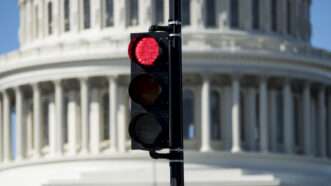
This week's House Budget Committee hearing showed bipartisan agreement about the seriousness of America's fiscal problems.

Everyone loves lower taxes, but cutting them without reducing spending is bad news for the national debt.
Celebrate your independence with a subscription to Reason magazine, your most trusted source of honest, insightful news and analysis.




