
Yes, Anti-Israel Protests Are Free Speech
Peaceful pro-Palestine protests are protected by the First Amendment, even if protesters often use offensive or inflammatory rhetoric.

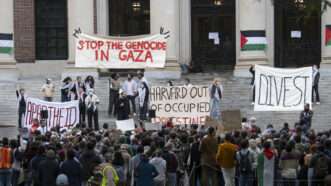
Peaceful pro-Palestine protests are protected by the First Amendment, even if protesters often use offensive or inflammatory rhetoric.
Almost 10 years after his arrest, Marvin Guy will soon learn if he'll spend the rest of his life in prison.

The bipartisan Government Surveillance Reform Act would stop a lot of warrantless surveillance as a condition for renewal of Section 702 authorities.
Plus: Trump's asset valuation expertise, surfer COVID rage, Adam Neumann's flop, and more…
because she was angry about the Israel-Hamas war, Indianapolis police said."
Plus: A listener asks the editors about requiring gun buyers to pass a psychological assessment.
The government treats its endless appetite for information about citizens as more important than people's ability to conduct business in a normal fashion.
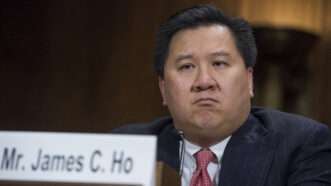
In an upcoming Supreme Court case, the Cato Institute argues that the "threadbare procedures" required by federal law provide inadequate protection for constitutional rights.
Harvard concludes that it is, but I’m skeptical that this is right—just as I’d be skeptical that an employer’s restricting pro-Hamas speech constitutes such discrimination or harassment.
was a violation of free speech principles, Harvard concludes.
The plea agreement recommends that he receive probation.
even though the First Amendment doesn't itself provide such protection. [UPDATE 8/10/26 9:54 am: This has been reversed.]
Idaho's Attorney General Raúl Labrador so opines, including a rousing defense of academic freedom, including in scholarship and teaching.
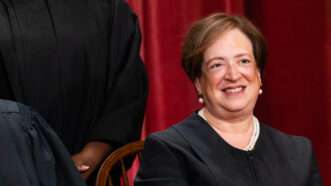
The Supreme Court considers whether and when banishing irksome constituents violates the First Amendment.
The controversy is similar to part of the controversy in Murthy v. Missouri (formerly Missouri v. Biden), which also involves allegations of government coercion aimed at interfering with speech.

Commercial speech enjoys First Amendment protections, whether politicians like it or not.

The law makes it a felony to possess a firearm within 1,000 feet of a school, which covers the sidewalk in front of Gabriel Metcalf's house.
Hustler Magazine v Falwell comes to small town politics.
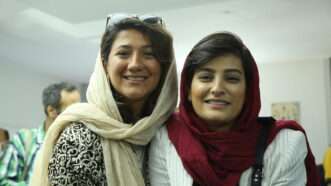
and a much more common rejection of plaintiff-side pseudonymity.
Q&A with the author of the book Elon Musk calls "an excellent explanation of why capitalism is not just successful, but morally right."

Criticism of the state’s "yellow flag" statute is doubly misguided.
Only one federal firearms prohibitor does not require any specific finding of fact
Without a prompt post-seizure hearing, people can lose their property for months or years even when they ultimately get it back.

Joshua Garton spent nearly two weeks in jail for "manufacturing and disseminating a harassing photograph on social media." A First Amendment lawsuit quickly followed.
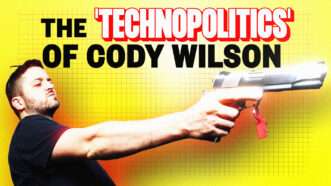

Passes are parabolas, "you've got to be a sorry mofo to steal from the lowest of the low" was hyperbole.

The appeals court is reviewing an injunction by a judge who concluded that the law is inconsistent with the Supreme Court's Second Amendment precedents.
It's unlikely to stop would-be shooters, but it certainly would allow more innocent people to be locked up with little recourse.

School officials in three states are effectively immune from lawsuits over excessive corporal punishment. A Louisiana mother is asking the Supreme Court to step in.
Whether Florida may order universities to derecognize Students for Justice in Palestine chapters would likely turn on whether there's evidence on sufficient coordination between them and the national SJP, and the national SJP and Hamas.
"Appellant wants the option to hide behind a shield of anonymity in the event he is unsuccessful in proving his claim, but he would surely identify himself if he were to prove his claims."

Federal agencies frequently buy their way around the Fourth Amendment.
"While instructors enjoy considerable freedom and all individuals, when acting as private citizens, enjoy free speech rights, University policy does impose limits on using the classroom or one's course for purposes of political advocacy."
Celebrate your independence with a subscription to Reason magazine, your most trusted source of honest, insightful news and analysis.




