Judge to PragerU: You Do Not Have a Free Speech Claim Against YouTube
Tech bias, real or alleged, does not violate free speech rights.


Tech bias, real or alleged, does not violate free speech rights.
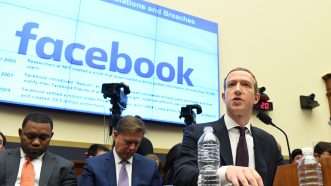
As surely as winter follows fall, Republican election victories are followed by unconstitutional attempts to restrict political speech.
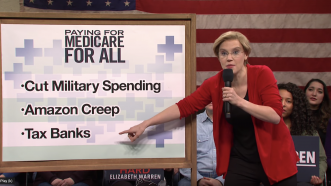
Senator can't even accurately represent a plan whose numbers don't remotely add up

The Los Angeles Department of Transportation's data-sharing requirements for dockless mobility companies have been criticized for invading users' privacy and violating state law.
Same for "Islam is right about women" flyer -- both are labeled "hate-filled flyers" by the University, and apparently the police and the FBI are investigating the distribution of the flyers.
Episode 7 of Free Speech Rules, from UCLA law professor Eugene Volokh
Sealed litigation is a rare exception to American courts' normal rule of public access.

The Founders liked militias, but they also liked an armed citizenry. To them, the two ideas were inseparable.
Lawsuits are matters of public record -- and you generally can't hide them from prospective business partners, employers, house buyers, or others.

But the technical nature of the decision might not stop future lawsuits.
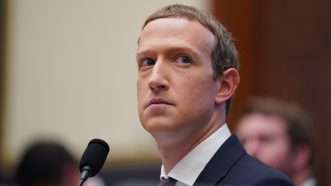
Plus: The ACLU sues the FBI, divorce rates are at 40-year low, and more...
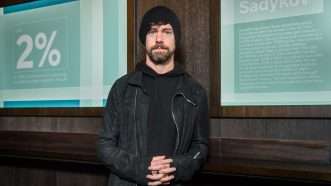
Twitter has made a bad decision when it comes to banning political ads from its site. They should trust users to decide what is right or wrong.

Attacks and threats by elected officials lead to inevitable self-censorship.

Citing the First Amendment, the judge tells the sheriff he may not force certain homes to display signs warning trick-or-treaters to stay away.
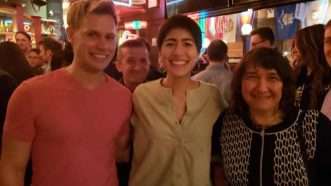
Mattress girl's unlikely friendship with Reason folks is the subject of a recent piece for The Cut.

WhatsApp (and owner Facebook) sues to protect users from malicious surveillance from officials.
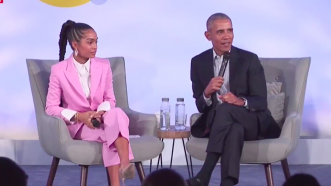
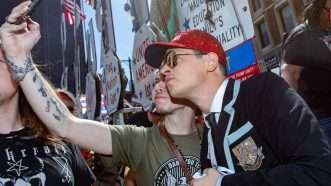
"This idea of purity and you're never compromised, and you're always politically 'woke,' and all that stuff, you should get over that quickly."

The 21-year-old faces criminal punishment for text messages to her suicidal boyfriend.

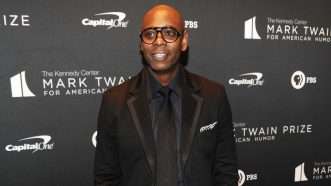
The comedian received the Mark Twain Prize for American Humor at the Kennedy Center in D.C. this weekend. His acceptance speech airs on PBS in January.
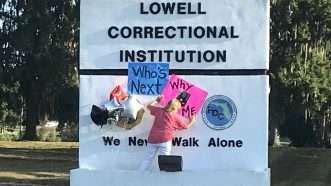
"We are a prison system that's overstuffed and under-guarded, and that is a lethal combination of policies," says state Sen. Jeff Brandes.

Operation Independence Day is just Operation Cross Country by a different name.
A girl in a Maine public high school wrote this on a sticky note in a girls' bathroom; she was suspended for "bullying" a male student who was apparently seen as the target of the message—but a federal judge has stayed the suspension, concluding her speech was probably constitutionally protected.
Most respondents, especially millennials, favored viewpoint-based censorship, suppression of "hurtful or offensive" speech in certain contexts, and legal penalties for wayward news organizations.

The FDA finally has agreed to allow a mild statement about the relative hazards of snus and cigarettes.
An interesting court opinion, though I think on balance mistaken.
"[Anne King's ex-husband], [Washington County Sheriff's Department] Captain King, feeling upset and 'disrespected' over the post, contacted Washington County's magistrate court about initiating a criminal complaint against Ms. King."
"The more research Mr. Rigg did for the book, the more discrepancies appeared."
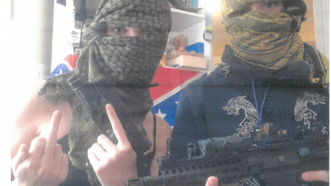
She didn't break the law or threaten anybody, but her school still panicked.
Plus: Cryptocurrency crashes, prison abuse protests in Florida, the death of the center-right, and more...

Another show trial for Facebook's beleaguered CEO

In his new manifesto The Three Dimensions of Freedom, the veteran punk rocker calls out libertarians for focusing solely on economic freedom. Is his case worth buying?

Well, at least they have the name!

Law enforcement and prosecutors have seized millions from people they’ve arrested. That might be coming to an end.
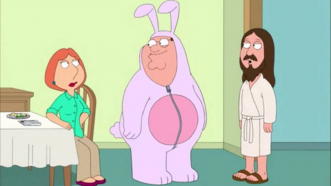
The state's hate crimes law—a "rarely enforced relic dating to 1917"—eviscerates free speech.
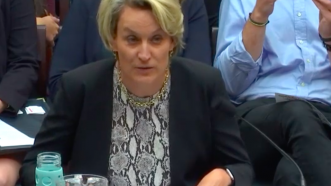
Gutting Section 230 would make it harder to track drug deals, not easier.
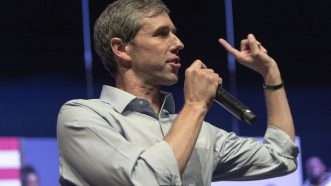
Beto O’Rourke’s scheme would be an ineffectual attempt to enforce arbitrary distinctions.
I have an op-ed about this today in the N.Y. Daily News.

The bill is an obvious First Amendment violation says Jim Manley of the Pacific Legal Foundation.
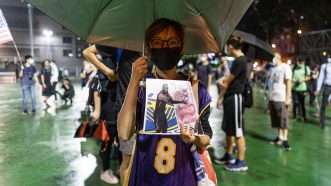
Defining a company with political branding is risky business.
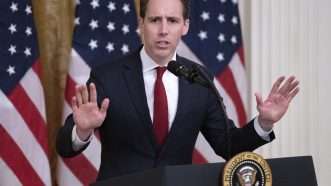
Plus: Court says scraping social media profiles is not hacking, and more...

Defining terms is tricky, particularly when governments with bad track records on privacy want to call the shots.
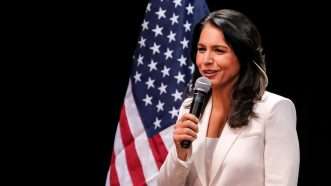
The Reason Roundtable analyzes an establishment smear against a foreign policy heretic, and laments the bipartisan panic against online speech.
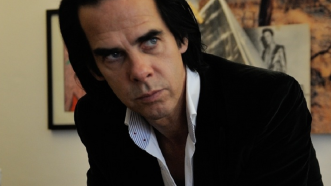
"Antifa and the Far Right," he adds, are "good for nothing."
"Petitioner had absolutely no prior notice that either his mental health or the safe handling subsection would be at issue during the hearing before the trial court."

For once, the Trump administration is on the right side of a debate with Congress over trade.

A change in Tennessee’s definition of a firearm allows for felons to own a gun provided it was manufactured before 1899.


New from Reason: a look into what Javier Milei has accomplished and what it will take to make the most of Argentina’s window for real change. Out now for subscribers.