
Amicus Brief as to § 230(c)(1) in Gonzalez v. Google
(Note that this case is about immunity when Internet platforms provide access to material, not the separate question about immunity when Internet platforms block access to material.)

(Note that this case is about immunity when Internet platforms provide access to material, not the separate question about immunity when Internet platforms block access to material.)
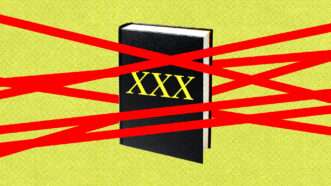
"If you don't like a book, don't read it. The First Amendment's guarantee of the freedom of speech and the right to access information has created a beautiful marketplace of ideas in our country," said one ACLU representative opposing the bill.
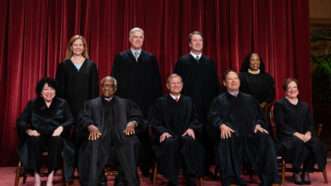
The Supreme Court takes up “true threats” and the First Amendment in Counterman v. Colorado.
The lawyer's "personal interest in avoiding the 'reputational harm' that she might suffer if the public were made aware of the 'very serious allegations here'" "cannot meet the 'weighty' standard for overriding the presumptions of open records and public access."

Plus: FOSTA in court, challenges to Illinois' assault weapon ban, and more...

Join Reason on YouTube and Facebook on Thursday at 1 p.m. ET for a discussion of the Facebook Files with Robby Soave.

Throughout the pandemic, the CDC was in constant contact with Facebook, vetting what users were allowed to say on the social media site.

Secret internal Facebook emails reveal the feds' campaign to pressure social media companies into banning COVID "misinformation."

"Hamline subjected López Prater to the foregoing adverse actions because . . . she did not conform her conduct to the specific beliefs of a Muslim sect," the lawsuit states.

The 2018 law criminalizes websites that "promote or facilitate" prostitution. Two of three judges on the panel pushed back against government claims that this doesn't criminalize speech.
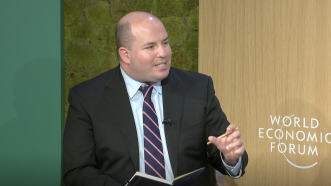
At the World Economic Forum, Brian Stelter and panelists discuss why everything is Facebook's fault.

A Supreme Court case illustrates the potential costs of making it easier to sue social media platforms over user-generated content.

Tech firm operators may face criminal charges if children who use their platforms encounter too much “harmful content.”
A broader perspective on the Hamline controversy.
There's a good reason why algorithms are still protected by Section 230.
but the Michigan Court of Appeals reverses.

"This anti-free speech, anti-intellectual, anti-common-sense action deserves all the scorn it can get," says Roy Thomas, former editor in chief of Marvel Comics.

Plus: Lab-grown meat, the allure of raw milk, and more...

Researchers: Moscow’s social media meddling had little impact on the 2016 election.
The proposed fellow would have been Kenneth Roth, former head of Human Rights Watch, and apparently a highly prominent expert on the subject.
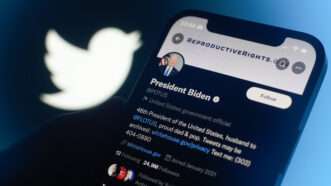
Plus: House votes to rescind IRS funding, the FDA is putting unnecessary strings on pharmacies filling abortion pill prescriptions, and more...

The internal company documents offer a behind-the-scenes glimpse at how the federal agencies distorted the public debate on one of the world's largest social media platforms.

New mechanisms to threaten liberty are brought to bear on those who need the government's permission to do their jobs.
This is in Missouri's and Louisiana's suit alleging various government officials "are infringing the First Amendment by coercing social media platforms to censor speech."
The same would apply for other speech or political association, because "political affiliation [was] an appropriate requirement for the effective performance of the public office involved."

"If Hamline won't listen to free speech advocates or faculty across the country, they'll have to listen to their accreditor," said FIRE attorney Alex Morey, who filed the complaint.

"When it comes to problems happening in America, [the NBA is] the first organization saying, 'This is wrong,'" says the former professional basketball player. But then they're silent for victims of torture.

Plus: Would Adam Smith be a libertarian if he were alive today?
We'll give you an answer within 14 days, and we can publish them within several weeks, if you'd like.
An interesting illustration of the defamation per se / per quod distinction, recognized in some states.

The company's broad definition of "misleading information" and its deference to authority invited censorship by proxy.

People in power lean on private businesses to impose authoritarian policies forbidden to the government.
Celebrate your independence with a subscription to Reason magazine, your most trusted source of honest, insightful news and analysis.




